
Back to Exercises
Stretch
Seated Hamstring Stretch
The seated hamstring stretch focuses on lengthening the muscles at the back of your thigh without putting unnecessary strain on your spine.

How to Perform
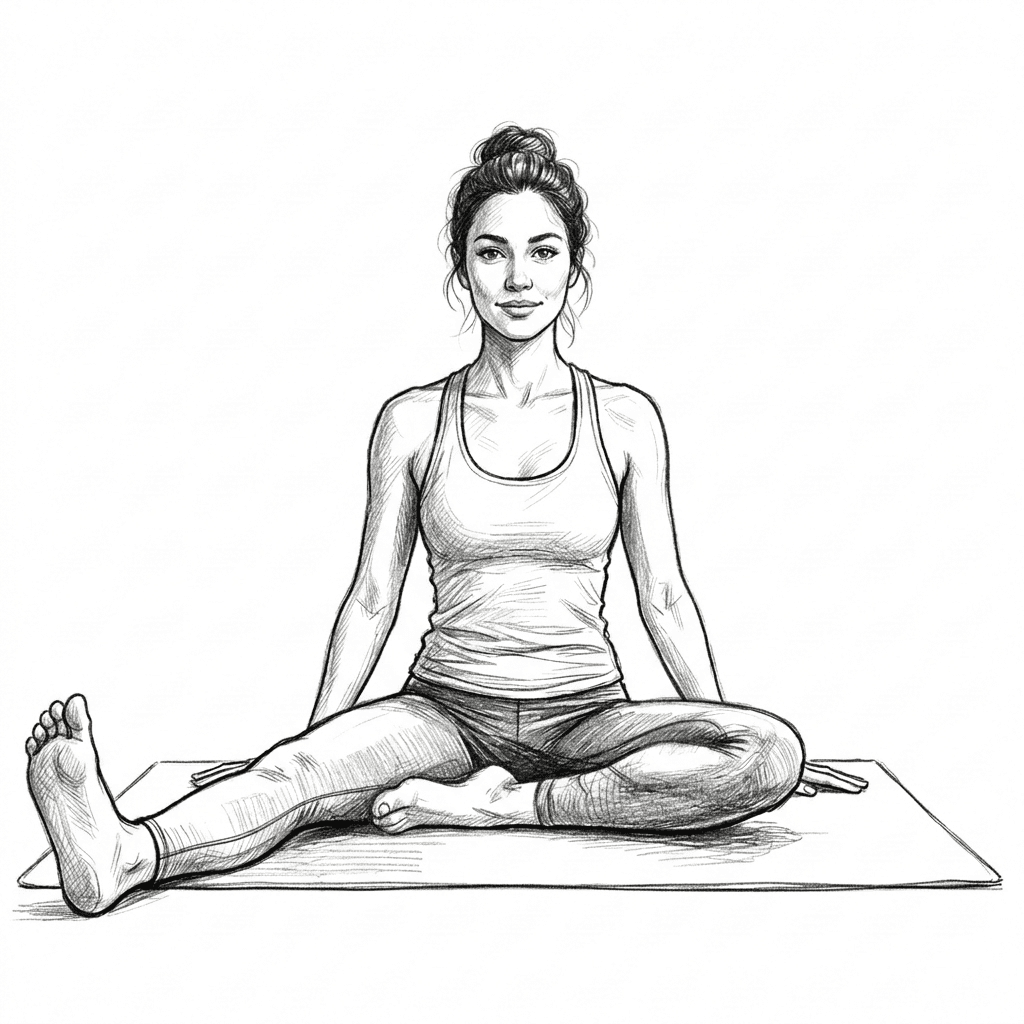 1
1Sit on the floor. Stretch one leg out straight and tuck the other foot against your thigh.
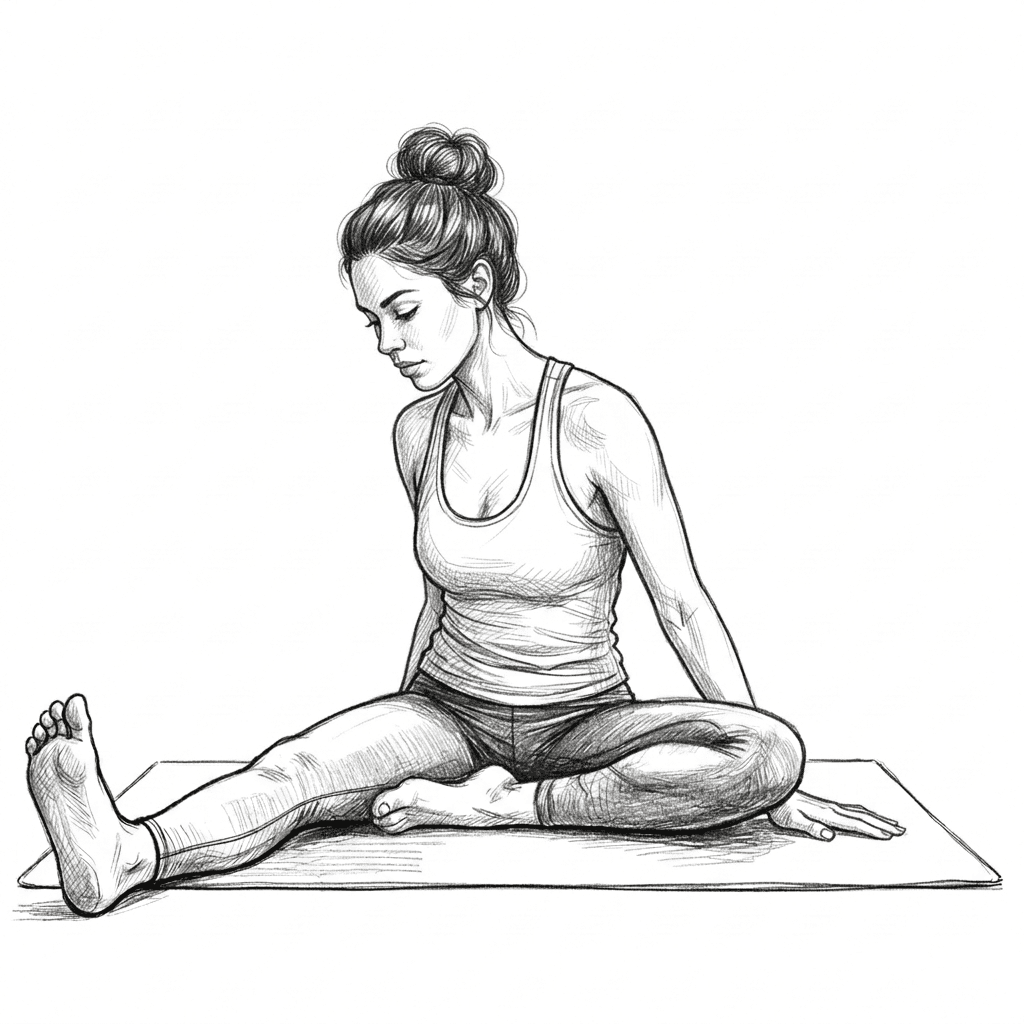 2
2Lean forward slowly from your hips. Keep your back flat, don't hunch over.
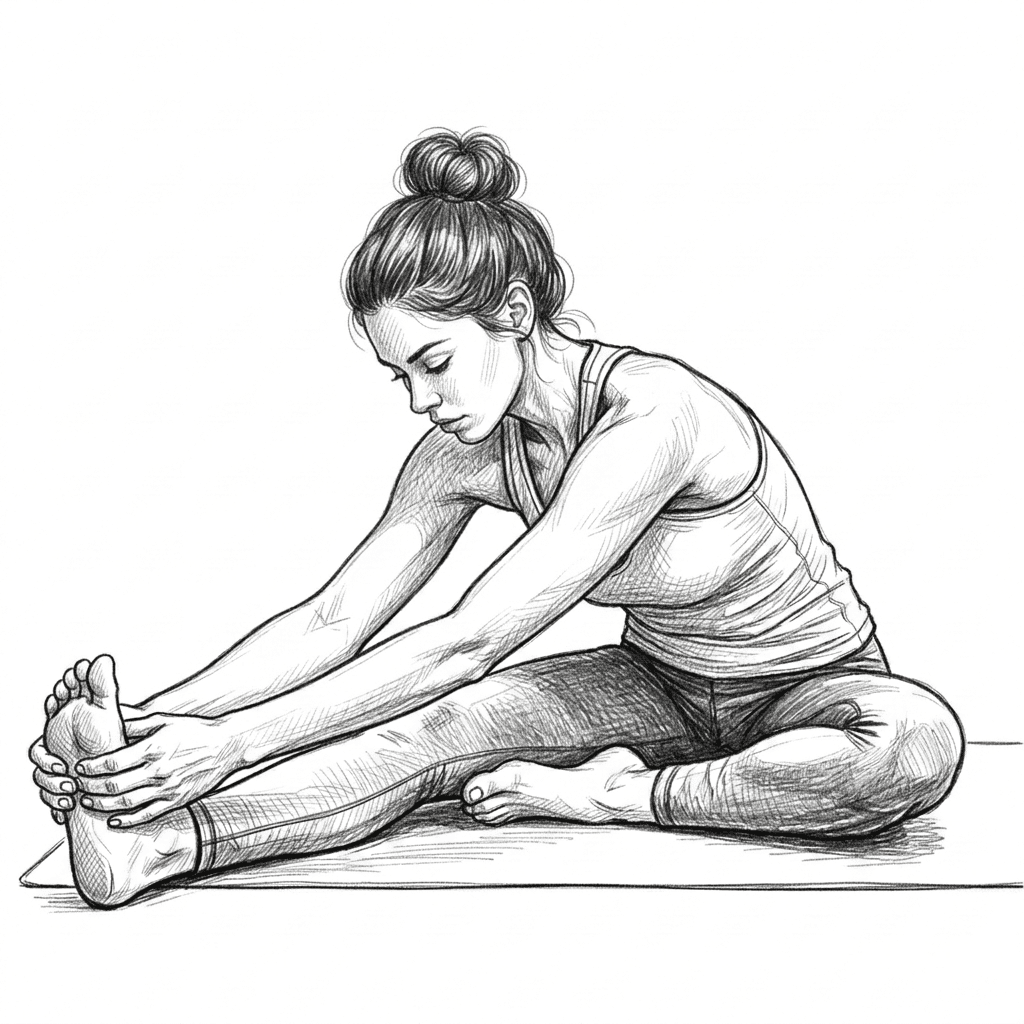 3⏱ Hold 10s
Reach for your ankle or toes until you feel a stretch in the back of your thigh. Stay there for 10 seconds while taking deep breaths. Then switch legs.
🔁 Repeat this exercise 5 times
Muscles Targeted
Biceps Femoris
The outermost hamstring muscle.
Semitendinosus & Semimembranosus
The inner hamstring muscles.
Gastrocnemius
The upper part of your calf (if your toes are pointed up).
Erector Spinae
The muscles along your spine that help maintain your posture during the reach.
Helpful For
Sciatica
Relieving pressure on the sciatic nerve.
Lumbar Spondylosis
Managing stiffness associated with age related wear in the lower back.
Patellofemoral Pain Syndrome
Helping with knee alignment and "Runner's Knee."
Pelvic Tilt Issues
Correcting an anterior or posterior pelvic tilt.
Benefits
- Reduces Lower Back Pain: Tight hamstrings pull on the pelvis, which can stress the lower spine.
- Improved Posture: Helps align the hips and pelvis correctly.
- Injury Prevention: Decreases the risk of muscle strains during physical activity.
- Better Mobility: Enhances your range of motion for daily tasks like walking or climbing stairs.
Precautions
- Use smooth, steady movements. Bouncing can cause micro-tears in the muscle.
- If you feel a sharp "nerve" pain behind the knee, keep a very slight bend in the joint.
- Avoid rounding your spine to reach your toes, the goal is to move from the pelvis.
- Never hold your breath. Exhale as you deepen the stretch.
Helps With

ACL Injury
An Anterior Cruciate Ligament (ACL) injury often described as a tear or sprain.It is one of the most common and debilitating knee injuries.

Sciatica
Sciatica is a condition affecting the lower back, characterized by pain that radiates along the path of the sciatic nerve.

Osteoarthritis (OA) of the Knee
Osteoarthritis of the knee is the most common form of arthritis, caused by gradual wear and degeneration of the cartilage that cushions the knee joint. It is a leading cause of chronic joint pain and disability, particularly in older adults.
Related Articles


Need Professional Help?
Book a consultation to get personalized treatment advice for your condition.
Book on Instagram