
Following an ACL injury, the most common question is: "Do I need surgery?" we believe in providing clarity and expert guidance through every step of your recovery. In Part 2 of our ACL series, we explore the treatment options and the physiotherapy journey required to get you back to the activities you love.
The Treatment Path: Surgery or Non-Surgical Management?
The decision to operate hinges on the severity of the tear, your age, and your activity goals.
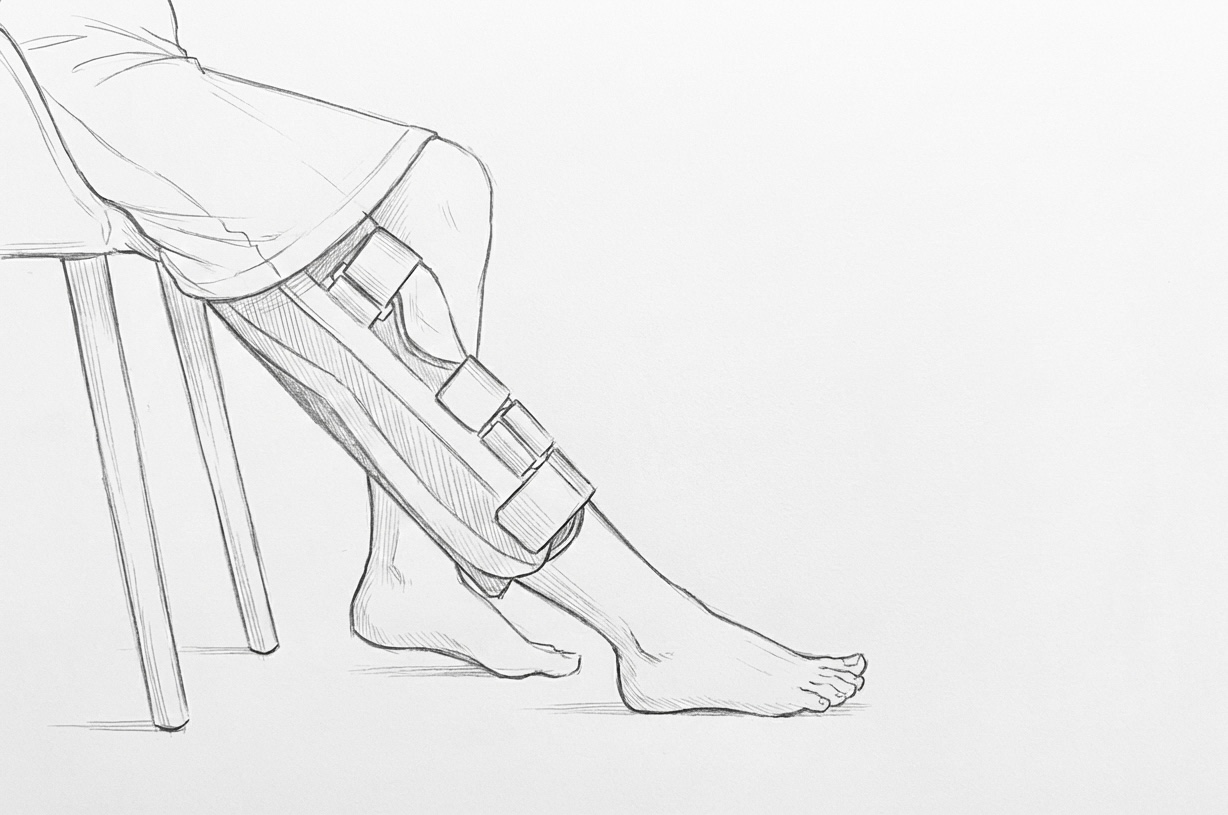
Non-Surgical Management: For Grade 1 and some Grade 2 tears, we focus on immobilization, rest, and a structured physiotherapy program to strengthen the surrounding muscles (quadriceps and hamstrings) to compensate for the ligament.
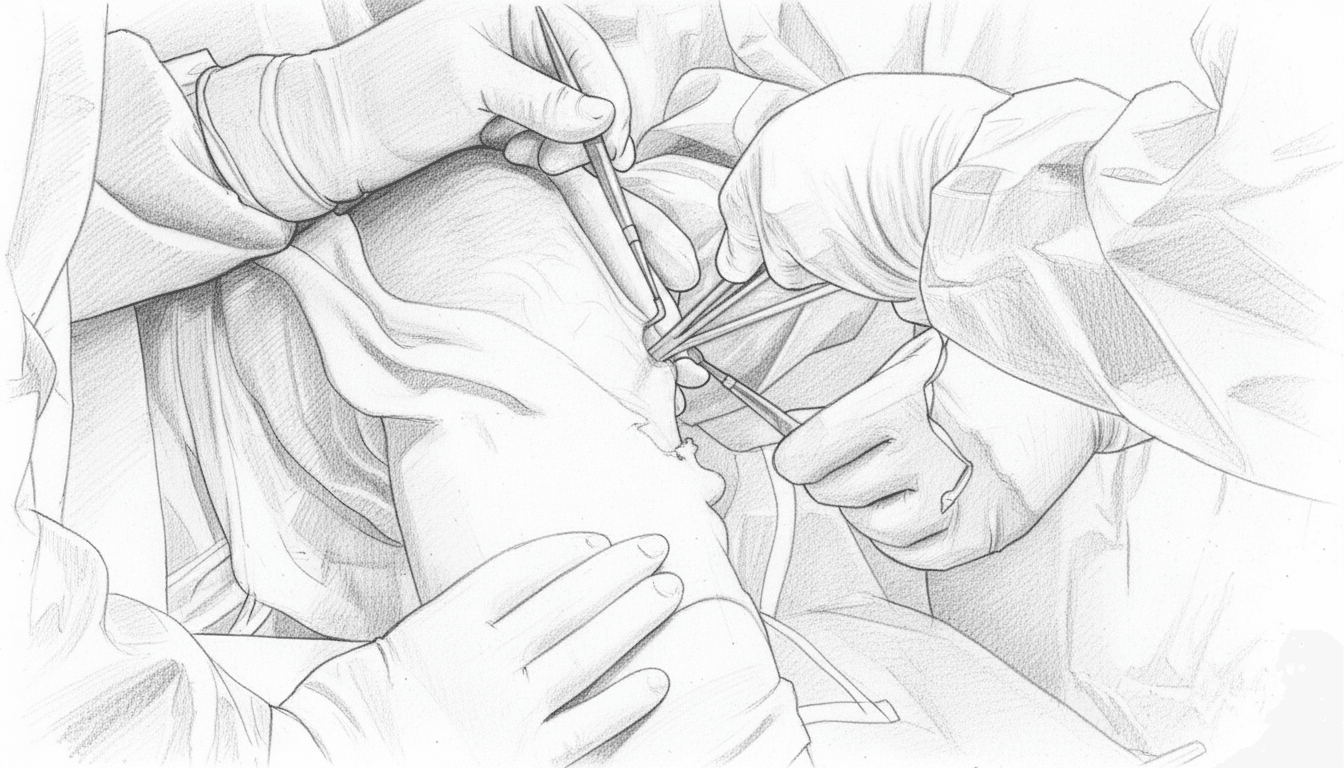
Surgical Intervention (ACL Reconstruction): For complete tears (Grade 3) or active athletes, surgery is often recommended. Since the ACL cannot heal itself, it is replaced with a graft (usually from your own hamstring or patellar tendon).
Your Physiotherapy Journey
Whether you choose surgery or a non surgical path, physiotherapy is the engine that drives your recovery. We break this journey into three distinct stages to ensure your knee is protected while it gets stronger.
1. Initial Healing & Protection (The Acute Phase)
The immediate goal is to calm the "alarm bells" in your body specifically pain and swelling. Instead of just "resting," we use the PEACE & LOVE protocol to guide your first few weeks.
PEACE (The first few days): We protect the area and elevate it, but we also avoid anti-inflammatory meds (like Ibuprofen) initially, as early inflammation is actually a signal for your body to start healing.
LOVE (The following weeks): We focus on "Load" and "Optimism." This means starting gentle, pain free movements and staying positive. We also introduce light cardio (Vascularisation) to get blood flowing, which acts like natural "fuel" for repairing damaged tissue.
2. Regaining Strength & Stability (Rehabilitation Phase)
Once the swelling goes down and you can move more freely, we shift from "protection" to "rebuilding."
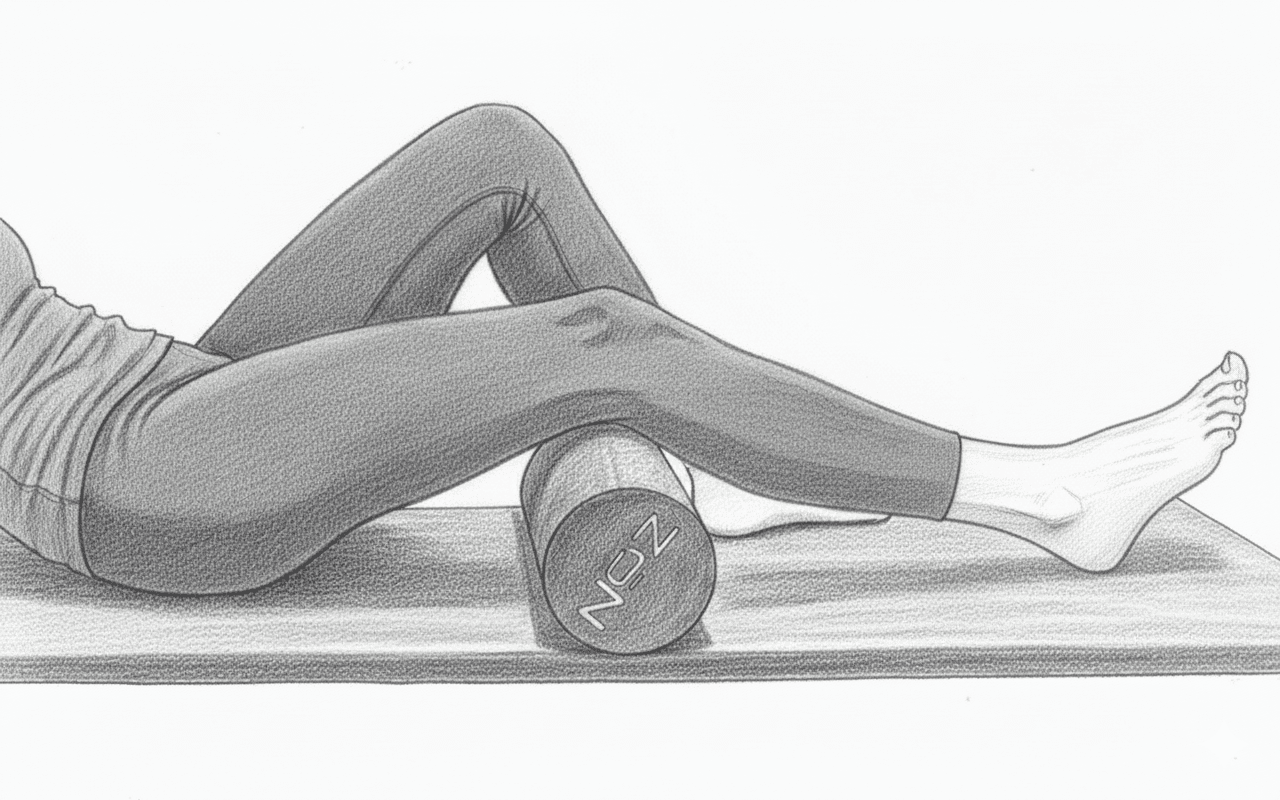
Progressive Strengthening: Your knee joint relies on the muscles around it to take the "hit" of your body weight. We focus on the quads and glutes your body’s built in shock absorbers.
Proprioception (Balance Training): This is about retraining your brain. After an injury, your brain "loses track" of exactly where your knee is in space. We use balance exercises to sharpen those signals, which prevents future trips, stumbles, or re injury.
3. Return to Sport (Advanced Rehabilitation)
The final stage is about proving your knee can handle the chaos of real world activity or sports.
Agility & Plyometrics: We move beyond basic lifting to explosive movements. This includes "plyometrics" (jumping and landing safely) and agility drills (changing direction quickly) to ensure your knee is stable during sudden movements.
Return-to-Sport Testing: Before you get the "all clear," we perform objective tests like measuring how far you can hop on one leg compared to the other. This takes the guesswork out of your recovery, ensuring you return to play only when your knee is truly ready.
Preventing Future Injuries
Recovery doesn't end when you return to the field. To reduce the risk of re-injury, we recommend:
Neuromuscular Training: Improving balance and landing mechanics.
Build Strength: Exercise regularly to keep the muscles around your knee healthy and firm.
Proper Warm-ups: Never skip the prep work before high-intensity activity.
When to Seek Professional Help
If you’ve experienced a knee injury and feel instability or heard that dreaded "pop," don’t delay. Early intervention can significantly impact your long-term knee health.