
Stretch
Seated Hamstring Stretch
The seated hamstring stretch focuses on lengthening the muscles at the back of your thigh without putting unnecessary strain on your spine.
Biceps FemorisSemitendinosus & Semimembranosus+2 more
An Anterior Cruciate Ligament (ACL) injury often described as a tear or sprain.It is one of the most common and debilitating knee injuries.

While ACL is frequently seen in athletes involved in high-impact sports like football, basketball, and soccer, it can occur in anyone, regardless of their activity level.
Understanding your injury is the first step toward recovery. Whether you are aiming to return to the field or simply want to move without pain, this guide covers everything from anatomy to advanced physiotherapy rehabilitation.
The knee joint is a complex hinge where the thigh bone (femur) meets the shin bone (tibia). The Anterior Cruciate Ligament (ACL) is one of the thickest and strongest bands of connective tissue in the knee. It runs diagonally in the middle of the joint, forming an "X" shape with the Posterior Cruciate Ligament (PCL).
Key Functions of the ACL:
Stabilization: It prevents the shin bone (tibia) from sliding too far forward in front of the thigh bone (femur).
Rotational Control: It provides critical stability during twisting or pivoting movements.
If you experience an ACL injury, you may notice the following signs immediately
A loud popping sound or sensation from the knee at the moment of injury.
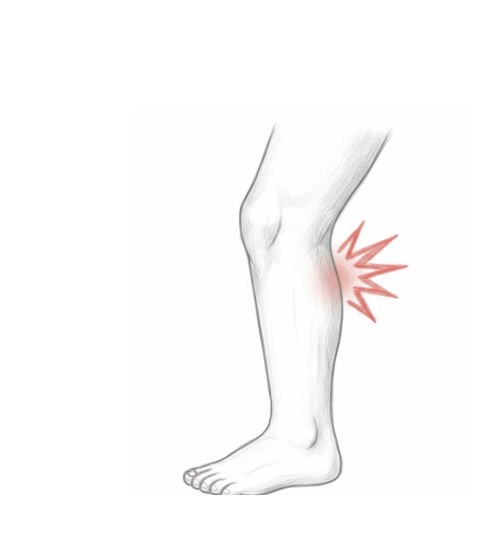
Intense pain, especially when trying to bear weight.
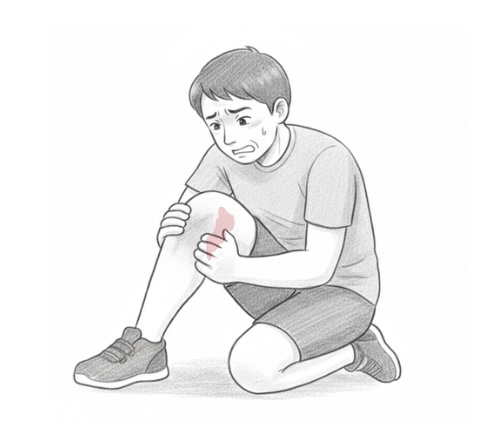
Rapid onset of swelling within hours of the injury.
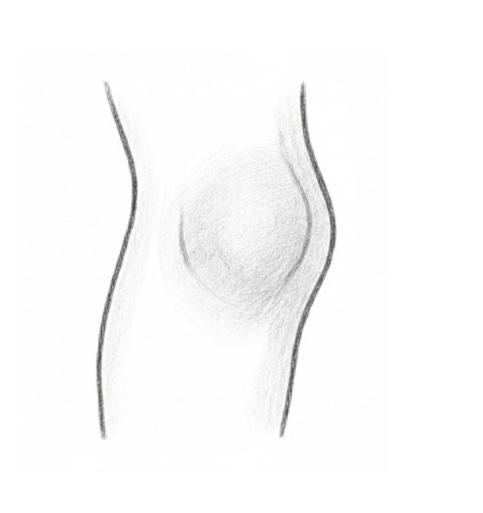
Inability to fully straighten (extend) or bend the knee.
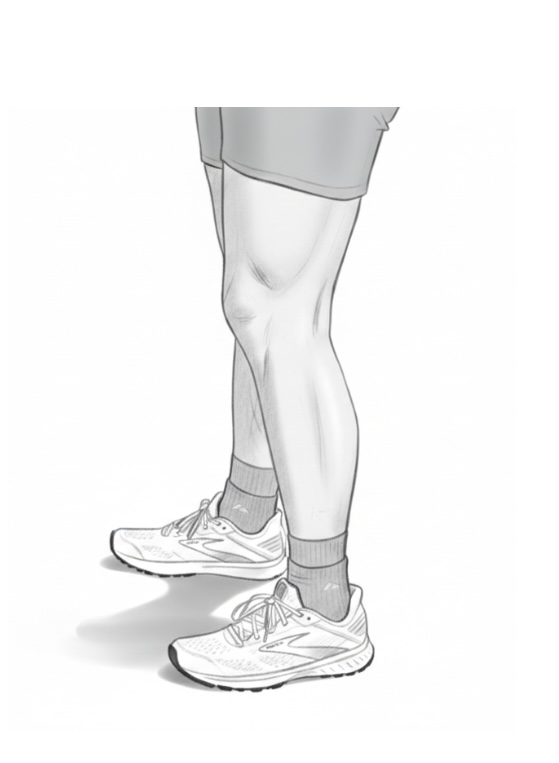
A feeling that the knee is giving way or buckling under your weight.
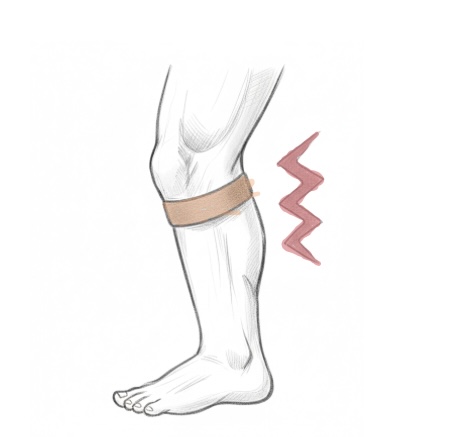
Contrary to popular belief, you do not need to take a heavy hit or have a collision to rupture your ACL. In fact, most ACL injuries occur through non-contact mechanisms, often depending on how the body moves during dynamic activity.
Common Causes:
Sudden Direction Changes: Rapid cutting or twisting movements.
Sudden Deceleration: Stopping abruptly while running.
Pivoting: Rotating the body while the foot is firmly planted on the ground.
Awkward Landings: Landing from a jump with the knee caving inward (valgus collapse).
Direct Trauma: A direct blow to the knee or a collision, such as a tackle in football.
Certain factors may increase the likelihood of sustaining an ACL injury:
Gender: Females are statistically more prone to ACL injuries than males, potentially due to differences in neuromuscular control and hormonal influences.
Environment: Playing on synthetic turf or surfaces with high friction for prolonged periods.
Equipment: Improper footwear or sports equipment that does not provide adequate support.
Biomechanics: Faulty movement patterns, such as letting the knees collapse inward (valgus) during squats or landing
Osteoarthritis (OA): Depending on the severity of the injury and associated damage (eg: to the meniscus, there is a higher risk of developing osteoarthritis in the knee later in life.
While accidents happen, you can significantly reduce your risk of ACL injury by:
Strengthening: Focusing on the hips, hamstrings, and quadriceps.
Warm-ups: performing dynamic warm-ups prior to practice.
Movement Mechanics: Learning to jump, land, and stop with your knees aligned over your feet (avoiding inward collapse).
Equipment: Maintaining proper footwear and sports gear.
A proper diagnosis is essential to determine the severity of the injury and the best course of treatment.
Physical Examination
Your physiotherapist will compare the injured knee with the uninjured one, checking for swelling, tenderness, and range of motion.
Special Tests
Therapists use specific maneuvers to test the integrity of the ACL.
Lachman Test: Considered one of the most reliable tests. The therapist flexes your knee to 20–30 degrees and firmly pulls the tibia forward while stabilizing the thigh. A soft or mushy end-feel with excessive forward movement indicates a positive test.
Anterior Drawer Test: With the hip flexed to 45 degrees and the knee to 90 degrees, the therapist sits on your foot to stabilize it and pulls the tibia forward. If the tibia slides forward like a drawer without a firm stop, it suggests an ACL tear.
Pivot Shift Test: This tests rotational stability. The therapist lifts the leg, applies an inward force (valgus) and internal rotation, and flexes the knee. A clunk or shift indicates a positive test (subluxation).
Imaging
X-Ray: Used primarily to rule out bone fractures or signs of degeneration.
MRI (Magnetic Resonance Imaging): The gold standard for visualizing soft tissues. It confirms the ACL tear and checks for associated injuries to the meniscus or other ligaments.
Ultrasound: Uses sound waves to image soft tissue structures (though less common for deep ACL visualization compared to MRI).
Grading of ACL Injuries
Grade 1: The ligament is stretched but still intact. The joint remains stable.
Grade 2: The ligament is stretched to the point of becoming loose (partial tear).
Grade 3: A complete tear of the ligament. The joint is unstable. This is the most common type of ACL injury requiring significant intervention.
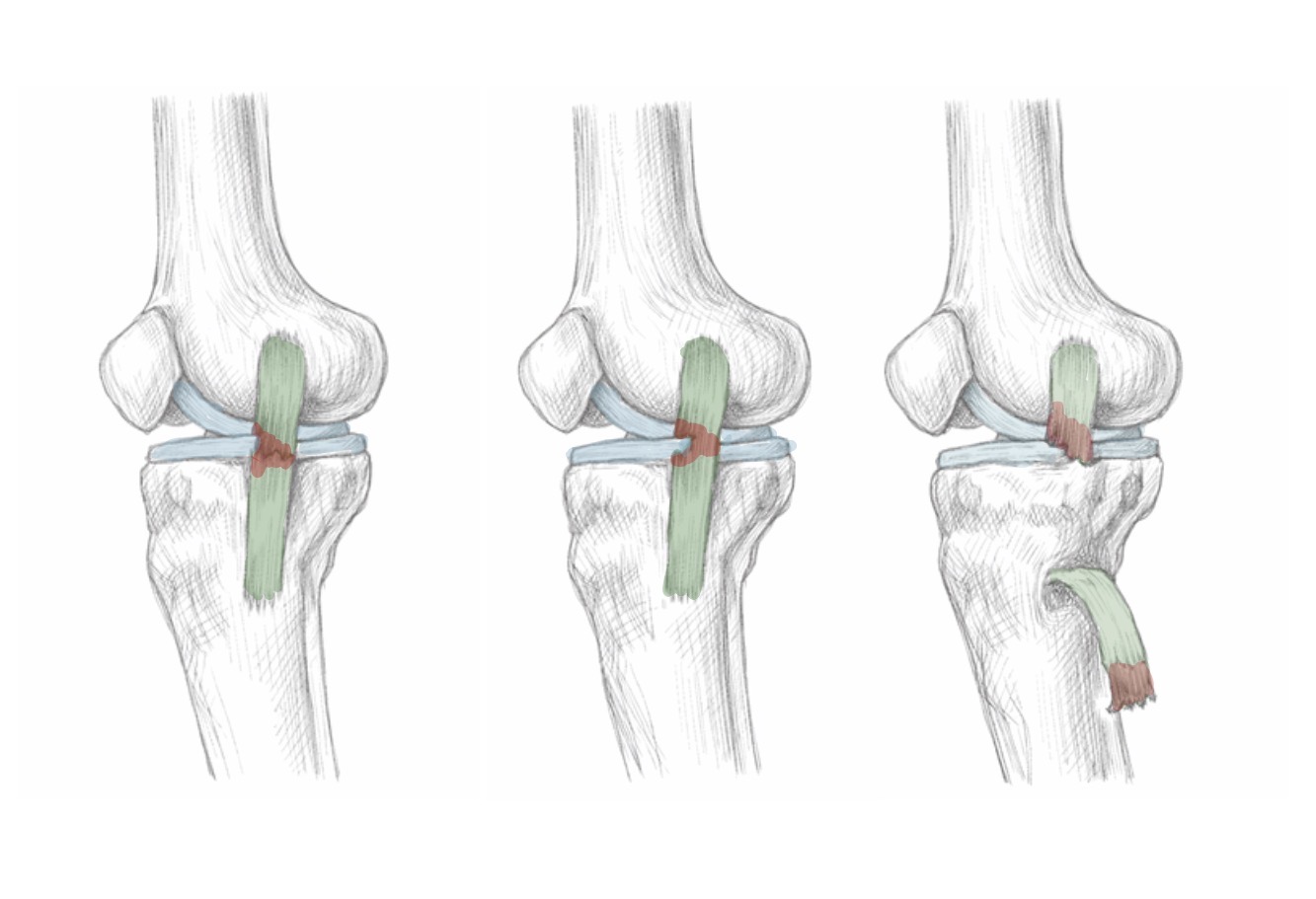
Treatment depends on the grade of injury, your activity level, and your personal goals.
Often suitable for Grade 1 and some Grade 2 injuries, or for individuals with lower activity demands.
PEACE & LOVE Protocol
Immediately After Injury: PEACE
Protection: Restrict movement for 1–3 days to minimize bleeding.
Elevation: Raise the limb above the heart to drain fluid.
Avoid Anti-inflammatories: Avoid meds and ice; inflammation aids repair.
Compression: Use tape or bandages to limit swelling.
Education: Avoid passive treatments; let your body heal naturally.
After the First Few Days: LOVE
Load: Let pain guide your gradual return to activity.
Optimism: Stay positive; the brain plays a key role in recovery.
Vascularisation: Choose pain-free cardio to increase blood flow.
Exercise: Restore mobility and strength early to prevent stiffness.
Focuses on reducing swelling and gradually restoring strength without surgery.Activity modification
Surgical Management
Common for Grade 3 tears, especially in active individuals or athletes who want to return to pivoting sports.
• Arthroscopic Reconstruction: The surgeon replaces the torn ACL with a graft. This graft is usually taken from your own body (autograft), such as the patellar tendon or hamstring tendon, or from a donor (allograft).
Whether you choose surgery or conservative management, physiotherapy is the cornerstone of recovery. Physiotherapy provide a tailor-made treatment plan based on your specific goals.
Patient Education
We ensure you understand your injury, the recovery timeline, and the milestones required to return to your activities safely.
Manual Therapy
Hands-on techniques including soft tissue release, joint mobilization, and stretching to improve flexibility, reduce pain, and restore full range of motion.
Pain Management
Use of modalities such as TENS (Transcutaneous Electrical Nerve Stimulation) and Ultrasound to manage pain and reduce localized swelling.
Strengthening Exercises
Rebuilding strength is vital to support the knee joint.
Early Stage: Quad sets (isometric contractions), Straight Leg Raises (SLR), Heel Slides, Passive Knee Extension.
Progressive Stage: Squats, Bridging, Lunges, and Hamstring curls.
Proprioception & Balance
These exercises help your brain reconnect with your knee, improving stability and awareness of the joint in space.
Single-leg stance
Star Excursion Balance Test (Star Balance)
Balance and reach exercises
Toe taps and Heel raises
Functional & Sport-Specific Training
Once baseline strength and motion are restored, we bridge the gap to performance.
Plyometrics: Jump, land, and stop mechanics training.
Agility Drills: Changing direction safely.
Return to Sport : Sport-specific movements to ensure you are ready for the demands of the game.
The seated hamstring stretch focuses on lengthening the muscles at the back of your thigh without putting unnecessary strain on your spine.
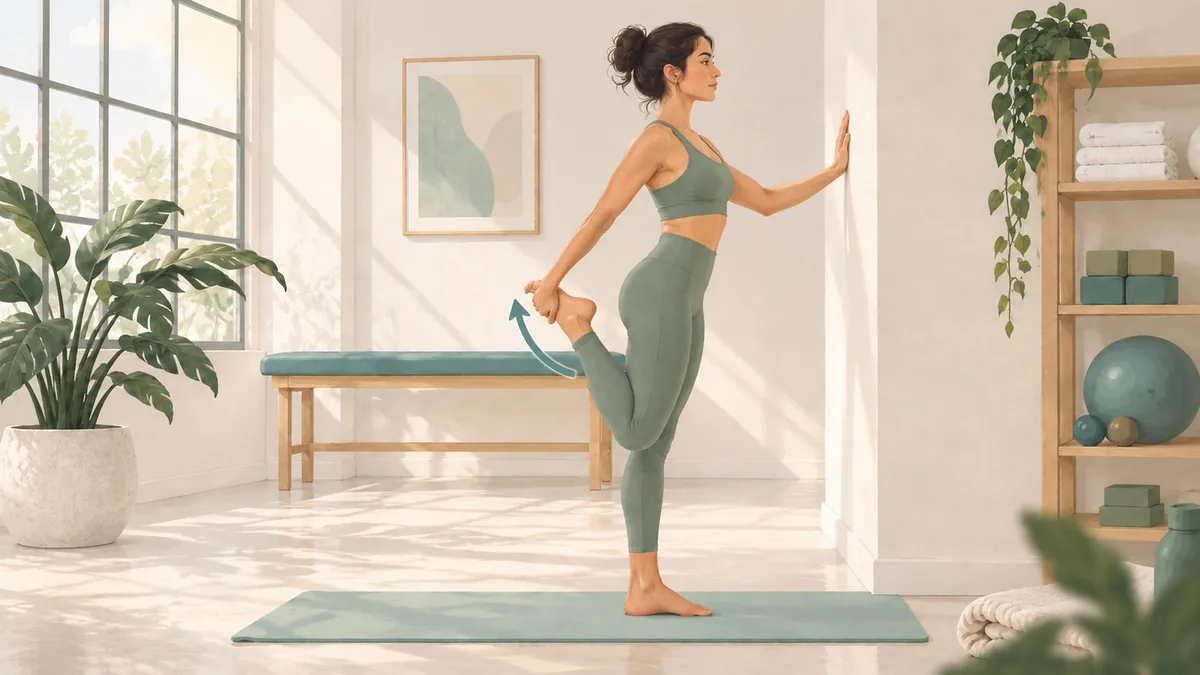
The standing quadriceps stretch targets the large muscles on the front of your thigh

This stretch focuses on the back of your lower leg using a wall for leverage and balance
Book a consultation to get personalized treatment advice for your condition.
Book on Instagram
