
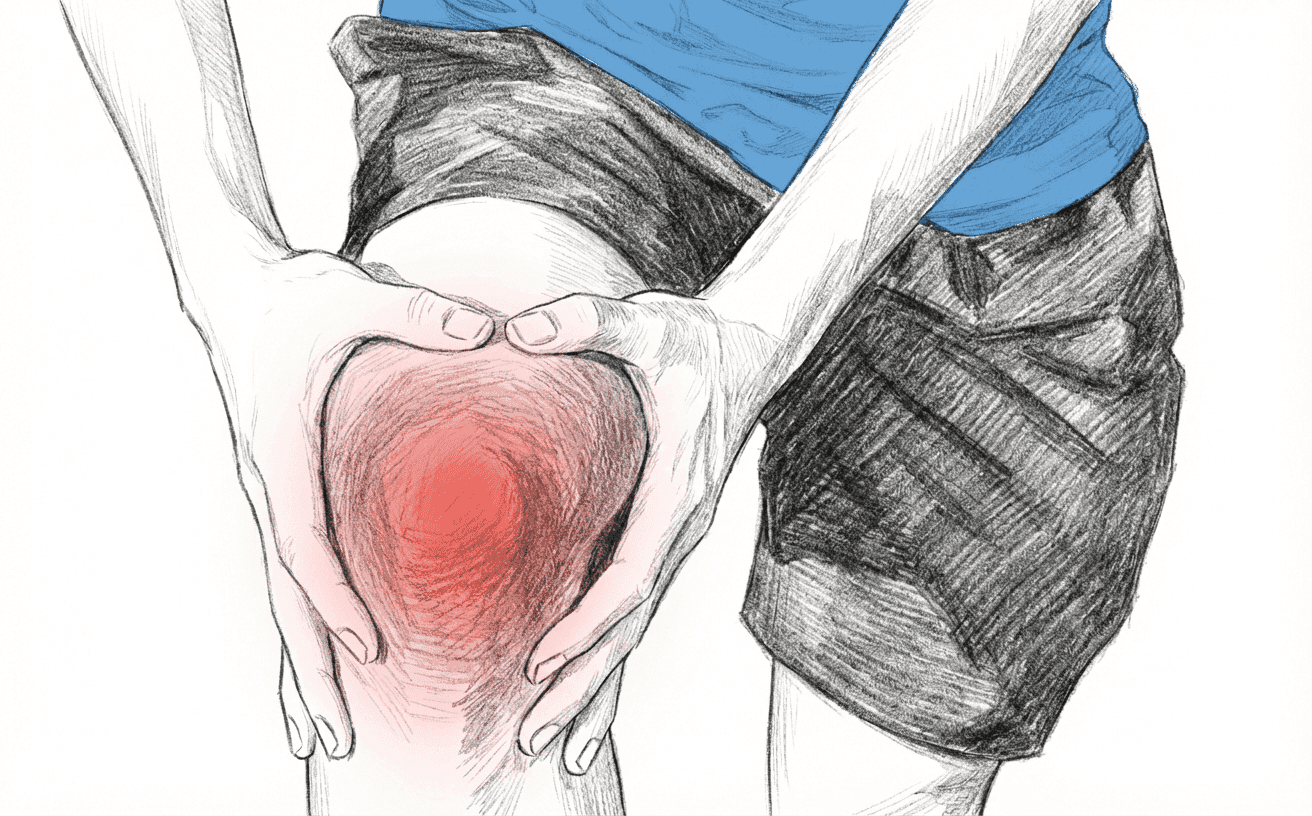
Imagine this: a sudden twist, a jarring stop, and then a distinct "pop" followed by immediate swelling and pain in your knee. You might feel unstable, struggle to climb stairs, or even walk normally.
If this sounds familiar, you're not alone. Many individuals experience this alarming sequence of events, and often, it points to a common yet significant knee injury: an Anterior Cruciate Ligament (ACL) tear.
Understanding Your Knee: What is the ACL?
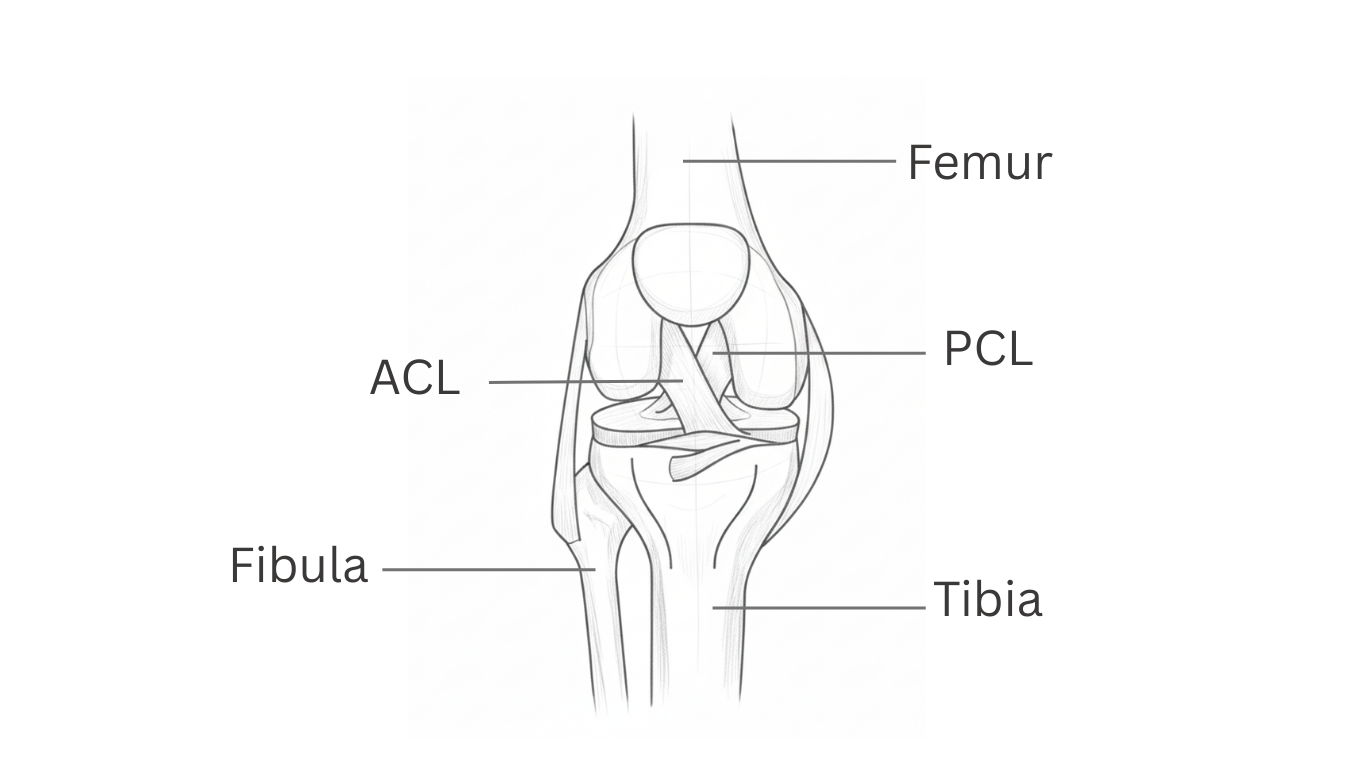
Your knee joint is a marvel of engineering. Central to its stability are four strong bands of tissue called ligaments. The Anterior Cruciate Ligament (ACL) is one of the most vital. It’s located deep within your knee, crossing diagonally from your thigh bone (femur) to your shin bone (tibia).
The primary functions of the ACL include:
Preventing excessive forward movement of the shin bone.
Limiting rotational movements of the knee.
Providing stability during sudden stops and changes in direction.
Common Causes of ACL Injuries
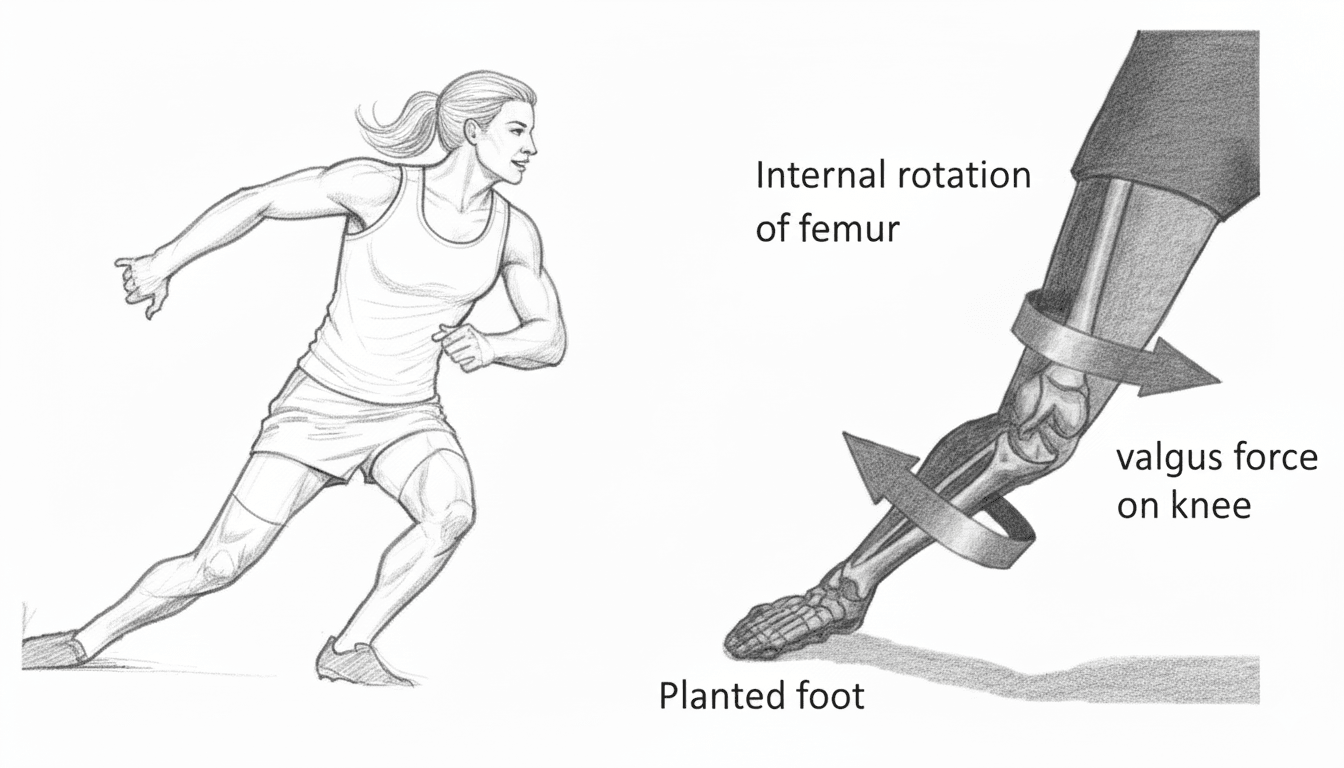
ACL tears often occur due to non-contact mechanisms involving sudden, forceful movements:
Sudden stopping or pivoting (common in football and basketball).
Awkward landings from a jump.
Direct impact to the knee (tackles or falls).
Hyperextension of the knee beyond its normal range.
Recognising the Signs: Symptoms to Watch For
While pain is a common indicator, it's important to remember that not all ACL tears feel the same. Look for these hallmark signs:
A "Popping" Sound: Feeling or hearing a distinct "pop" at the moment of injury.
Sudden Swelling: Rapid swelling within a few hours due to internal bleeding.
Instability: A feeling that your knee is "giving way" or might buckle.
Loss of Range of Motion: Difficulty fully bending or straightening the leg.
How Serious is it? The Grading System
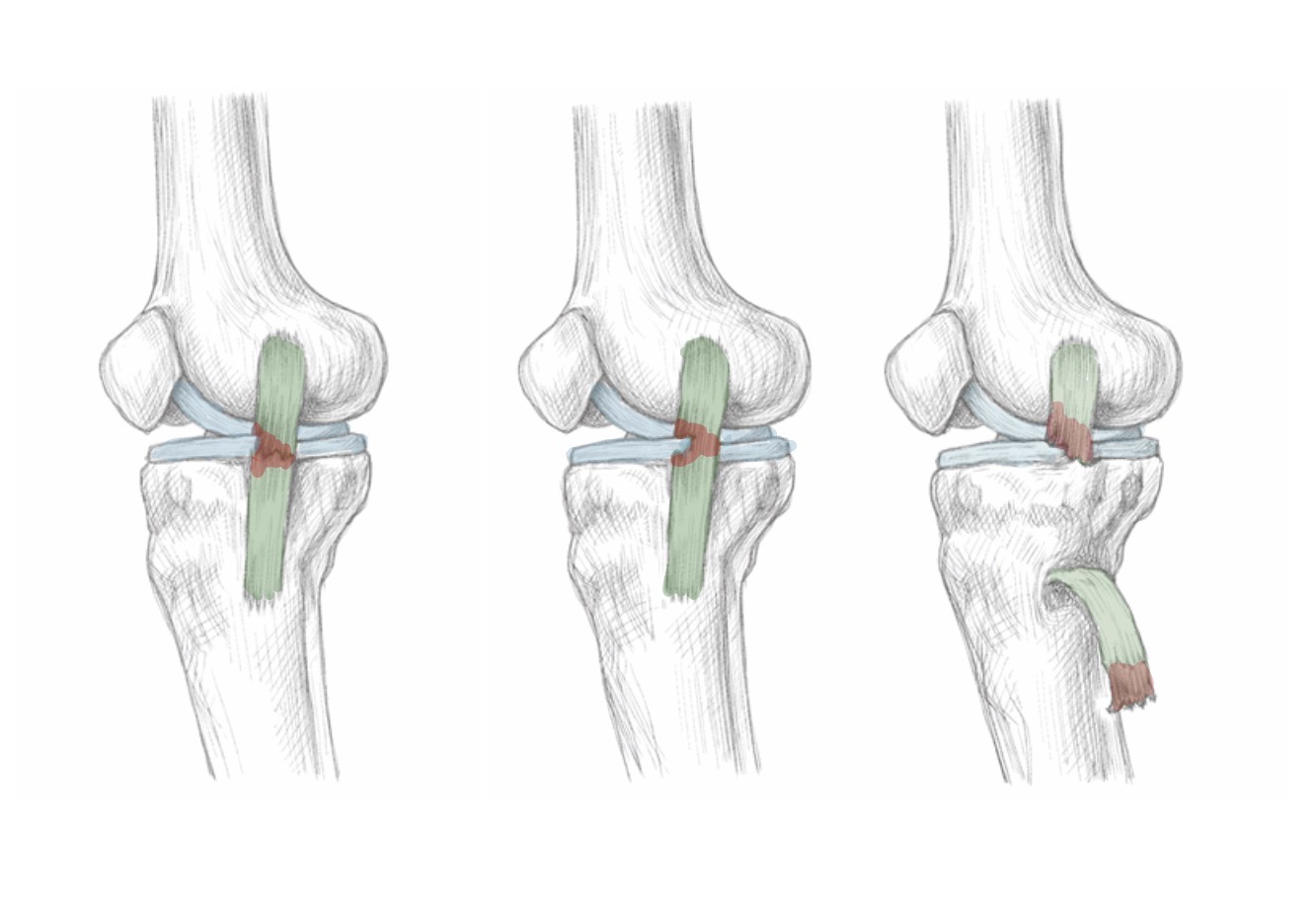
ACL tears are typically graded based on the extent of the damage:
Grade of Tear | Description | Typical Initial Approach |
Grade 1 (Mild) | Ligament is stretched but intact. Minor damage. | Conservative (Rest, Physio). |
Grade 2 (Partial) | Ligament is partially torn. Some instability. | Conservative or Surgery depending on activity. |
Grade 3 (Complete) | Ligament is torn into two pieces. Loss of stability. | Often surgical, especially for active individuals. |
Stay Tuned: In Part 2, we will explore the different treatment paths including surgical and non-surgical options and walk you through the roadmap to a successful recovery.