
Stretch
Single Knee to Chest stretch
The Single Knee-to-Chest stretch is a simple, floor-based movement designed to gently stretch the lower back, hips, and buttocks.
Erector SpinaeGluteus Maximus+1 more
Sciatica is a condition affecting the lower back, characterized by pain that radiates along the path of the sciatic nerve.

Sciatica primarily occurs when there is irritation, inflammation, or compression of the sciatic nerve.Unlike general back pain, sciatica is distinct in its symptom pattern. It often causes a burning and tingling sensation that originates in the lower back and travels down through the hips and buttocks and down the leg, sometimes reaching the feet. This pain commonly follows the specific course of the sciatic nerve.
The Sciatic Nerve
To understand sciatica, it is important to understand the structure affected. The sciatic nerve is the largest and longest nerve in the human body.
Origin: It originates from the base of the spine, formed by the combination of nerve roots L4 through S3.
Function: This nerve controls the muscles of the back of the knee and lower leg and provides sensation to the back of the thigh, part of the lower leg, and the sole of the foot.
Path: It runs from the lower back, through the hips and buttocks, and down each leg.
Symptoms of sciatica typically affect only one side of the body and follow the nerve's path from the lower back, through the back of the thigh and calf, down to the foot. The severity can range from mild discomfort to severe, debilitating pain.
Pain that travels from the lumbar spine to the buttock and down the back of the leg
Numbness, pins and needles,or an electric shock sensation in the lower back, legs, or feet
Reduced strength in the muscles of the lower back or legs
Pain often worsens with sudden movements such as coughing, sneezing, or prolonged sitting
Sciatica is not a diagnosis in itself, but rather a symptom of an underlying medical condition. It generally occurs when the nerve roots are irritated or compressed.
Slipped Disc (Herniated Disc): The most common cause, where the soft inner material of a spinal disc leaks out or bulges, pressing on the nerve root.
Spondylolisthesis: A condition where one vertebra slips forward over another, narrowing the space for the nerve.
Bone Spurs (Osteophytes): Overgrowth of bone on the vertebrae that can encroach on the nerve's space.
Spinal Stenosis: A narrowing of the spinal canal that puts pressure on the nerves traveling through the lower back.
Certain factors can increase the likelihood of developing sciatica:
Sedentary Lifestyle: prolonged periods of physical inactivity can weaken the muscles that support the back.
Prolonged Sitting: People with jobs or habits requiring long hours of sitting are more prone to sciatica compared to active individuals.
Obesity: Excess body weight increases the mechanical load and stress on the spine, potentially leading to nerve compression.
Ageing: Age-related changes in the spine, such as herniated discs and bone spurs, are common triggers.
Diabetes: This condition affects the way the body uses blood sugar, increasing the risk of nerve damage (neuropathy).
If left untreated, sciatica can potentially lead to more permanent conditions:
Loss of Sensation: Permanent numbness in the affected leg.
Foot Drop: Inability to lift the front part of the foot (dorsiflexion).
Cauda Equina Syndrome: indicated by loss of bowel or bladder control and loss of sensation in the saddle area (rectum, genitals). This requires immediate emergency medical attention.
Skin Discoloration: Changes in the skin appearance of the legs.
Sexual Dysfunction: Affects in the pleasure during intercourse.
Proper Lifting Technique
Incorrect lifting patterns place immense stress on the lower back, which can lead to disc herniation and nerve compression. Always lift with your legs, not your back, to protect the sciatic nerve from sudden injury.
Regular Exercise
Strengthening the core and back muscles is vital for spinal support. Low-impact activities like walking, swimming, or cycling help maintain a healthy spine without jarring the back, reducing the risk of nerve irritation.
Avoid Smoking
Nicotine restricts blood flow to spinal structures, accelerating disc degeneration. A degenerated disc is much more likely to bulge and press against the sciatic nerve
Maintain a Healthy Weight
Excess body weight increases the mechanical load on your spine. Maintaining a healthy weight reduces this stress, preventing the compression of the sciatic nerve roots.
A comprehensive assessment is required to confirm sciatica and identify its root cause.
Your physiotherapist or doctor will check your reflexes, muscle strength, and gait (walking) patterns to identify nerve deficits.
SLR Test (Straight Leg Raise): This is a primary orthopaedic test for sciatica. While the patient lies flat (supine), the examiner lifts the leg while keeping the knee extended. The test is positive if the patient experiences pain or tingling radiating down the leg.
X-Ray: Used to visualize bone structures and rule out fractures or bone spurs.
MRI (Magnetic Resonance Imaging): Provides detailed images of soft tissues, showing the spinal cord, nerve roots, and herniated discs clearly.
CT Scan: Often used with a contrast dye to visualize soft tissues and spinal structures.
Electromyography (EMG): A test that measures the electrical impulses produced by nerves and the response of muscles. It helps confirm nerve compression and assess the severity of the injury.
This is the first line of defence, especially for acute sciatica.
Medication: Use of NSAIDs (Non-Steroidal Anti-Inflammatory Drugs) and muscle relaxants to manage pain and inflammation.
Thermotherapy: Application of cold packs (to reduce inflammation) or heat (to relax muscles).
Activity Modification: Avoiding heavy lifting or prolonged sitting to prevent further irritation.
Surgery is typically considered only when conservative methods fail or if there is significant neurological deficit (eg: loss of bowel/bladder control).
Discectomy: Removal of the portion of the herniated disc pressing on the nerve.
Laminectomy: Removal of the lamina (part of the vertebral bone) to create more space for the nerve.
Physiotherapy is crucial for recovery and prevention of recurrence. The main focus is on relieving pressure on the nerve and strengthening the supporting musculature.
Manual therapy techniques, including joint mobilization and soft tissue mobilization, are used to improve spinal mobility and reduce the load on the sciatic nerve.
Thermotherapy: Heat therapy assists in reducing muscle tightness and swelling, while cold therapy helps manage acute inflammation.
Muscle Stimulation (TENS/NMES): Uses electrical currents to stimulate peripheral motor nerves, providing pain relief and improving muscle contraction.
A tailored exercise program helps improve flexibility and spinal stability.
Beneficial Stretches (Flexibility):
Piriformis Stretch: Targets the deep buttock muscle that often impinges the sciatic nerve.
Hamstring Stretch: Loosens the muscles running down the back of the thigh.
Knee to Chest Stretch: Gently decompresses the lower back.
Cobra Stretch (Extension): Helpful for certain disc-related issues to centralize pain.
Strengthening Exercises:
Glute Bridges: Strengthens the posterior chain (glutes and hamstrings) to support the pelvis.
Cat and Camel: Improves spinal mobility and core control.
Bird Dog Exercise: Enhances core stability and balance.
Planks: builds deep core strength (transversus abdominis) to support the lumbar spine.
The Single Knee-to-Chest stretch is a simple, floor-based movement designed to gently stretch the lower back, hips, and buttocks.

The seated hamstring stretch focuses on lengthening the muscles at the back of your thigh without putting unnecessary strain on your spine.
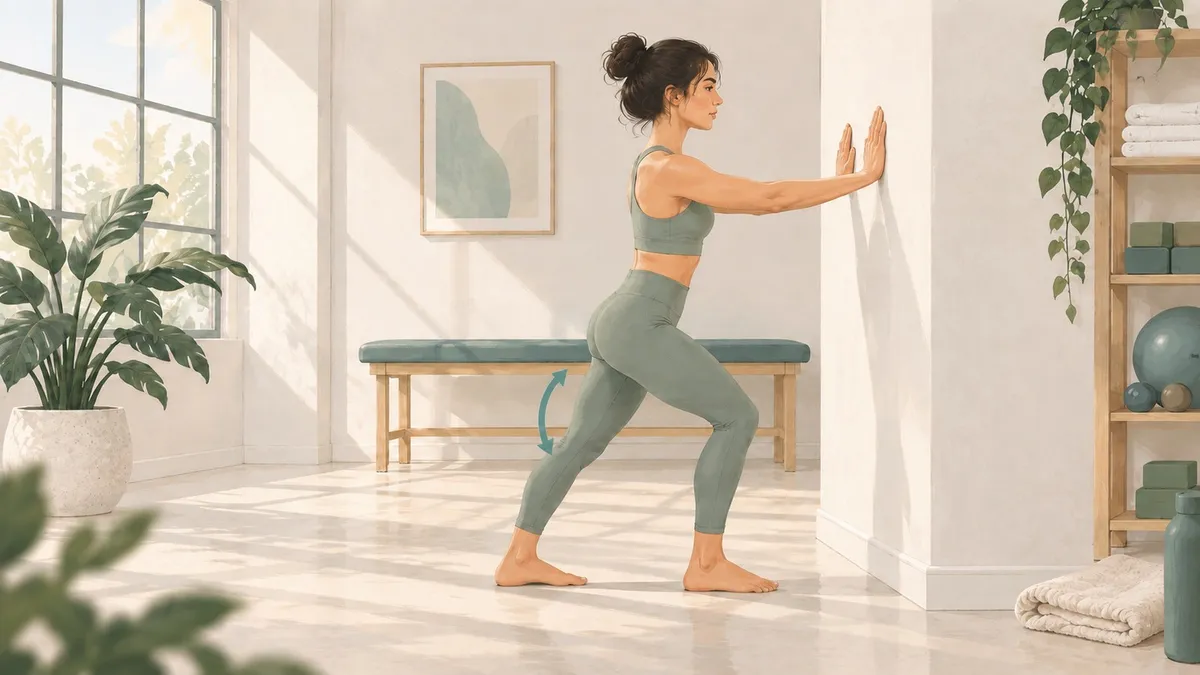
Unlike a standard calf stretch, the soleus can only be isolated when your knee is bent. This unlatches the larger gastrocnemius muscle, allowing the stretch to reach the deeper soleus.
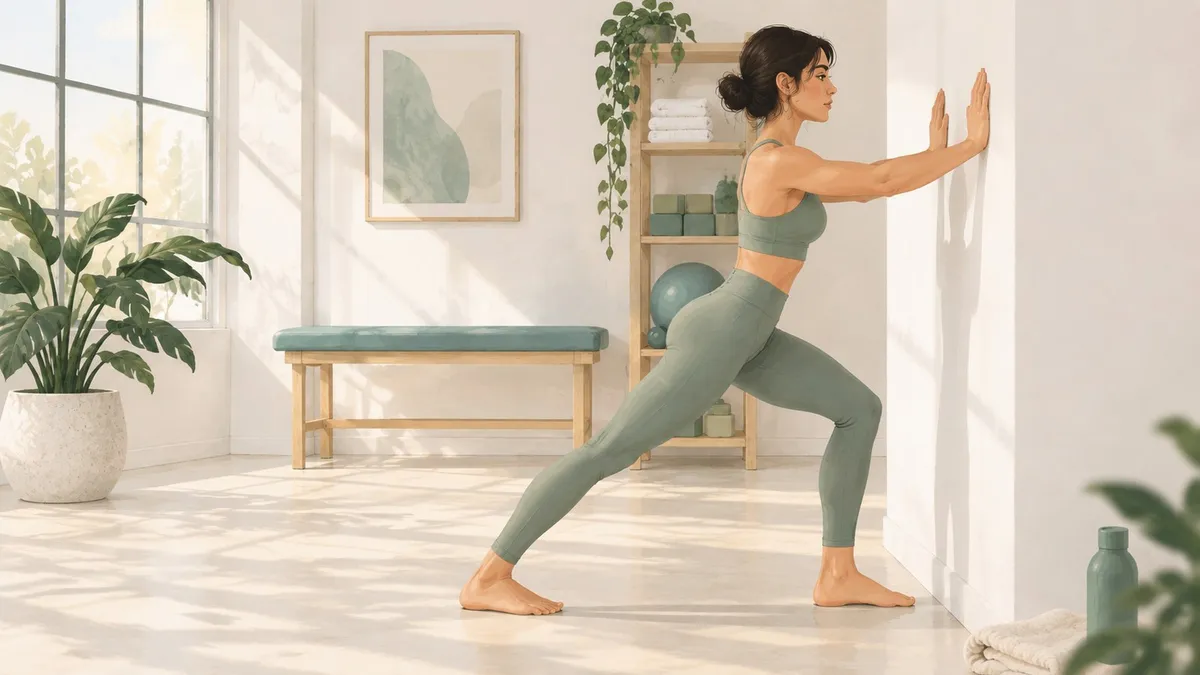
This stretch focuses on the back of your lower leg using a wall for leverage and balance
Book a consultation to get personalized treatment advice for your condition.
Book on Instagram

