Many women experience pelvic pressure or bladder leakage during pregnancy. While common, these issues don't have to be 'just part of being pregnant. Pelvic floor rehabilitation is key for a comfortable pregnancy and smoother recovery.
Think of your pregnancy as a marathon. No athlete would show up to a 26.2-mile race without training and expect their body to perform and recover optimally. Your pregnancy is a 40-week physical journey that requires active preparation. Pelvic floor rehabilitation is not just a postpartum solution, it is a vital tool to help you thrive from the first trimester through delivery and beyond.
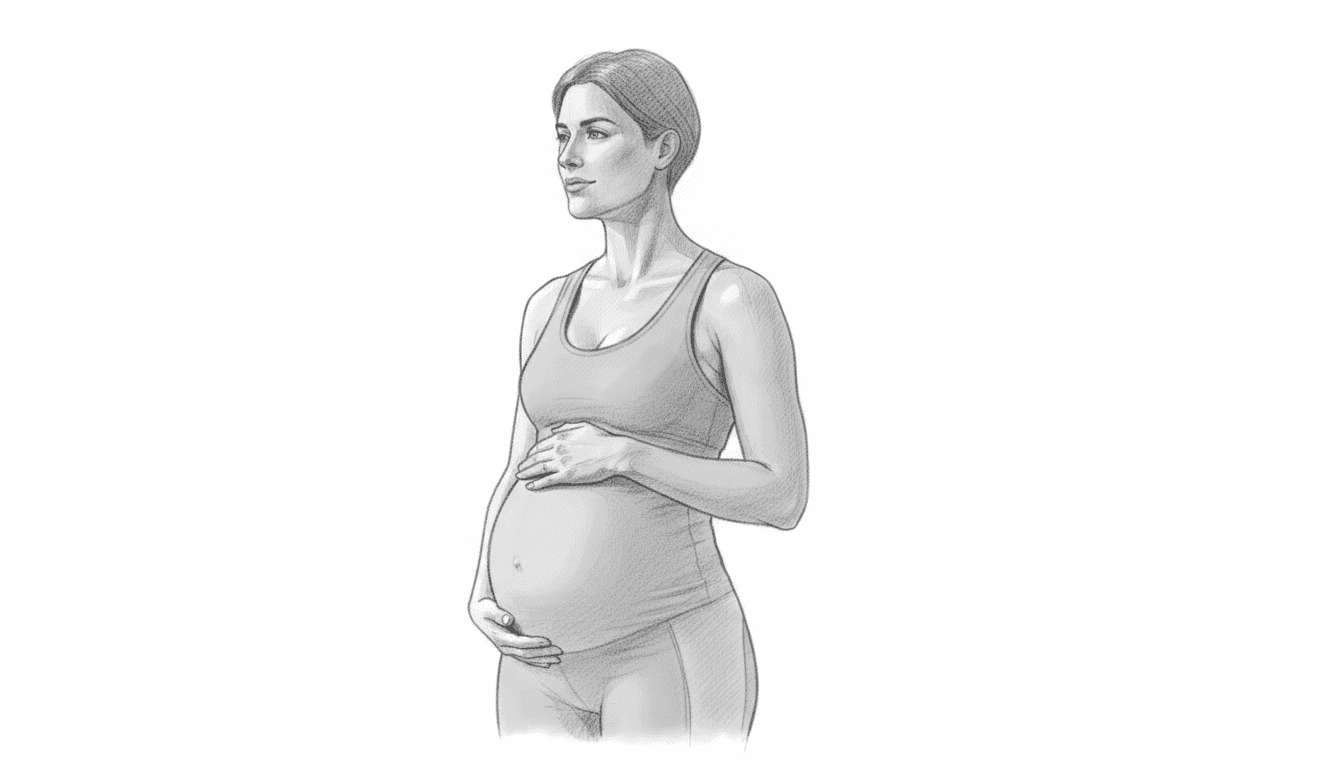
1. Your Pelvic Floor is a Muscular Hammock Under Pressure
I want you to visualize your pelvic floor as a muscular hammock. In a non-pregnant state, this hammock provides essential support for your bladder, uterus, and bowel. However, as you progress through your pregnancy, the demands on this structure increase exponentially.
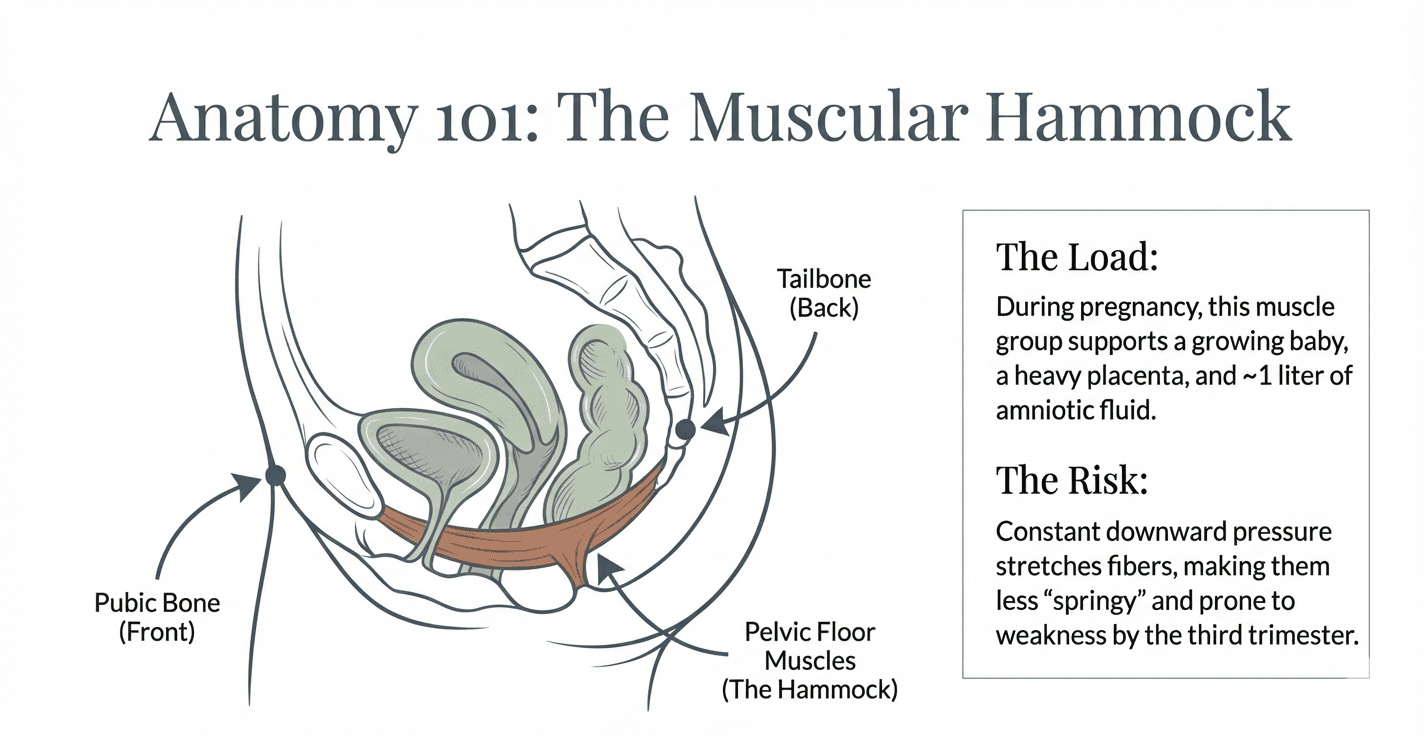
By your third trimester, that hammock isn’t just supporting your organs, it is carrying the weight of a growing baby, a heavy placenta, and approximately one liter of amniotic fluid. This constant downward pressure stretches the muscle fibers, often beyond their usual capacity, making them less springy.
If you start to feel symptoms like leaking or heaviness, I want you to shift your mindset. As we say at Heal and Move, we don’t believe in just dealing with it.Consider this perspective,
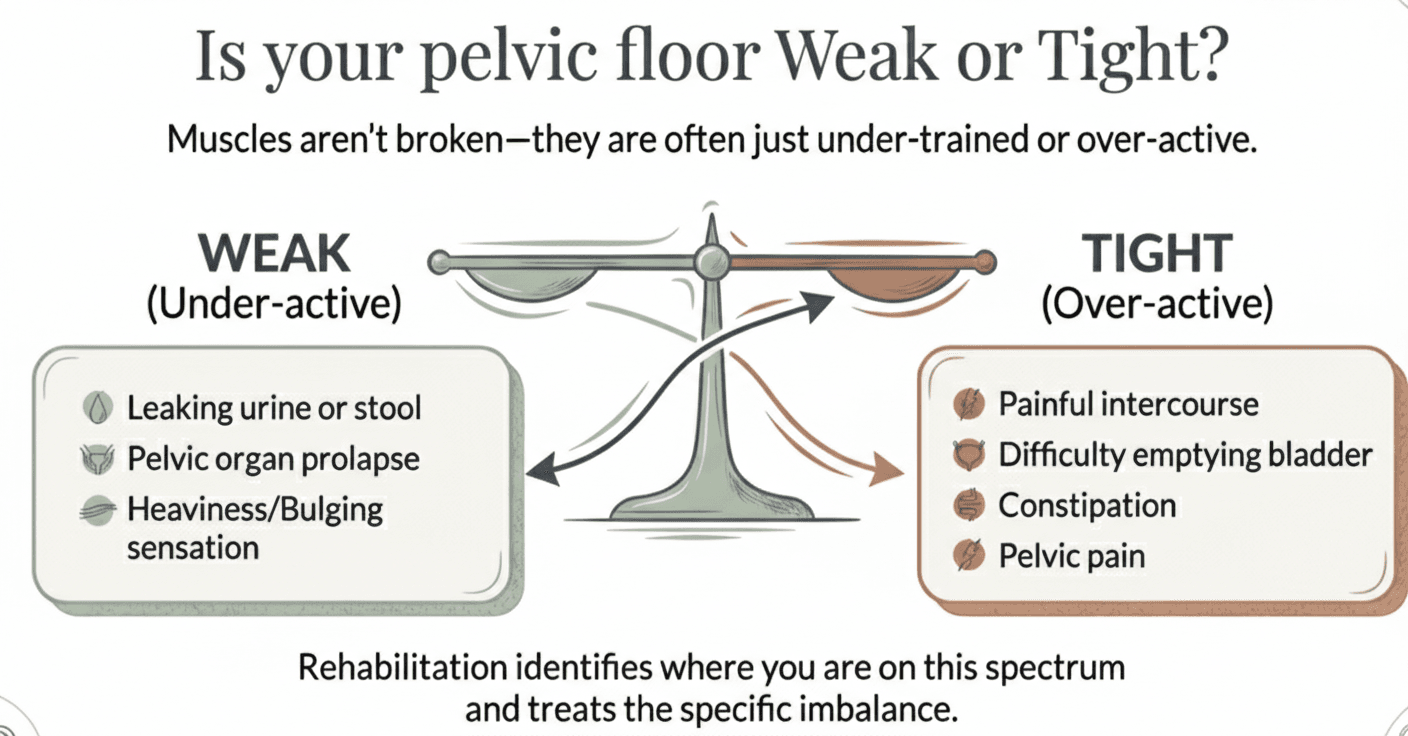
“If your pelvic floor muscles have become weak or stretched, they aren't broken they are just under-trained for the new demands of your body.”
Viewing your pelvic floor as under-trained rather than damaged empowers you to take action through targeted strengthening and support.
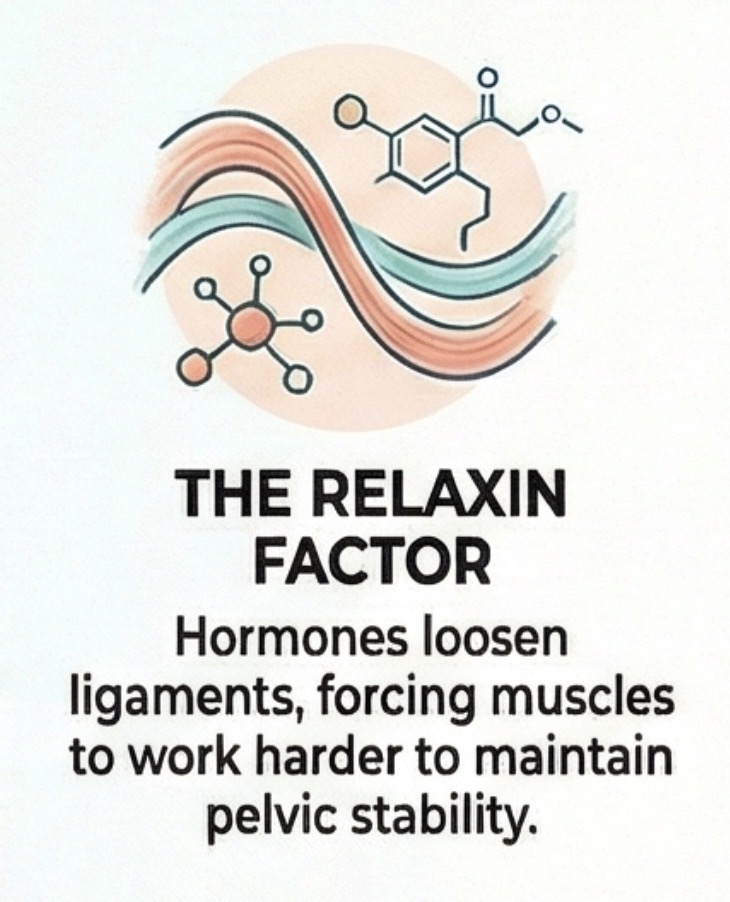
2. The Secret Influence of Relaxin
You may have heard of relaxin, the hormone your body produces to prepare for childbirth. Its job is to loosen the ligaments and connective tissues so your pelvis can expand for delivery.
While this is a brilliant biological process, it creates a unique challenge, because your ligaments are no longer providing the same level of passive stability, your pelvic floor muscles must work significantly harder to compensate. This is often the missing link for many women, because your structural glue is looser, your muscles must be stronger than ever to provide the stability your body needs.
3. Why C-Section Moms Aren’t "Off the Hook"
There is a persistent myth that pelvic floor rehab is only for those who have a vaginal delivery. I want to be very clear, The weight of the baby is the same regardless of how they exit the body.
If you are planning or have had a C-section, you still spent nine months with the weight of a baby, placenta, and fluid pressing down on your pelvic floor. Furthermore, a C-section involves an incision through the abdominal wall, which can lead to core weakness. Every pregnant body undergoes the same structural strain during those 40 weeks, and every body deserves the same level of rehabilitative care.
4. The Power of the "Reverse" Move
While many women are familiar with tightening (the standard Kegel), learning the Reverse Kegel is equally critical for labor. This move focuses on the ability to consciously relax and open the pelvic floor.
The "Heal and Move" philosophy emphasizes that a healthy muscle is not just a strong muscle it is a functional one that can both contract and release. If your pelvic muscles are overactive or too tight, you may experience difficulty emptying your bladder, constipation, or painful intercourse. Mastering the ability to relax these muscles is a vital skill for the descent of the baby during labor and for your general comfort throughout pregnancy.
5. Training for the "Big Day" and Beyond
Engaging in prenatal pelvic floor rehab provides four core benefits that change the trajectory of your motherhood journey:
Early intervention with physiotherapy helps manage symptoms and improve outcomes.
Benefit | Description |
|---|---|
Reduced Incontinence | Minimizes accidental leakage during coughs or sneezes. |
Pain Management | Alleviates SI joint pain, lower back pain, and SPD. |
Birth Preparation | Teaches relaxation techniques essential for labor. |
Faster Recovery | Builds muscle memory for smoother postpartum healing. |
Practical Application: A Quick Start Prenatal Routine
I recommend performing these exercises daily. Aim for 10 repetitions of each, or 2–3 minutes of focused breathing, to build the strength and coordination you need.
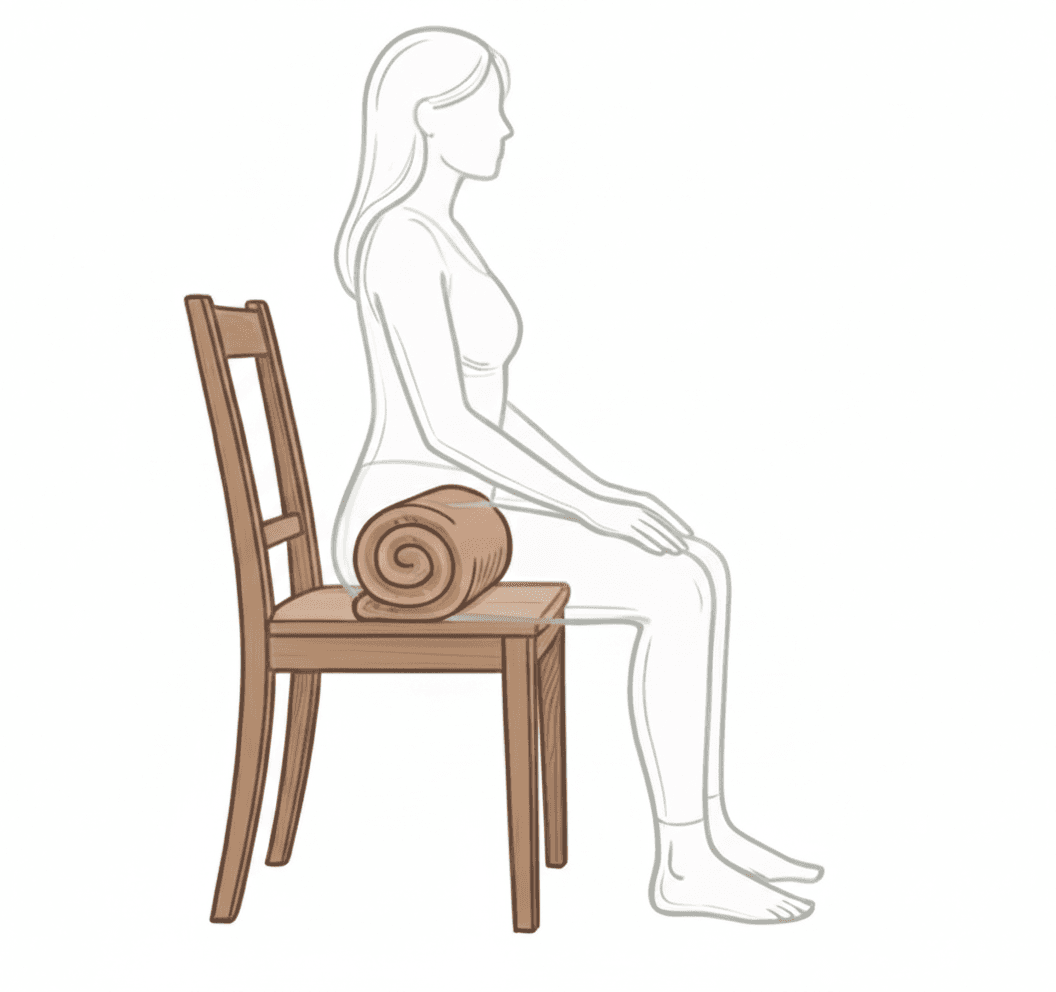
The Towel-Roll Kegel:
Sit on a rolled up towel placed vertically in the middle of a chair.
With feet flat, feel the upward pressure. Slowly contract the muscles around your vagina and anus the same muscles you would use to stop the flow of urine or prevent yourself from passing gas.
Focus on the sensation of lifting the muscles up and away from the towel.
Hold for 3–5 seconds, then slowly relax.
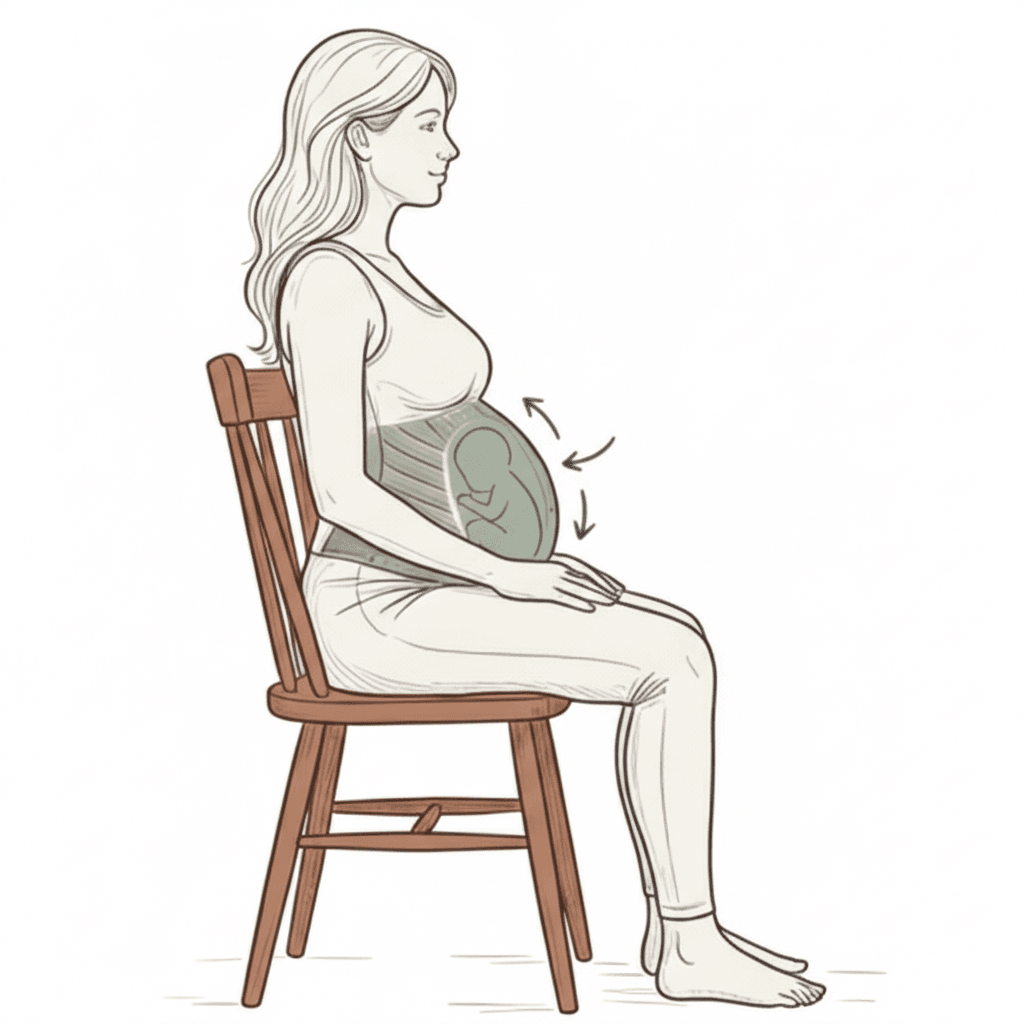
Seated Abdominal Bracing:
Sit tall and squeeze your abdominal muscles as if preparing for a gentle impact.
Maintain this brace while breathing evenly with steady inhales and exhales for 5 seconds.
Relax completely afterward.
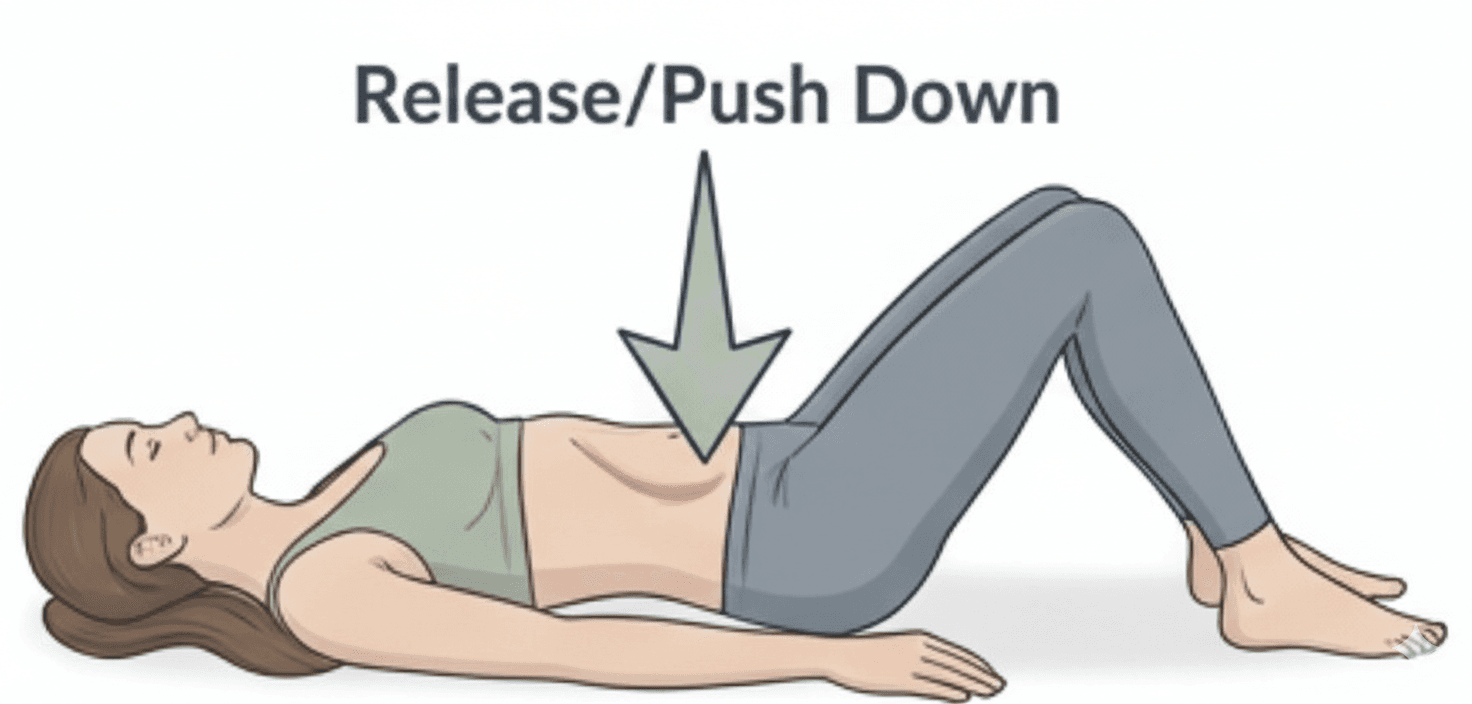
Reverse Kegels:
Lie on your back with knees bent (or sit comfortably if in later pregnancy).
Inhale to fill your belly with air. Gently tense your abdomen and push the air down toward your pelvic floor area, gently bearing down as you hold.
Imagine you are opening the vaginal and anal areas to pee or pass gas.
Release and relax completely as you exhale.
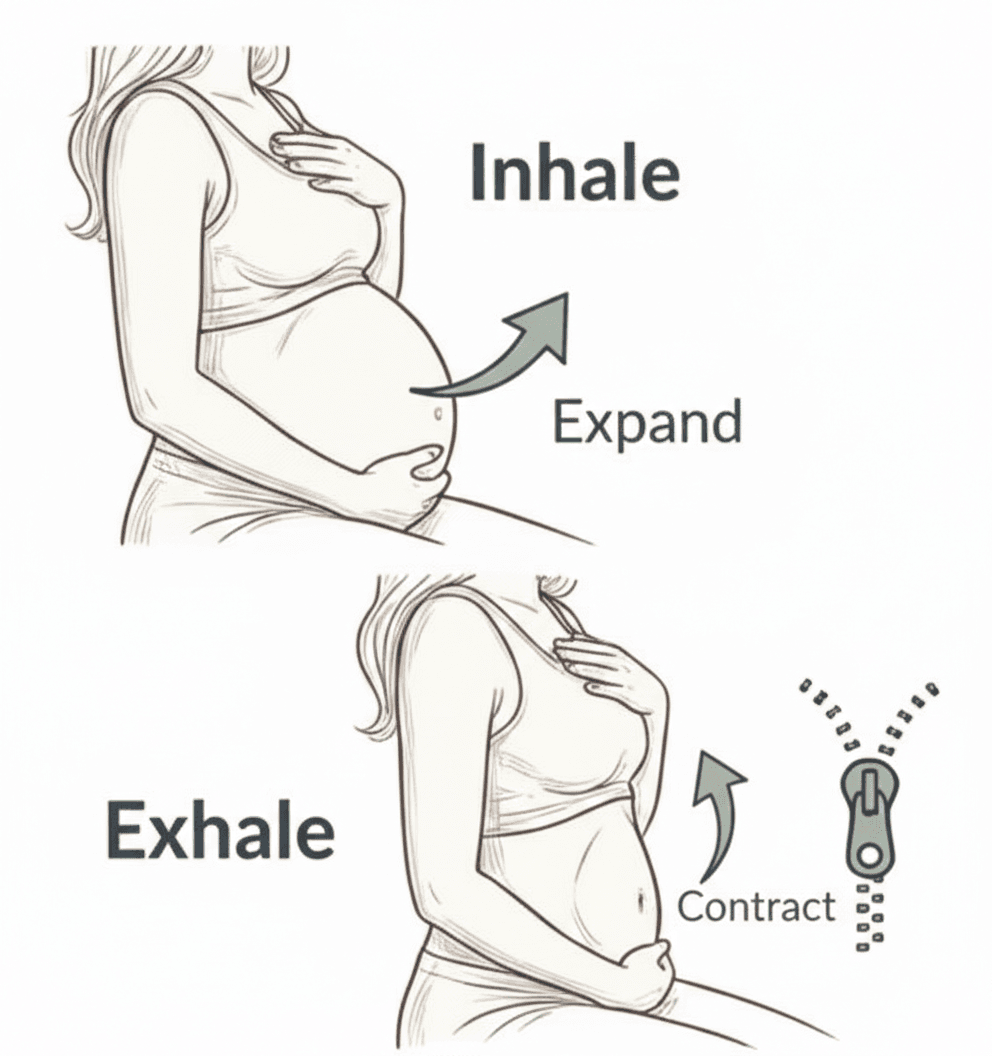
Seated Diaphragmatic Breathing:
Place one hand on your chest and one on your belly.
Inhale deeply, feeling your belly fill with air like a balloon.
As you exhale, imagine you are zipping up a pair of high waisted pants, feeling the belly pull up and in.
Keep your shoulders and chest relaxed.
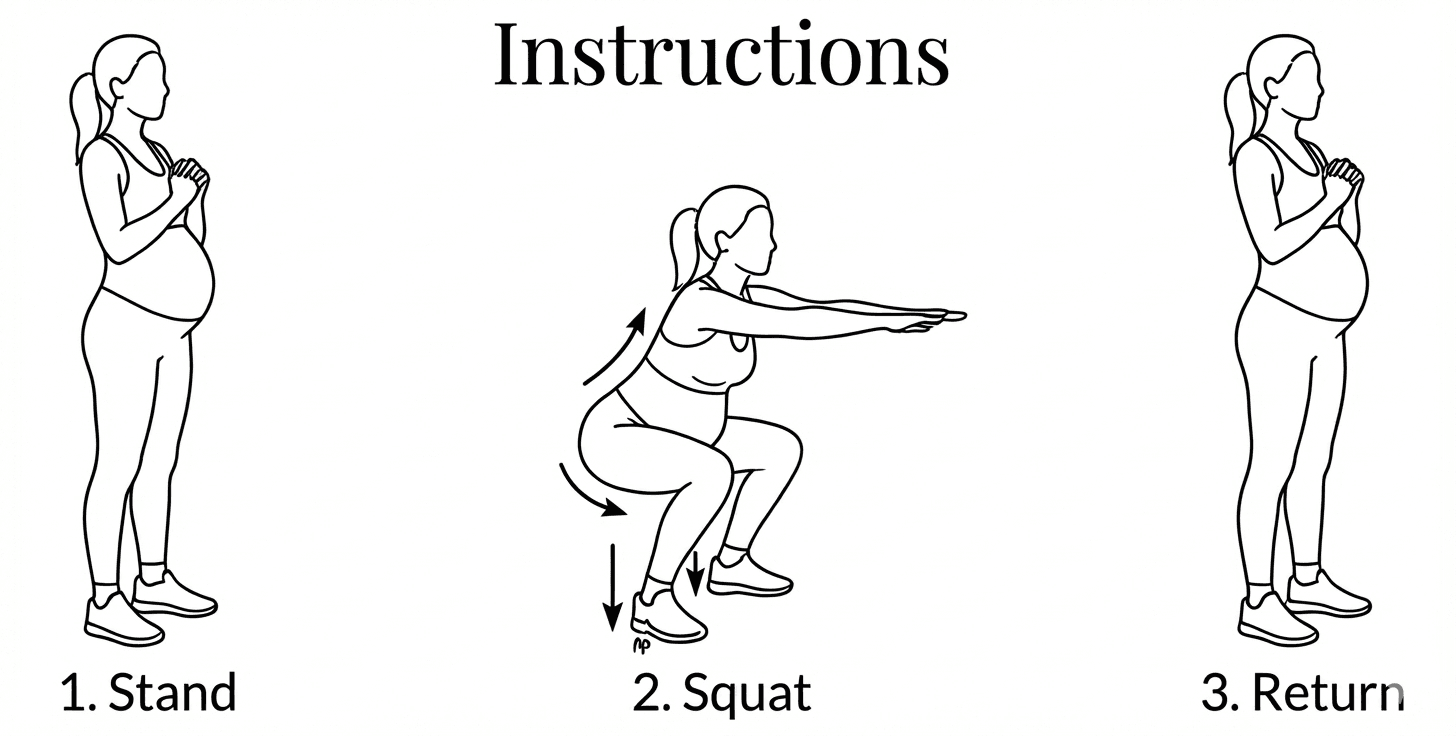
Kegel Squats:
Stand with feet apart. Contract your pelvic floor muscles.
Lower into a squat as if sitting in a chair, keeping your weight in your heels.
Hold the squat while squeezing your thighs, hips, and pelvic floor, then push back to standing and relax the muscles.
Conclusion: The Long-Term View of Self-Care
Caring for your pelvic floor is an act of self-care that extends far beyond your due date. By supporting your body from the inside out, you are investing in your long-term health and your ability to remain an active, pain-free woman and mother.
Your body is performing incredible work right now. Do you feel empowered to give it the training it deserves so you can move and heal without pain?
Our physiotherapists can help you navigate these changes, ensuring you move, heal, and thrive throughout motherhood.