

If you are dealing with the sharp, shooting pain of sciatica radiating down your leg or aching in your lower back, you know how severely it can disrupt your daily life.
Sciatica occurs when the sciatic nerve which runs from your lower back down through your legs becomes irritated, inflamed, or compressed. While complete recovery takes time and patience, incorporating a few simple habits into your routine can help accelerate your healing process and provide much needed relief.
Here are five simple tips to help you recover faster:
1. Keep Moving (Ditch the Prolonged Bed Rest)
It is a common misconception that strict bed rest is the best cure for sciatica. While resting for the first two to three days can be helpful during a severe flare up, staying in bed too long can actually worsen your symptoms.
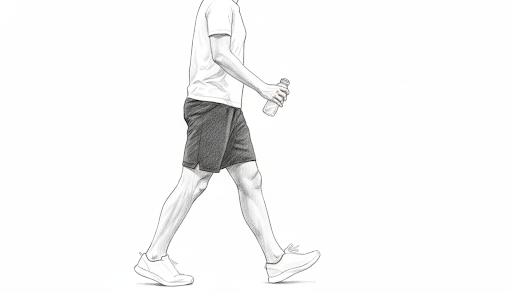
Once the initial sharp pain begins to settle, try to keep your body engaged with gentle movements like slow, short walks or light daily activities. Movement improves blood circulation, which delivers oxygen and nutrients to the nerve to help it heal. Just remember to listen to your body and avoid aggressive or high-impact movements.
2. Alternate Heat and Ice Therapy
Temperature therapy plays a highly beneficial role in managing sciatica pain.
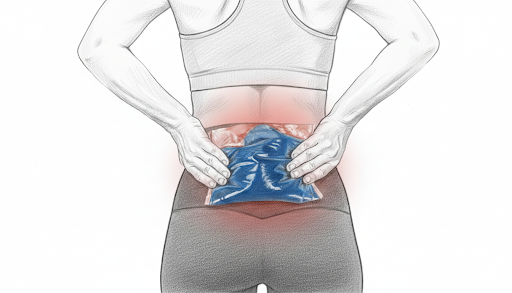
Start with Ice: During the first few days of a flare-up, use ice packs. The cold helps reduce initial inflammation and numbs the sharp pain.
Switch to Heat: If the pain persists after a few days, switch to heat therapy (like a warm compress or heating pad). Heat promotes blood flow and helps relax tight muscles surrounding the sciatic nerve.
3. Incorporate Gentle, Targeted Stretching
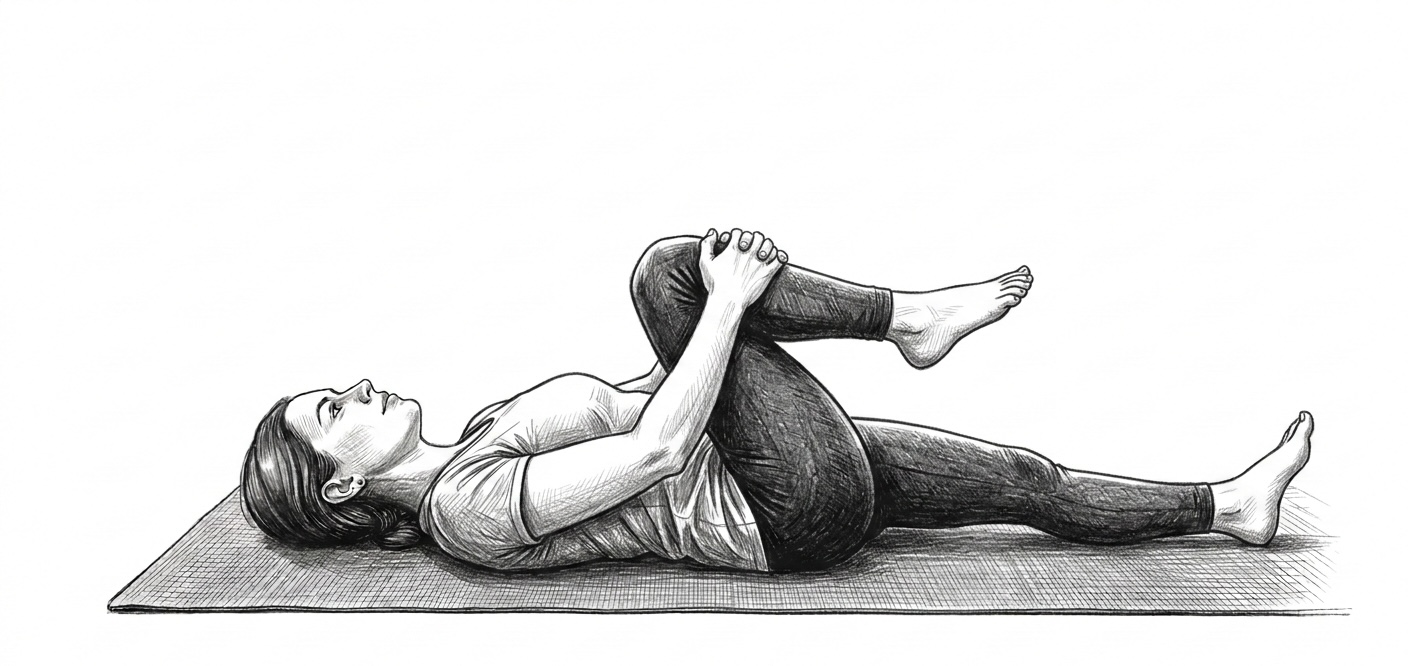
Stretching is an excellent way to relieve pressure on the sciatic nerve, improve flexibility, and promote muscle relaxation. Focus on stretches that target your lower back, glutes, and hamstrings.
Simple routines like the piriformis stretch, single knee to chest stretch, and gentle hamstring stretches can be very effective. Always stretch gently, breathe through the movements, and never push yourself to the point of sharp pain.
4. Focus on Your Posture and Ergonomics
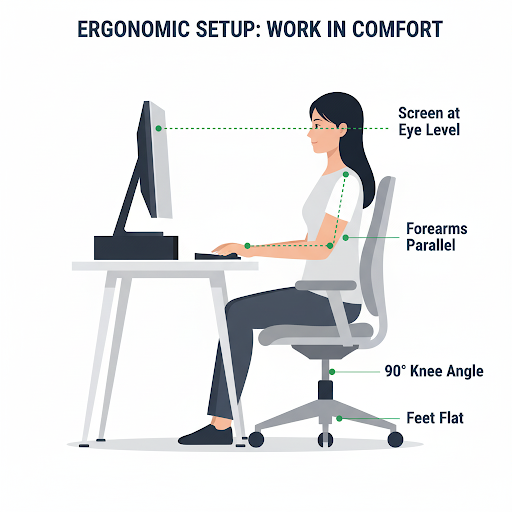
Poor posture especially when sitting for long periods or lifting objects can significantly aggravate sciatica. Maintaining proper spinal alignment reduces unnecessary pressure on your lower back.
When sitting at a desk:
Use an ergonomic chair with proper lower back (lumbar) cushioning and arm support.
Ensure your feet rest flat on the floor.
Adjust your computer screen and equipment to avoid slouching or leaning forward.
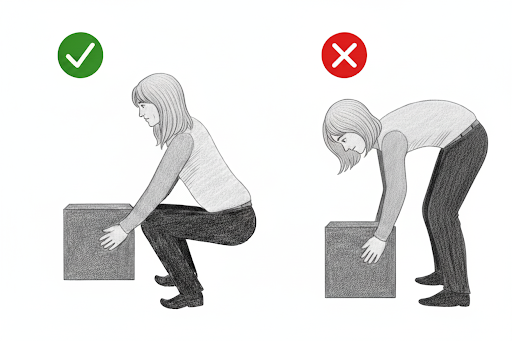
When lifting objects:
Keep the weight close to your body.
Always bend at your knees (not your waist) and use the power of your leg muscles to lift.
5. Check Your Footwear
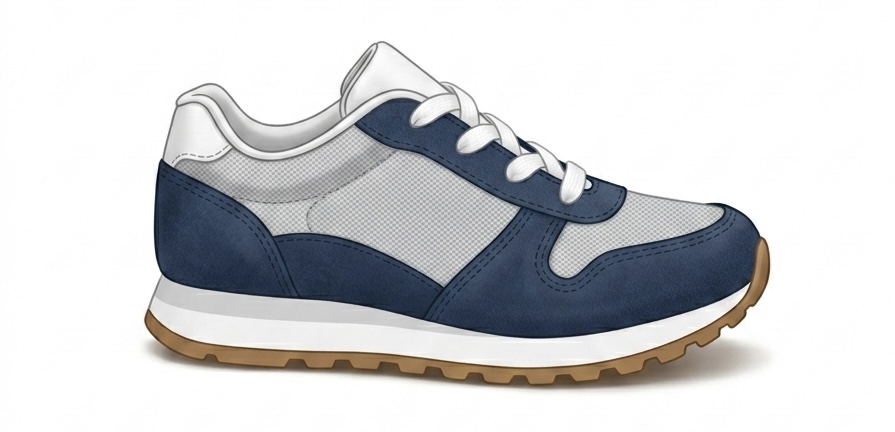
Every step you take sends a small shockwave up your leg and into your lower back. Wearing flat, unsupportive shoes or high heels increases this impact, adding unnecessary load and compression to your sensitive nerves.
Opt for comfortable, cushioned walking shoes with good arch support. It is even a good idea to wear supportive footwear while walking around inside your house to help absorb shock and take the stress off your back.
Recovering from sciatica requires a little patience, but combining gentle movement, temperature therapy, and smart daily habits can make a massive difference in your comfort. Hang in there with time and the right self care, most sciatica pain will naturally improve!


