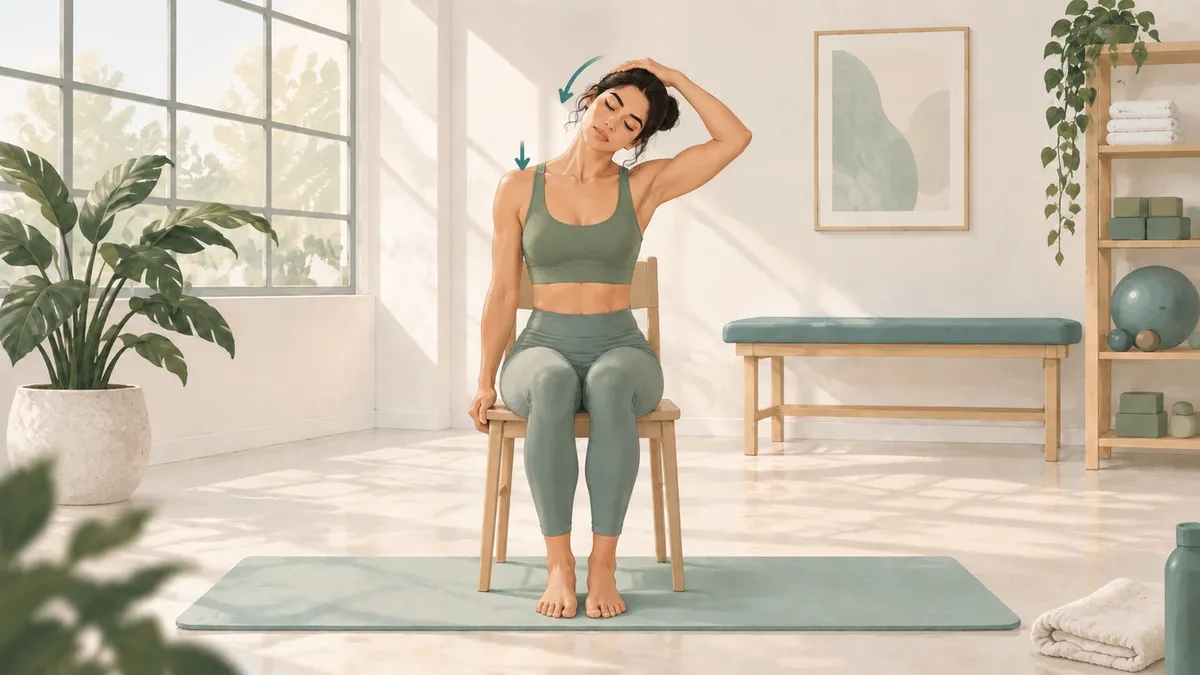
Stretch
Upper Trapezius Stretch
The Upper Trapezius Stretch is a simple seated or standing exercise designed to elongate the fibers between your neck and shoulder.
Levator ScapulaeSternocleidomastoid (SCM)+2 more
Upper Cross Syndrome is a common postural condition caused by a predictable pattern of muscle imbalance around the neck, shoulders, and chest. It develops gradually often without you even noticing until pain, stiffness, or poor posture becomes hard to ignore.
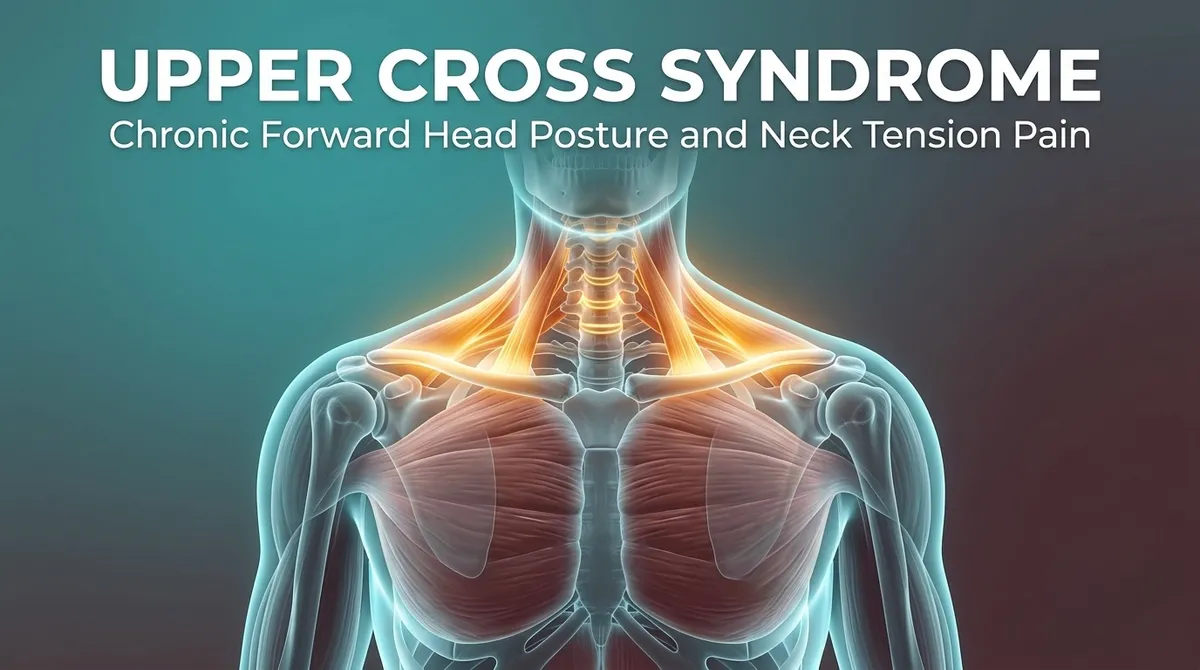
Upper Cross Syndrome is more common than most people realize. Research shows a prevalence of 47.2% among IT professionals, and 31.7% among corporate office workers overall rising to 40.4% in women and 42.9% in those aged 31–40 years.
Whether you are an office worker, a student, a remote worker, or someone who spends hours on their phone, your posture is constantly being shaped by your daily habits. Understanding your condition is the first step toward correcting it. This guide covers everything from anatomy to advanced physiotherapy rehabilitation.
The neck, shoulder, and upper back region involves a complex interplay of muscles that must work in balance to maintain upright posture. When certain muscles are overworked and others are underused, a predictable pattern of tightness and weakness develops forming an X-shaped cross pattern across the upper body.
Tight and Overactive Muscles:
Upper Trapezius: The large muscle running from the base of the skull to the shoulder, which becomes overactive and elevated.
Levator Scapulae: A deep neck muscle that pulls the shoulder blade upward, contributing to neck stiffness.
Pectorals (Chest Muscles): The pectoralis major and minor become tight and shortened, pulling the shoulders forward into a rounded position.
Weak and Underactive Muscles:
Deep Neck Flexors: Small stabilizing muscles at the front of the cervical spine that lose activation with forward head posture.
Lower Trapezius: The lower fibers of the trapezius that should pull the shoulder blades down and back become inhibited.
Serratus Anterior: A key muscle for scapular stability along the ribcage that weakens with poor posture.
This imbalance tight in front, weak in back pulls the head forward, rounds the shoulders, and creates the characteristic hunched posture of Upper Cross Syndrome.
If you have Upper Cross Syndrome, you may notice the following signs:
Persistent tightness and aching in the back of the neck, often worse after prolonged sitting or screen use.
The shoulders roll forward and inward due to tight chest muscles and weak upper back muscles.
The head drifts forward of the body’s centre of gravity for every inch forward, the effective weight on the cervical spine increases significantly.
Aching or burning discomfort between the shoulder blades due to overstretched and weakened mid-back muscles.
Tension headaches originating from the base of the skull, often caused by tight suboccipital muscles and overactive upper trapezius.
Reduced shoulder mobility and a feeling of tightness across the chest and front of the shoulders.
Muscle fatigue in the neck and shoulders, particularly after desk work or prolonged phone use.
Upper Cross Syndrome develops gradually through sustained poor posture and repetitive movement habits that overload certain muscles while neglecting others.
Prolonged Desk Work: Long hours at a computer with the head positioned forward and shoulders rounded.
Excessive Phone Use: Looking down at a phone for extended periods sometimes called “text neck” loads the cervical spine and tightens the neck and chest.
Muscle Imbalances: When chest and neck muscles repeatedly get tight and short, while upper back and shoulder muscles become weak and stretched out.
Sedentary Lifestyle: Lack of movement and prolonged sitting allow postural muscles to weaken progressively.
Unbalanced Training: Gym routines that prioritize chest training without equal attention to upper back and posterior shoulder muscles.
Office Workers and Students: Prolonged desk-based work is the most significant risk factor.
People Working from Home: Remote workers often lack ergonomic setups and move less throughout the day.
Heavy Phone Users: Spending significant time looking down at a phone places sustained load on the neck.
Gym Enthusiasts: Those who train chest more than back develop a muscle imbalance that encourages UCS posture.
Age 31–40: Research shows this age group has the highest prevalence, likely due to peak desk-based working years.
Women: Females show higher prevalence, potentially linked to differences in muscle mass distribution and occupational demands.
If left unaddressed, Upper Cross Syndrome can progress and lead to:
Chronic Neck and Shoulder Pain: Persistent pain that no longer resolves with rest as structural changes take hold.
Cervicogenic Headaches: Recurrent headaches originating from the cervical spine and suboccipital muscles.
Reduced Shoulder Mobility: Progressive loss of shoulder range of motion affecting overhead activities.
Nerve Symptoms: In advanced cases, forward head posture and muscle tightness can contribute to nerve irritation, causing tingling or numbness in the arms.
Jaw Pain (TMJ): Forward head posture alters the position of the jaw joint, contributing to jaw pain and dysfunction.
Breathing Limitations: Tight chest muscles and rounded shoulders restrict full chest expansion and reduce breathing efficiency.
Upper Cross Syndrome is largely preventable with consistent attention to posture and daily habits:
Breathing Training: Practice deep diaphragmatic breathing to improve posture and activate core and thoracic stabilizing muscles.
Movement Breaks: Get up and move every 30–60 minutes to break prolonged static postures.
Ergonomic Setup: Position your screen at eye level, keep forearms parallel to the floor, maintain a 90° knee angle, and keep feet flat on the floor.
Stretching: Regularly stretch the chest, front of the neck, and upper trapezius to counteract tightening.
Strengthening: Focus on building strength in the upper back, deep neck flexors, and rear shoulder muscles to restore balance.
Lifestyle Habits: Manage stress, as tension commonly accumulates in the neck and shoulders and worsens UCS.
A proper diagnosis helps identify the stage of UCS, the specific muscles involved, and the most effective treatment approach.
Physical Examination
Your physiotherapist will assess your standing and sitting posture, head position, shoulder alignment, and thoracic curvature. Both sides are compared and muscle length and strength testing is performed to map the pattern of tightness and weakness.
Postural Assessment
A detailed postural screen is performed from the front, side, and back to identify forward head posture, rounded shoulders, elevated shoulder blades, and increased thoracic kyphosis.
Muscle Length and Strength Testing
Pectoral Length Test: Assesses tightness in the pectoralis major and minor.
Deep Neck Flexor Endurance Test: Evaluates the endurance capacity of the deep cervical stabilizers.
Lower Trapezius Strength Test: Tests the activation and strength of the lower trapezius fibers.
Levator Scapulae and Upper Trapezius Flexibility: Assessed through cervical lateral flexion and rotation range.
Imaging and Other Investigations
X-Ray: May be used to assess the degree of cervical lordosis, forward head posture angle, or thoracic kyphosis in significant cases.
MRI: Indicated if nerve symptoms are present, to rule out cervical disc herniation or nerve root compression contributing to arm symptoms.
Upper Cross Syndrome responds very well to conservative management. With the right physiotherapy approach and lifestyle adjustments, significant improvements in posture, pain, and function are achievable at any stage.
Postural Correction: Conscious retraining of sitting and standing posture with ergonomic adjustments at the workstation.
Ergonomic Setup: Screen at eye level, forearms parallel, 90° knee angle, feet flat eliminating the postural stressors driving the condition.
Activity Modification: Reducing prolonged static postures, increasing movement breaks, and balancing training loads.
Oral Medications: Short-term use of analgesics or muscle relaxants may be considered for acute pain or significant muscle spasm.
Trigger Point Injections: In cases of severe myofascial pain with active trigger points in the upper trapezius or levator scapulae, injections may provide relief to allow engagement with rehabilitation.
Physiotherapy is the most effective long-term solution for Upper Cross Syndrome, addressing both the symptoms and the underlying muscle imbalances driving the condition.
Patient Education
Understanding how your daily habits are shaping your posture is the foundation of recovery. We help you identify your specific triggers, correct your workstation setup, and build a routine that supports long-term postural health.
Modalities
TENS and therapeutic ultrasound to manage pain and reduce muscle spasm in the upper trapezius, levator scapulae, and surrounding muscles.
Heat Therapy
Applied to the upper back and neck to relax tight muscles before manual therapy and exercise.
Manual Therapy
Hands-on soft tissue release and trigger point therapy to the tight muscles upper trapezius, levator scapulae, and pectorals combined with cervical and thoracic joint mobilization to restore mobility and reduce pain.
Dry Needling
Targeted dry needling to active trigger points in the upper trapezius and neck muscles can provide significant relief and improve muscle function.
Stretching Program
Targeted stretching to release the tight muscles driving the imbalance:
Doorway chest stretch (pectoral stretch)
Chin tuck and neck stretch
Upper trapezius stretch
Levator scapulae stretch
Thoracic extension over a foam roller
Strengthening Exercises
Progressive strengthening of the weak and inhibited muscles to restore balance:
Banded rows to activate the upper back
Wall chin tuck to strengthen deep neck flexors and neck stabilizers
Low row isometrics to strengthen the rhomboids and mid-back
Scapular retraction and depression exercises
Serratus anterior activation
Postural Retraining and Neuromuscular Re-education
Retraining the nervous system to maintain correct posture automatically, reducing the effort required to hold an upright position throughout the day.
Breathing Retraining
Restoring proper diaphragmatic breathing patterns improves thoracic mobility, reduces accessory muscle overuse, and supports core and postural muscle activation.
Functional and Workstation Training
We bridge the gap between treatment and real life helping you apply postural correction in your specific work environment, whether at a desk, on a construction site, or in a classroom.
The Upper Trapezius Stretch is a simple seated or standing exercise designed to elongate the fibers between your neck and shoulder.
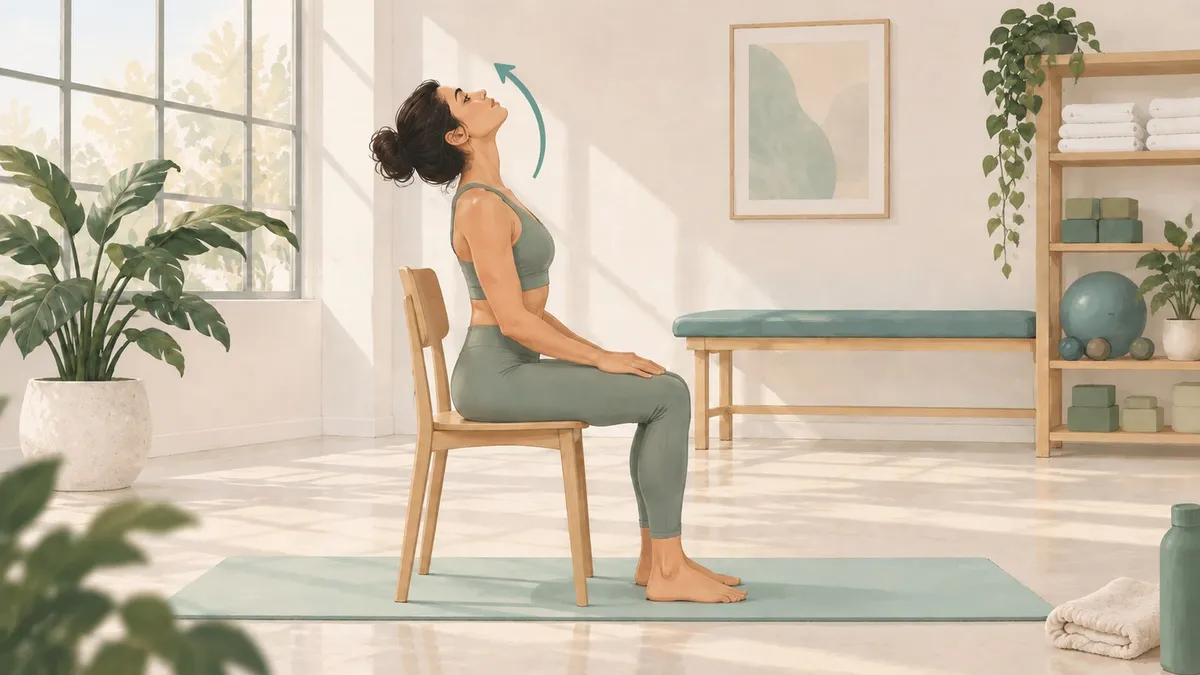
Neck extension is the act of tilting your head backward. It is the movement you make when you look up at the ceiling, gaze at the stars, or wash your hair in the shower.
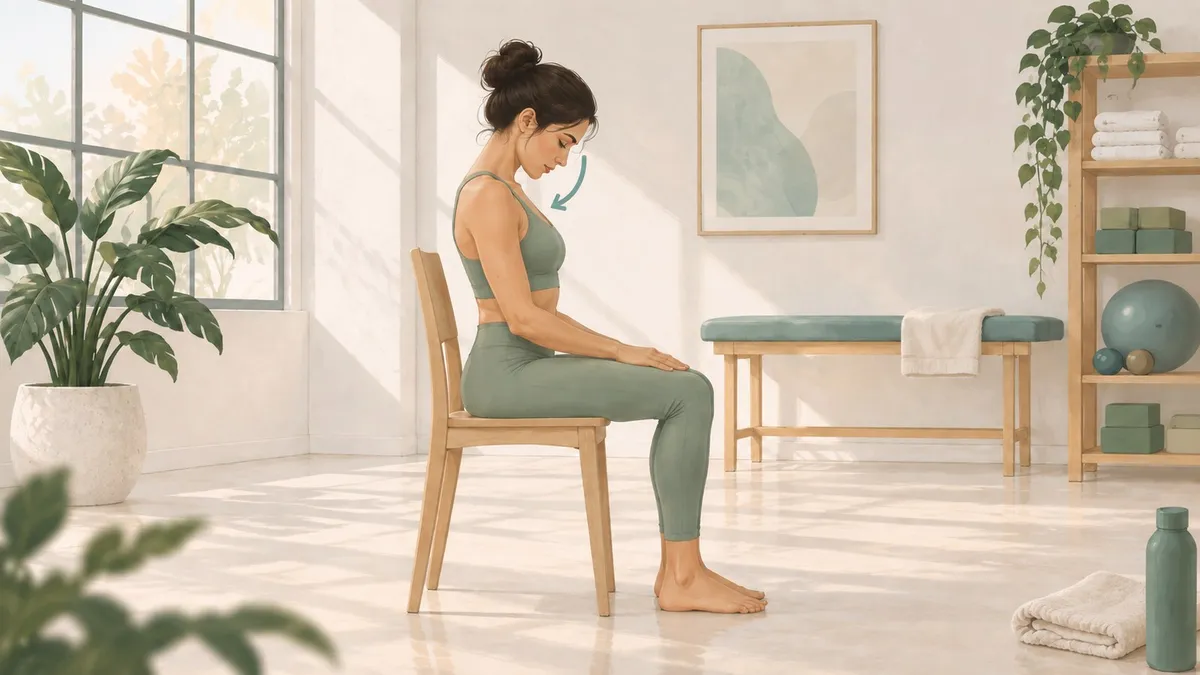
Neck flexion is simply the act of bending your head forward. It is the movement you make when you look down at your phone, read a book on your lap, or nod "yes."
Book a consultation to get personalized treatment advice for your condition.
Book on Instagram