Neck Flexion
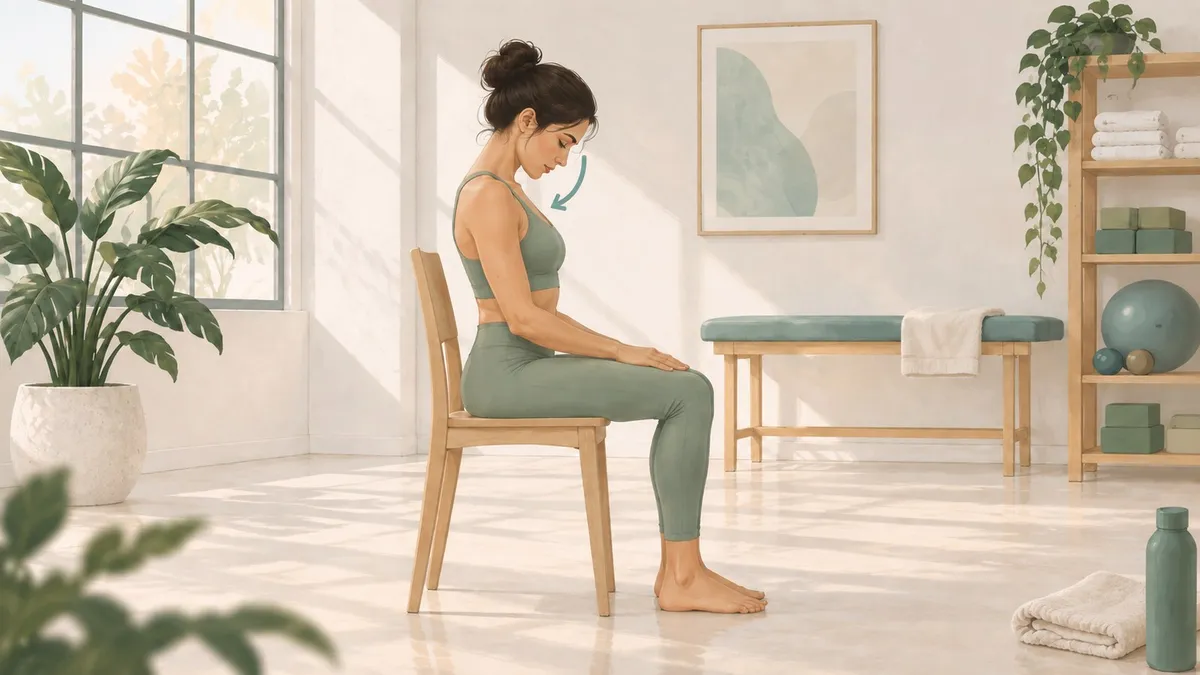
Neck flexion is simply the act of bending your head forward. It is the movement you make when you look down at your phone, read a book on your lap, or nod "yes."
How to Perform
 1
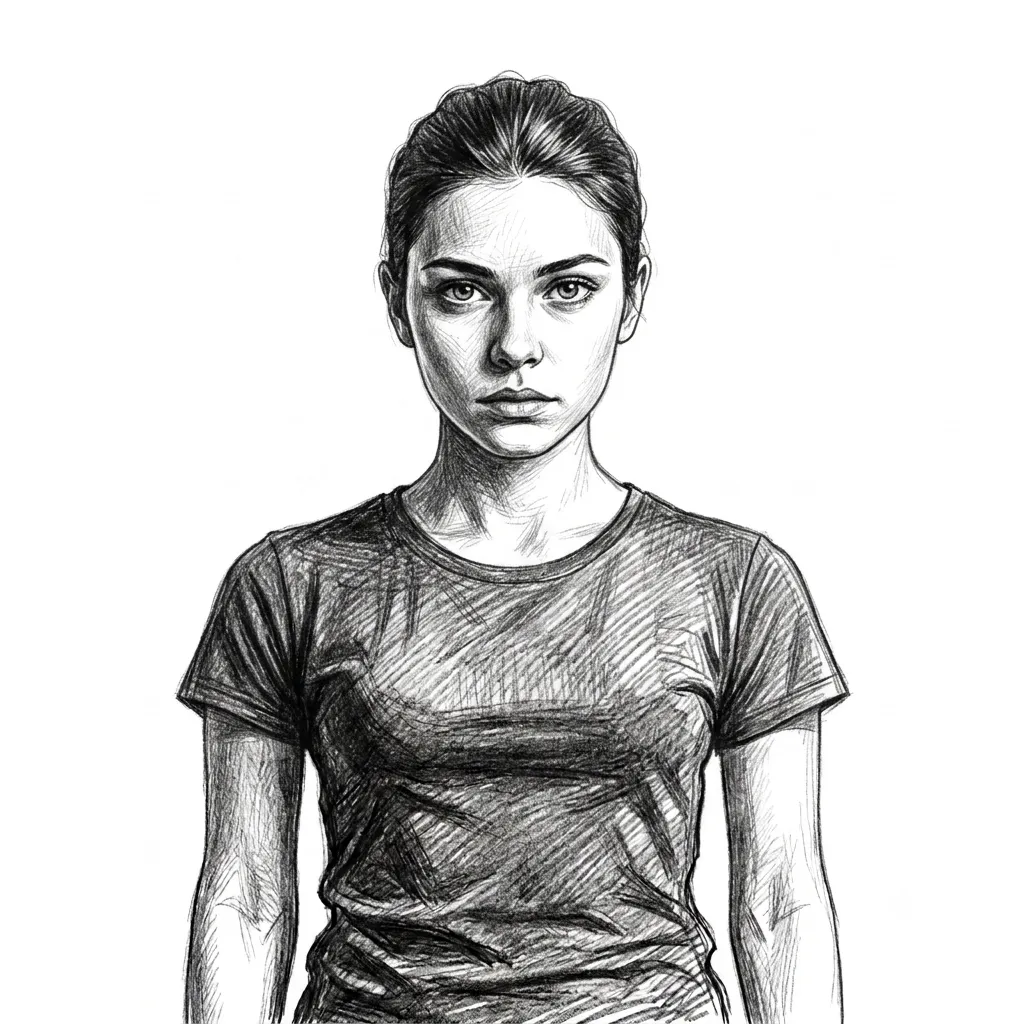
1Sit or stand up tall with your shoulders relaxed.
 2⏱ Hold 10s
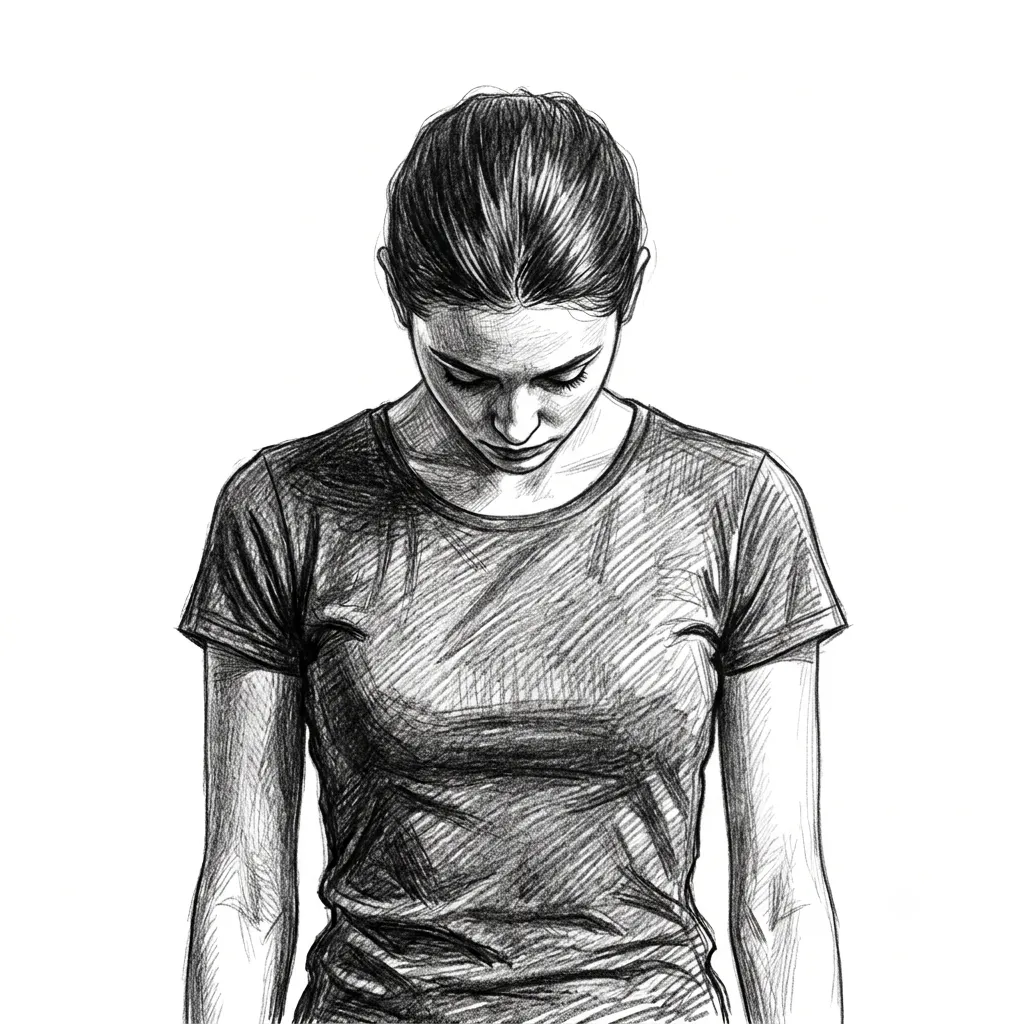
Slowly lower your chin straight down toward your chest And hold the position when you feel a comfortable stretch along the back of your neck.
🔁 Repeat this exercise 5 times
Muscles Targeted
The Muscles that Contract (Pull you into flexion).
The Muscles that Contract (Pull you into flexion).
The Muscles that Contract (Pull you into flexion).
The Muscles that Contract (Pull you into flexion).
The Muscles that Stretch (Elongate during flexion).
The Muscles that Stretch (Elongate during flexion).
The Muscles that Stretch (Elongate during flexion).
The Muscles that Stretch (Elongate during flexion).
Helpful For
By stretching the tight suboccipital muscles at the base of the skull that often trigger head pain.
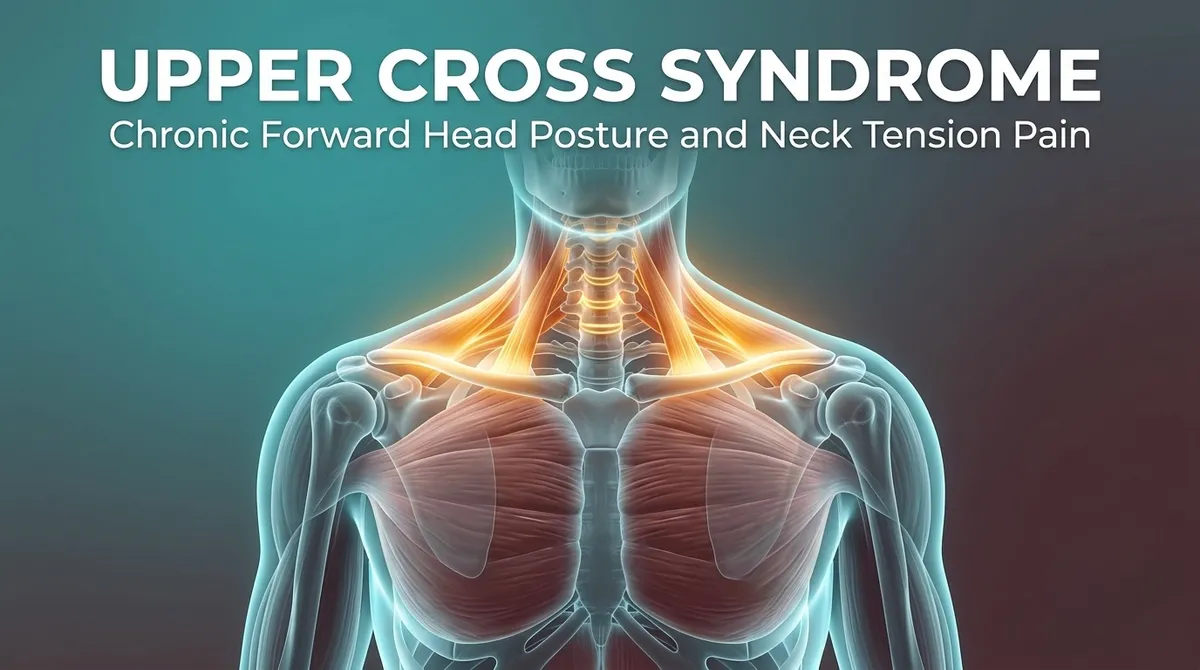
Helps activate weak front neck muscles (deep neck flexors) while stretching the overactive muscles in the back of the neck.
Used gently to maintain joint space and flexibility in the cervical spine.
Incorporated in the later stages of rehab to safely restore forward bending motion after a rear-end collision.
Benefits
- Deep Stretch: It provides a highly effective stretch for the stiff muscles and ligaments running down the back of your neck and upper spine.
- Tension Relief: It helps melt away the "tight" feeling that builds up at the base of the skull from stress, poor sleeping positions, or working at a desk all day.
- Counteracts Arching: It balances the neck after long periods of looking up (extension) or holding the head in rigid positions.
Precautions
- Don't Force It: Let the natural weight of your head do the work. Do not use your hands to forcefully pull or yank your head down toward your chest.
- Keep Shoulders Down: Make sure your shoulders don't round forward or hunch up toward your ears as you look down.
- Listen to Your Body: Stop immediately if you feel a sharp pinch, dizziness, or any tingling/numbness traveling down your arms into your hands.
Helps With
Need Professional Help?
Book a consultation to get personalized treatment advice for your condition.
Book on Instagram