Hamstring Isometrics
Hamstring isometrics in lying activates and strengthens the hamstring muscles using a towel for resistance without any knee movement, making it safe for early rehabilitation and pain free strengthening.

How to Perform
 1
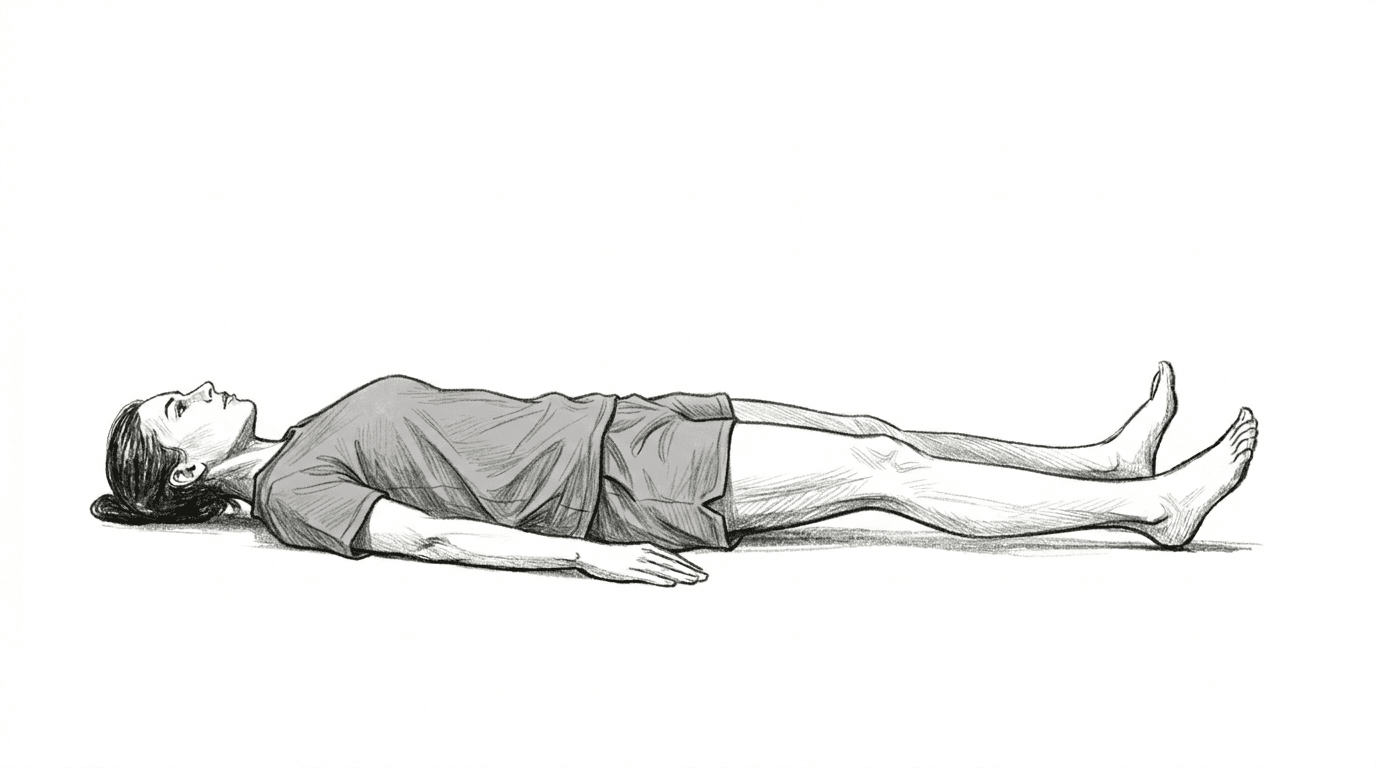
1Lie on your back on a firm surface, such as the floor or a bed.
 2
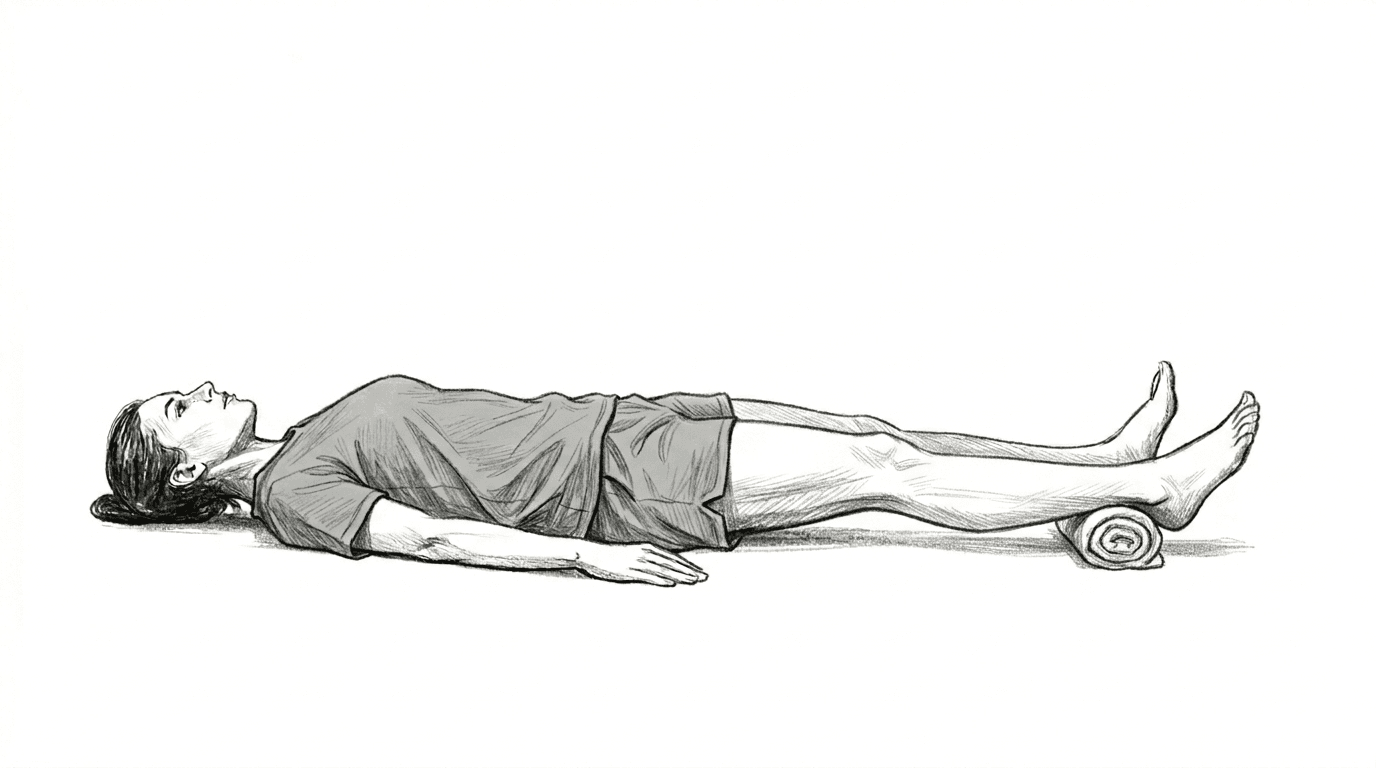
2Place a rolled up towel or small pillow under your Ankle.
 3
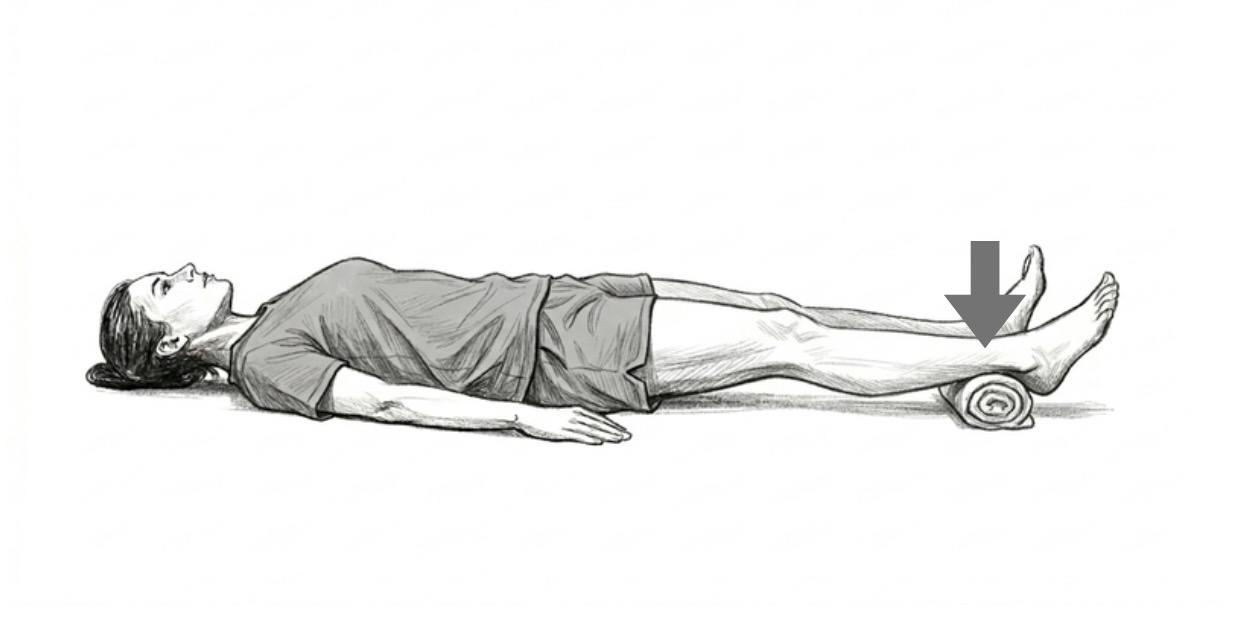
3Tighten your hamstring muscles and press your heel firmly down into the rolled towel.Keep the leg straight.
 4
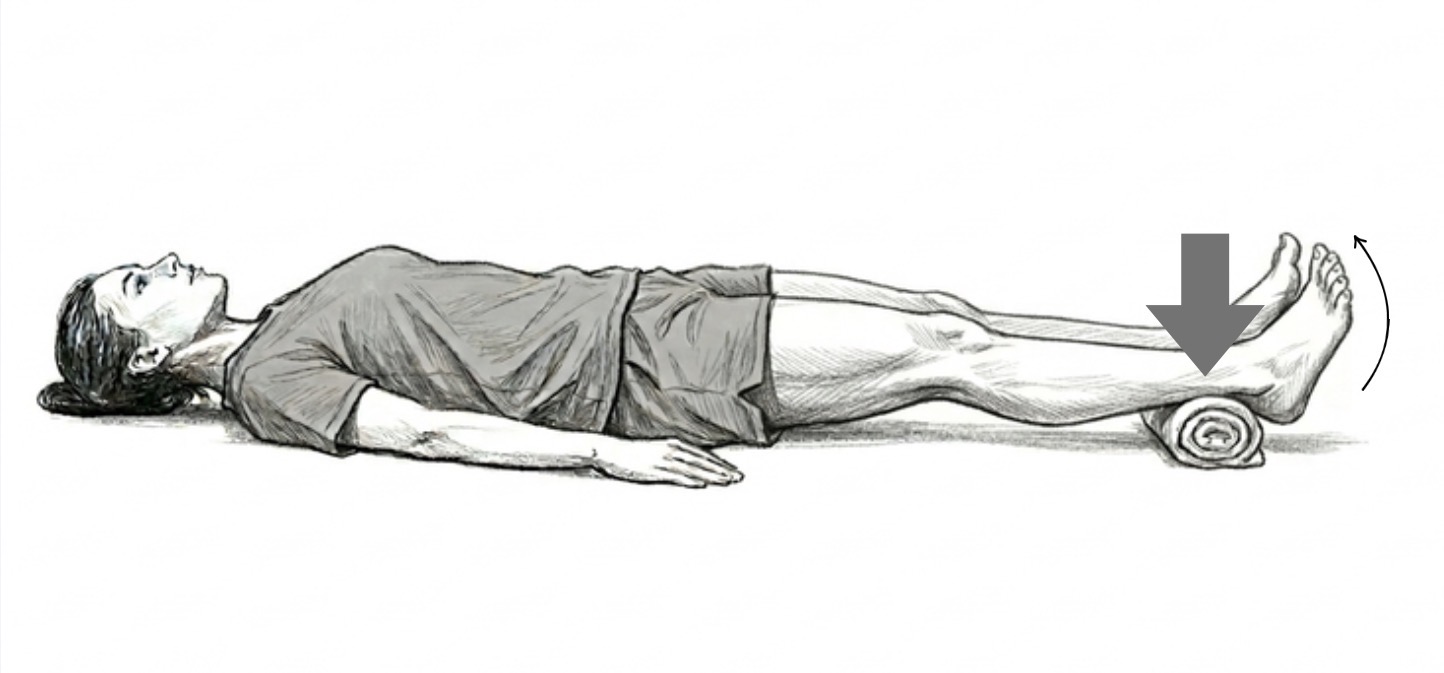
4Pull your toes upward toward your shin (dorsiflexion) while maintaining the heel press. This increases hamstring muscle activation and deepens the isometric contraction.
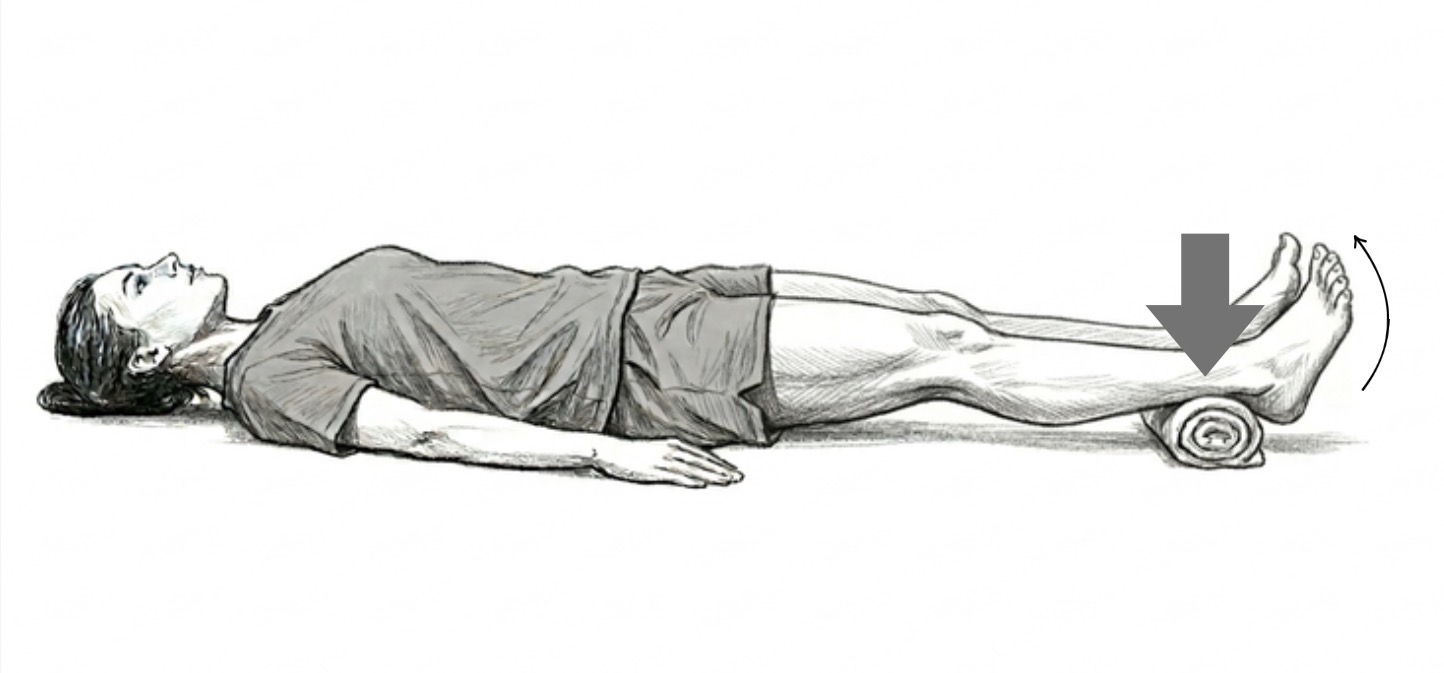 5⏱ Hold 10s
Hold the contraction firmly for 10 seconds while breathing normally.
🔁 Repeat this exercise 5 times
Muscles Targeted
The main muscles of the buttocks. As the hip works to extend and the calves (engaged via the dorsiflexed foot position).
Helpful For
Early-stage recovery for ACL, PCL, or Meniscus surgeries.
Grade 1 or 2 strains where early, movement-free loading is required to align healing tissue.
Strengthening the surrounding musculature to offload the joint without causing frictional joint pain.
Used to balance the muscular pull around the knee by ensuring the hamstrings are engaging properly alongside the quadriceps.
For patients in braces or casts who need to maintain muscle tone safely.
Benefits
- Safe Early Strengthening: Builds strength in the hamstrings without stressing the knee joint through a range of motion, making it highly effective during acute injury phases.
- Prevents Muscle Atrophy: Helps maintain muscle mass and neuromuscular connections during periods of immobilization or strict bed rest.
- Promotes Joint Stability: Co-contracts with surrounding muscles to enhance overall knee and hip stability.
- Pain-Free Activation: Allows for controlled muscle engagement that can be easily modified based on the patient's pain tolerance.
Precautions
- Breathe: Do not hold your breath during the isometric hold. Encourage normal breathing or exhaling as you push the heel down.
- Avoid Knee Hyperextension: If you have naturally hypermobile or "double-jointed" knees, be careful not to aggressively snap the knee joint backward. The focus should be on the downward pressure from the heel, not locking the knee out painfully.
- Monitor Pain: A feeling of muscle fatigue is normal, but stop immediately if there is sharp pain in the knee joint or deep in the muscle belly.
Helps With

Plantar Fasciitis
Plantar Fasciitis is one of the most common causes of heel pain, caused by inflammation and degeneration of the thick band of tissue that runs along the bottom of your foot. It affects millions of people worldwide from athletes to those who spend long hours on their feet.

Osteoarthritis (OA) of the Knee
Osteoarthritis of the knee is the most common form of arthritis, caused by gradual wear and degeneration of the cartilage that cushions the knee joint. It is a leading cause of chronic joint pain and disability, particularly in older adults.
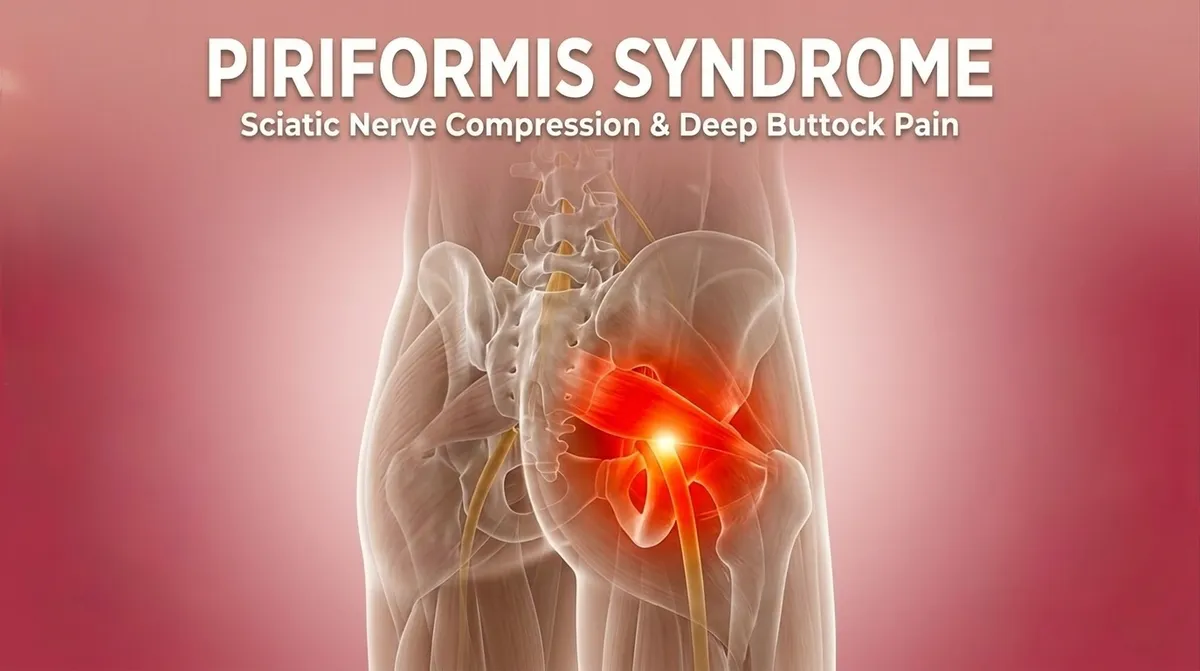
Piriformis Syndrome
Piriformis Syndrome is a condition that causes pain, numbness, or tingling in the buttock, hip, or upper leg. It occurs when the piriformis muscle a small, deep muscle in the buttock becomes tight, inflamed, or irritated and compresses the sciatic nerve running beneath it.
Need Professional Help?
Book a consultation to get personalized treatment advice for your condition.
Book on Instagram