
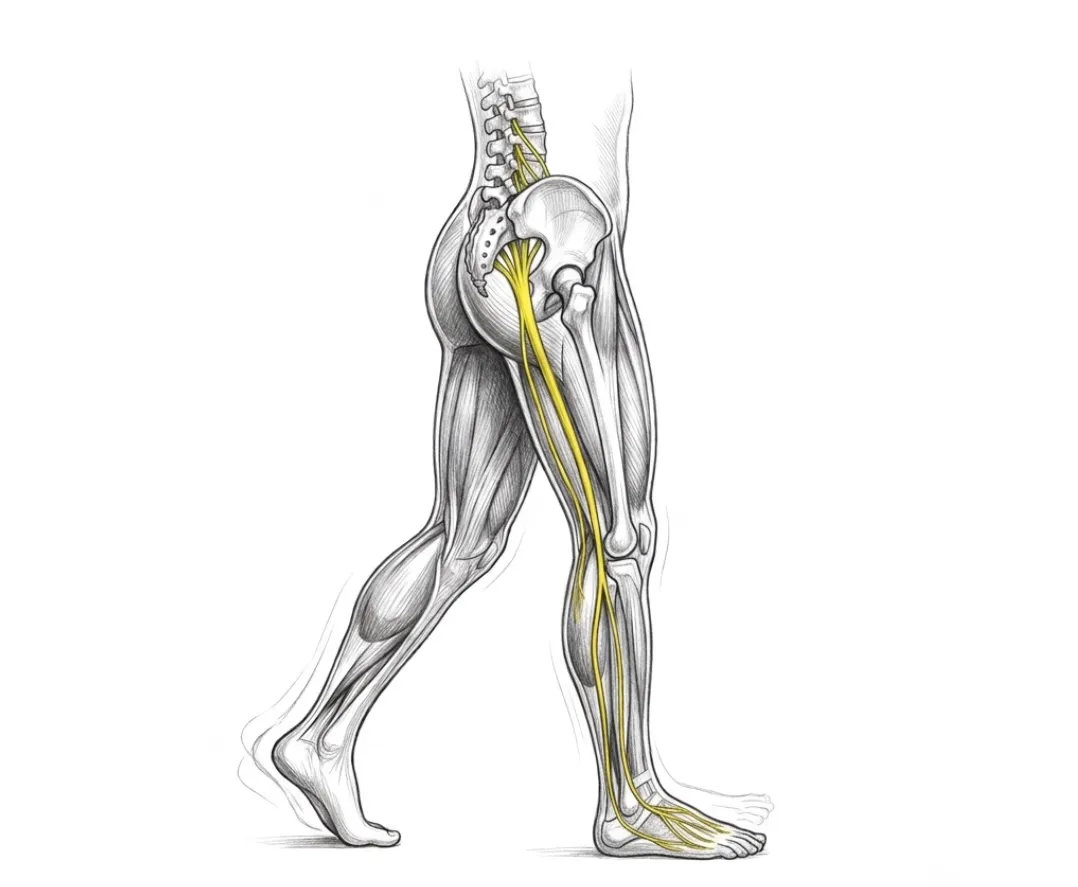
Sciatica is a sharp, shooting pain that runs from your lower back down through your buttock and leg, caused by irritation of the sciatic nerve and for most people, it improves within 4 to 6 weeks with the right movement, not bed rest.
What Sciatica Actually Feels Like
Sciatica isn't a diagnosis on its own it's a symptom. You'll usually notice:
A burning or shooting pain down one leg, often below the knee
Numbness, tingling, or "pins and needles" in the foot or toes
Pain that gets worse with sitting, coughing, or bending forward
Why Bed Rest Makes It Worse
It feels logical to rest until the pain passes, but staying still lets the surrounding muscles stiffen and can slow nerve healing. Gentle, controlled movement keeps blood flow to the nerve and prevents the muscles around your spine from guarding and tightening further.
5 Physiotherapy-Backed Steps to Recover Faster
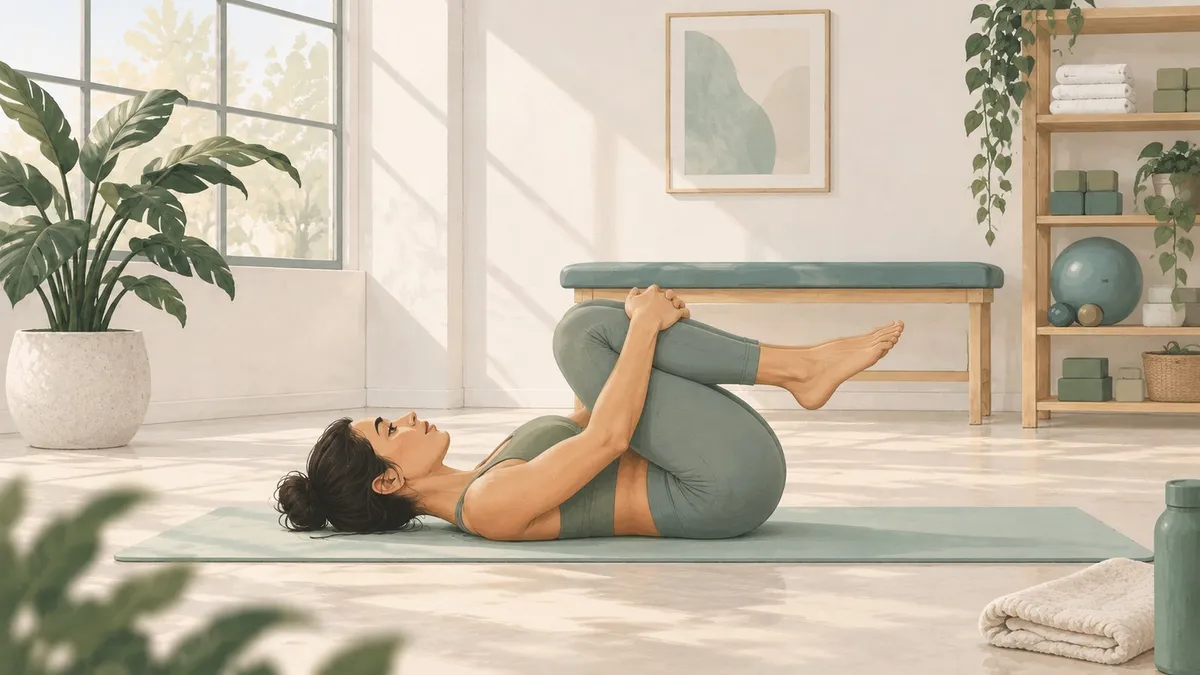
Knee-to-chest stretch : Lie on your back, gently pull one knee toward your chest, hold 20-30 seconds, 3 times per side.
Piriformis stretch : Cross the sore-side ankle over the opposite knee and gently lean forward.
Walking in short bouts: 5-10 minutes, several times a day, rather than one long walk.
Avoid prolonged sitting: Stand or change position every 20-30 minutes.
Nerve glides: Gentle, pain-free sciatic nerve mobilizations .
When to See a Physiotherapist
If the pain lasts more than 2 weeks, spreads below the knee, or comes with numbness or weakness, a physiotherapist can confirm the cause and build you a specific recovery plan rather than guessing which stretches are safe for your case.
Quick Answers
Q: How long does sciatica usually last?
A: Most cases improve significantly within 4-6 weeks with appropriate movement and exercise.
Q: Is walking good for sciatica?
A: Yes, short, frequent walks are usually better than either bed rest or long walks that aggravate symptoms.
Q: Can sciatica go away on its own?
A: Often yes, especially when it's from mild nerve irritation, but targeted exercises speed recovery and lower the chance of it returning.