
Dealing with a stiff, painful shoulder can be incredibly frustrating, especially when it starts to interfere with everyday tasks like getting dressed or reaching for a high shelf. If you are experiencing these symptoms, you might be dealing with early-stage frozen shoulder (adhesive capsulitis).
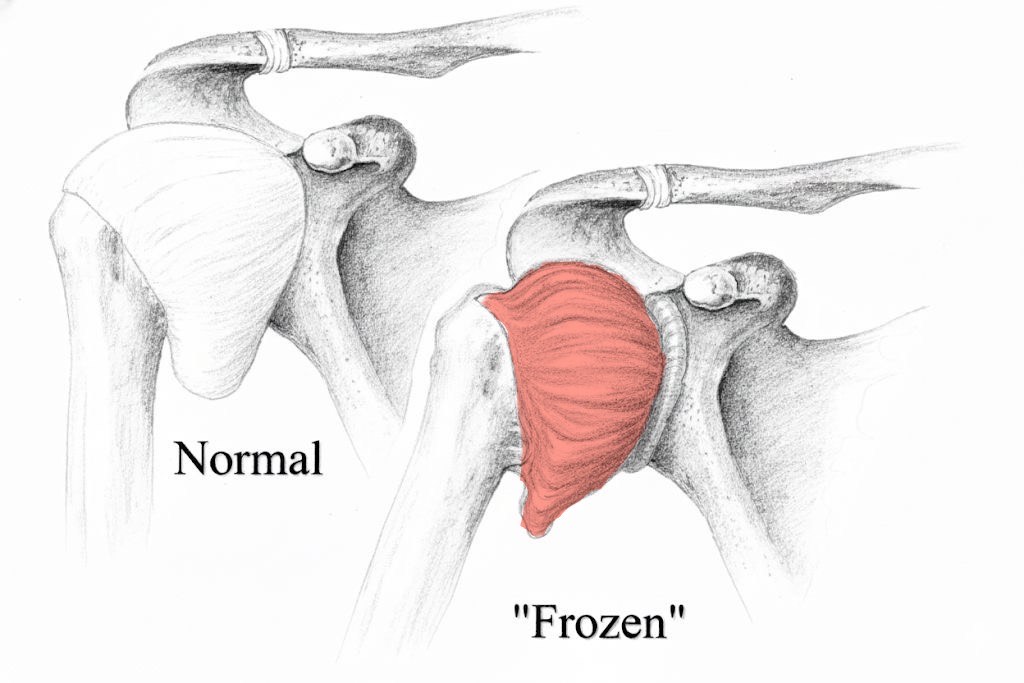
Because shoulder pain can stem from various issues, a proper diagnosis relies on a comprehensive clinical evaluation by a physiotherapist or physician. They will assess your mobility and rule out other underlying conditions. Here is what you can expect during a diagnostic examination for a frozen shoulder.
The Physical Examination
Before testing your limits, your doctor or physical therapist will conduct a baseline physical exam to look for physical clues.
Visual Inspection: The clinician will observe your shoulder and arm for any visible signs of muscle atrophy (wasting) or localized swelling.
Palpation: They will gently feel around your shoulder joint to identify specific areas of tenderness, inflammation, or structural tightness.
Special Diagnostic Tests
This is the core of a frozen shoulder diagnosis. Your practitioner will use specific movements to gauge your joint's restrictions.
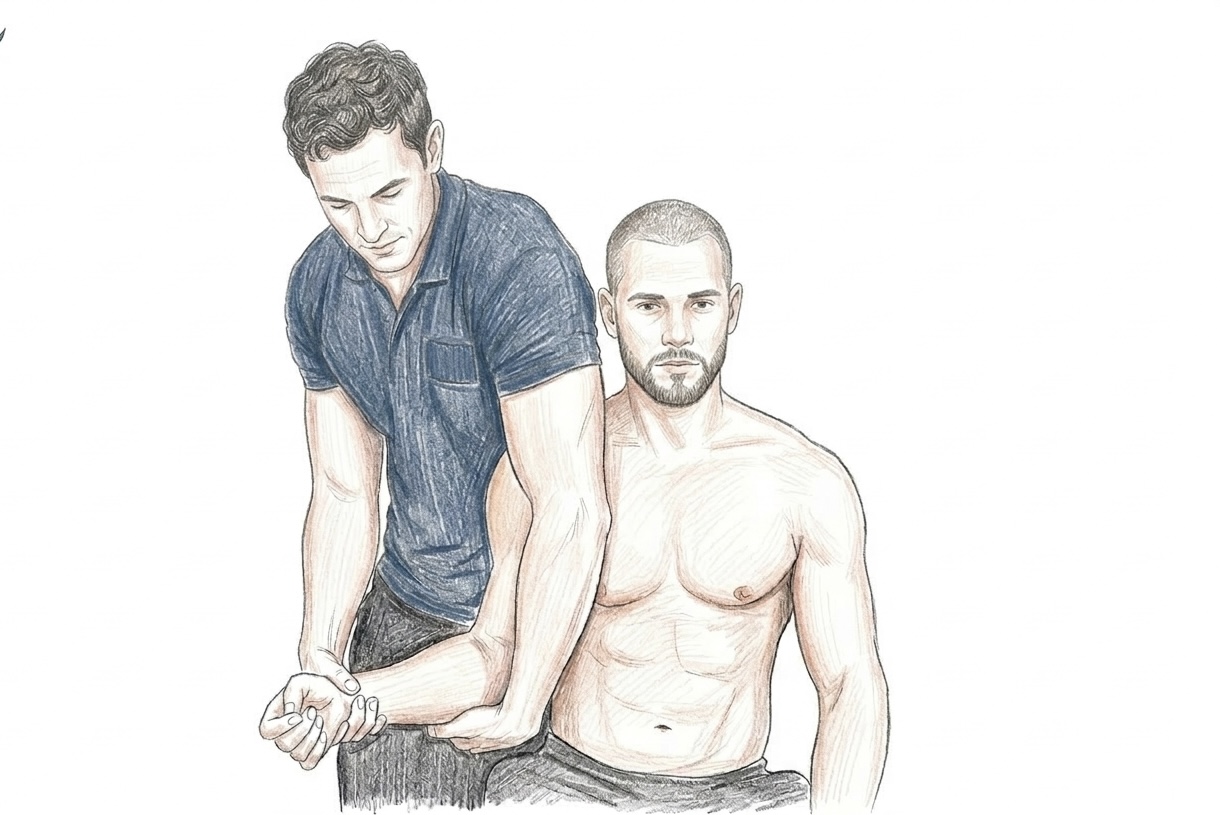
External Rotation Assessment: Often the most critical test. The clinician will gently rotate your forearm outward while keeping your elbow by your side and compare this movement to your healthy arm. A frozen shoulder is suspected if you have lost at least 50% of this outward rotation compared to your good side, or if you can rotate less than 30 degrees in total.
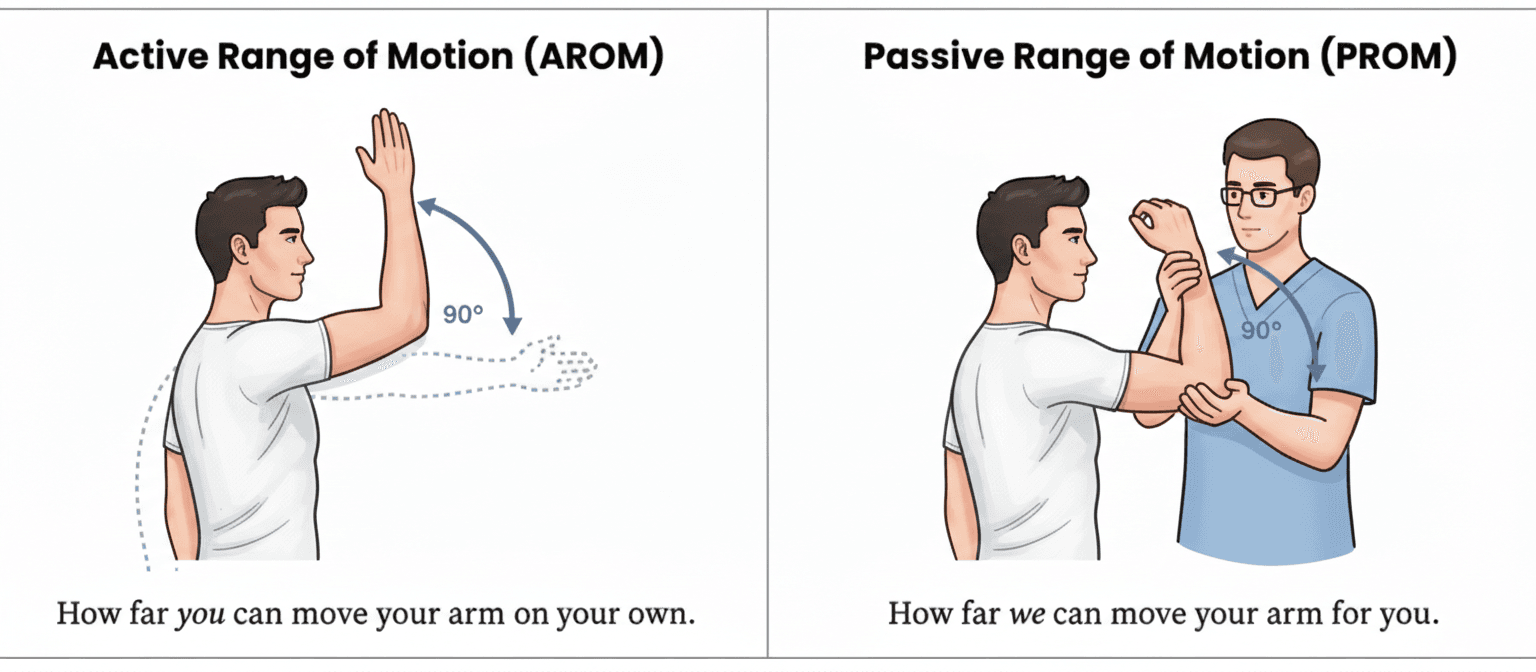
Range of Motion (ROM) Test: The therapist evaluates both Active ROM (how far you can move the arm entirely on your own) and Passive ROM (how far the therapist can move the arm while your muscles are completely relaxed). Comparing these motions helps pinpoint exact limitations within the joint capsule.
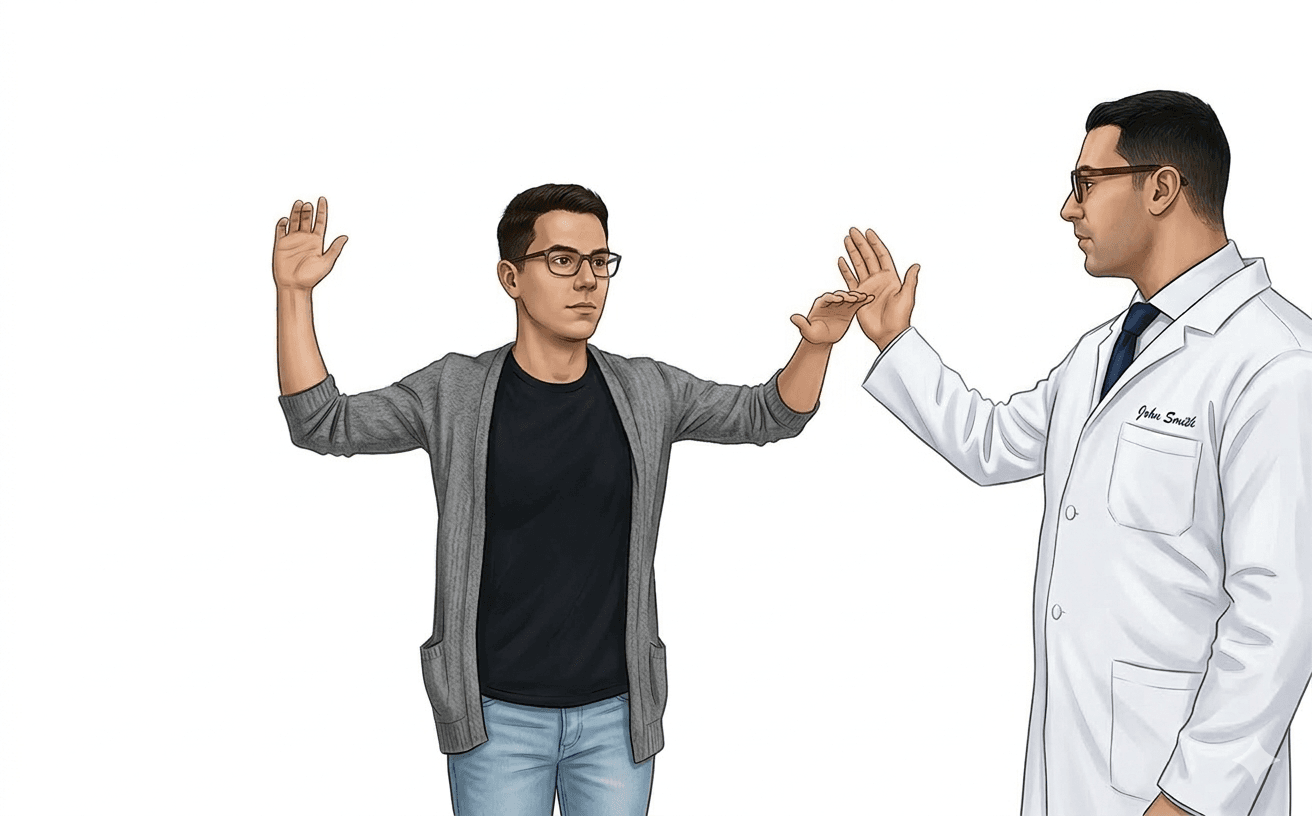
The I Surrender Test: In this clinical test, you will stand against a wall and attempt to place the back of your arms against it in a 90-degree "surrender" position. An inability to touch the wall with the affected arm is a strong confirmation of a frozen shoulder.
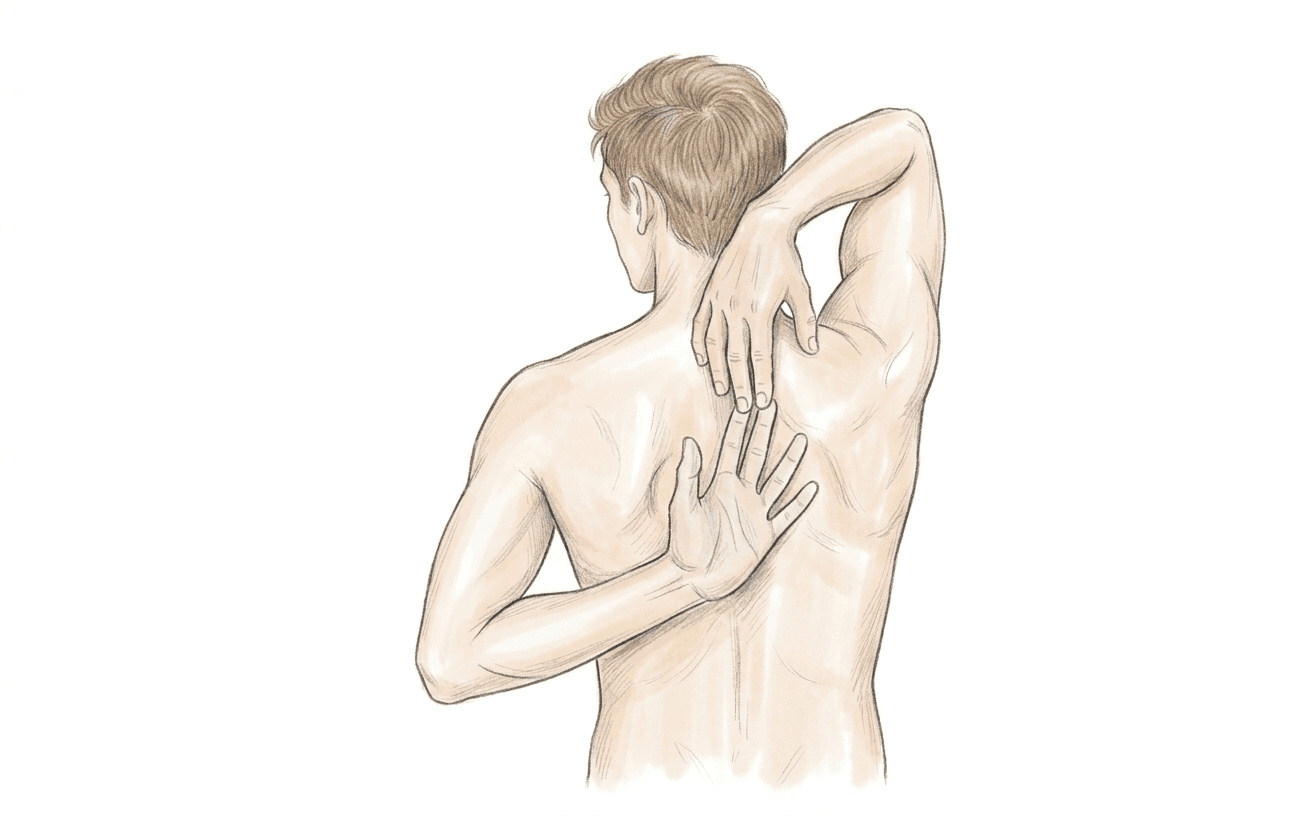
Apley's Scratch Test: The therapist will ask you to reach behind your lower back, and then reach over to touch behind your head. If pain, stiffness, or physical limitation prevents you from completing these motions, it indicates heavily restricted rotation and abduction.
Imaging Studies
While physical tests are usually enough to diagnose a frozen shoulder, imaging is often used to rule out other culprits.
X-ray: This is used to rule out bone-related issues like osteoarthritis, bone spurs, or fractures. In a typical case of frozen shoulder, your X-ray results will appear completely normal.
MRI or Ultrasound: These scans assess the soft tissues to rule out rotator cuff tears. They can also directly reveal the inflamed, thickened joint capsule that is the hallmark cause of a frozen shoulder.
Takeaway: If you suspect you have an early frozen shoulder, don't wait for it to completely lock up. Getting a professional diagnosis via these specific tests is the first step toward reclaiming your mobility and reducing your pain.