
Is your shoulder feeling more like a 'locked' door than a joint?
If you’ve noticed a gradual tightening that makes reaching for a seatbelt or washing your hair feel impossible often accompanied by a dull, nagging ache you may be experiencing Frozen Shoulder.
We’ll break down how we diagnose this stubborn condition and the specific physiotherapy strategies that can help you reclaim your mobility.
The Diagnostic Process
Medical History: We'll discuss your symptoms, their onset, severity, and any relevant medical conditions or past injuries.
Visual Inspection: We'll observe your shoulder and arm for any visible signs of atrophy or swelling.
Palpation: We'll gently feel around your shoulder joint to identify areas of tenderness or tightness.
Range of Motion Assessment: This is crucial. We'll measure both:
Active Range of Motion (AROM): How far you can move your arm on your own.
Passive Range of Motion (PROM): How far we can move your arm for you.
In frozen shoulder, both active and passive ranges of motion are significantly restricted, which helps differentiate it from other shoulder conditions where passive motion might be preserved (e.g., a rotator cuff tear).
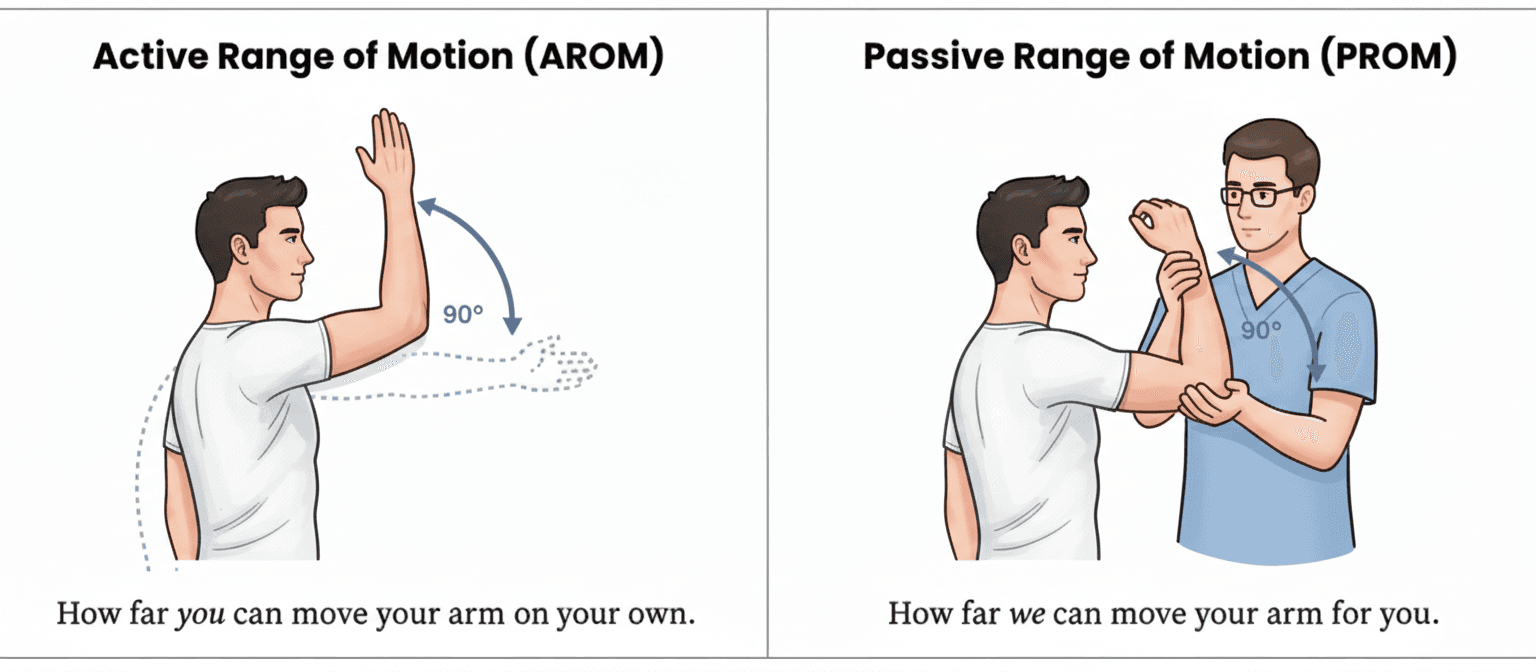
By comparing your active and passive movements, we can accurately diagnose frozen shoulder and develop a tailored treatment plan.
Effective Treatment Strategies for Frozen Shoulder
While frozen shoulder can resolve on its own, this process can take several years, often with persistent discomfort and functional limitation. With appropriate treatment, especially physiotherapy, recovery can be significantly accelerated and optimized.
Non-Surgical Interventions
The vast majority of frozen shoulder cases respond well to conservative management. These approaches focus on pain relief, reducing inflammation, and gradually restoring mobility.

Pain Management:
Ice or Heat Therapy: Applying ice packs can help reduce inflammation and pain, especially during the freezing stage. Heat packs can relax muscles and improve circulation.
Medications: Over-the-counter non-steroidal anti-inflammatory drugs (NSAIDs) like ibuprofen or naproxen can help manage pain and inflammation. Your doctor may prescribe stronger pain relievers if needed.
Corticosteroid Injections: An injection of corticosteroids into the shoulder joint capsule can significantly reduce pain and inflammation, providing a window for more effective physiotherapy.
Surgical Interventions (Less Common)
Surgery is typically reserved for cases that do not improve after a prolonged period of intensive conservative therapy (6-12 months). The goal is to release the tightened joint capsule and adhesions.
Manipulation Under Anesthesia (MUA): While you are unconscious, the surgeon forcibly moves your shoulder to break up scar tissue. This carries risks of fracture or further injury and is less commonly performed now.
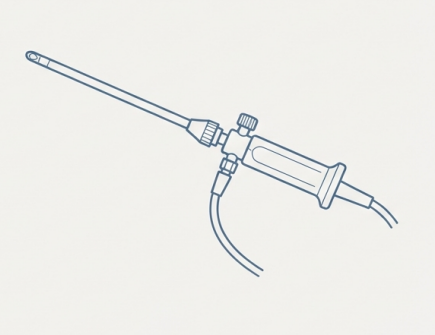
Shoulder Arthroscopy (Capsular Release): This minimally invasive procedure involves inserting a small camera and instruments through tiny incisions to cut away tightened portions of the joint capsule and scar tissue. This is often followed by immediate physiotherapy.
The Pivotal Role of Physiotherapy in Frozen Shoulder Recovery
Physiotherapy is the cornerstone of effective frozen shoulder treatment. A tailored physiotherapy program, guided by an experienced therapist, is crucial for pain relief, restoring mobility, and preventing recurrence. Our approach at [Your Clinic Name] is comprehensive, compassionate, and focused on your individual needs.
Our Physiotherapy Approach Includes:
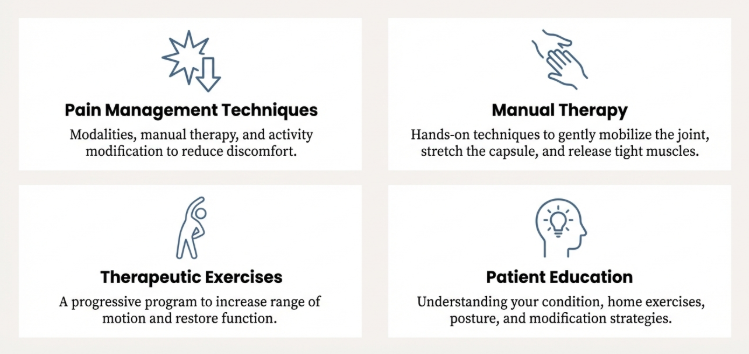
Pain Management Techniques: Utilizing modalities like manual therapy, targeted exercises, and advice on activity modification to reduce discomfort.
Manual Therapy: Hands-on techniques to gently mobilize the joint, stretch the capsule, and release tight muscles. This may include joint mobilizations, soft tissue massage, and specific stretching techniques.
Therapeutic Exercises: A progressive exercise program designed to gradually increase range of motion, improve strength, and restore function. These can be performed under supervision in our clinic and as a home exercise program. Key exercises include:
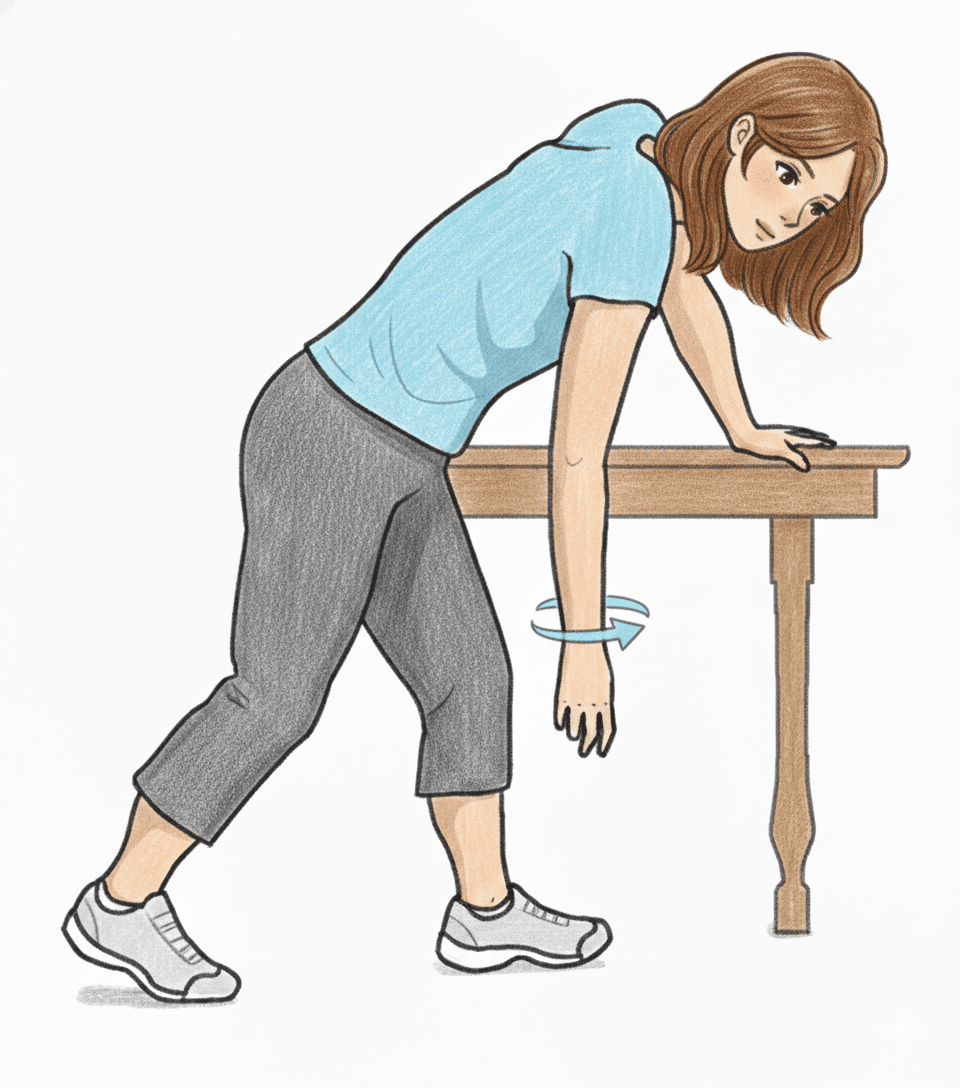
Pendulum Swings: Gentle, gravity-assisted movements to encourage blood flow and reduce stiffness.
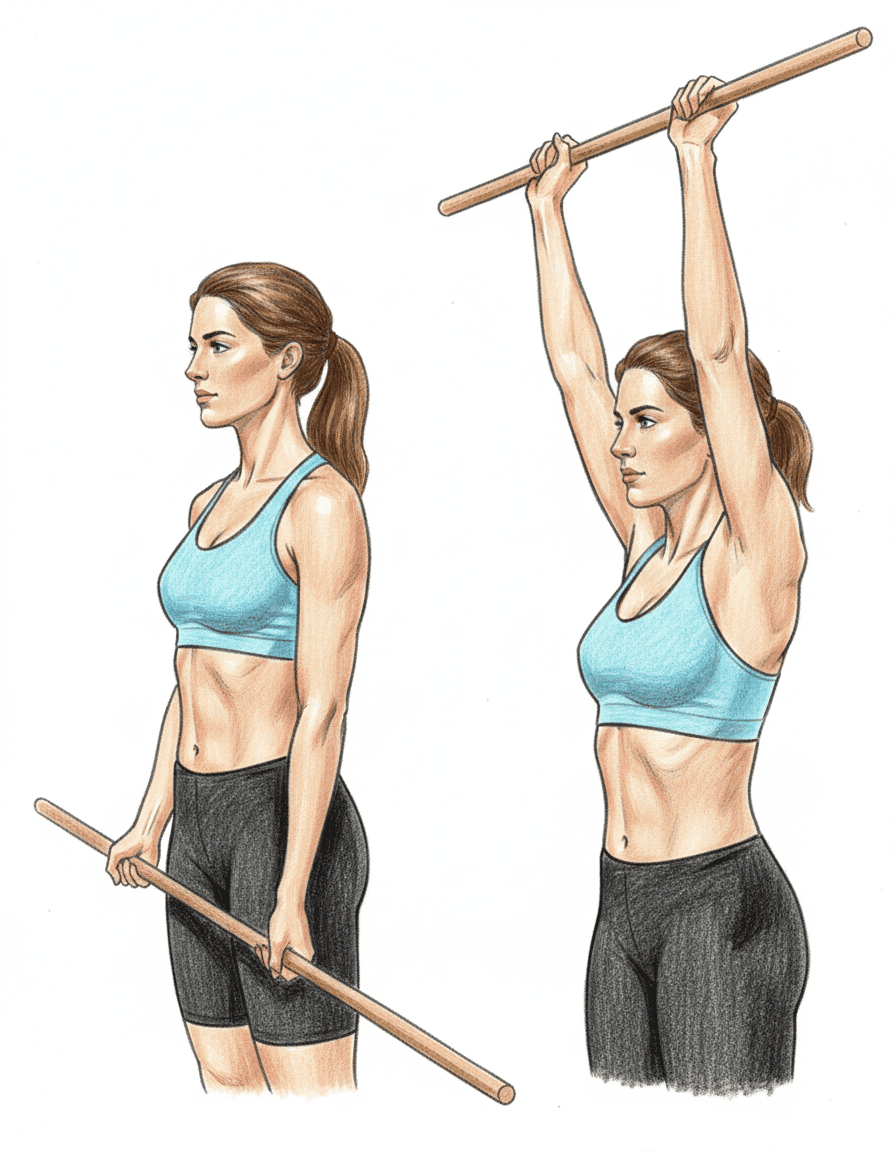
Wand Exercises: Using a stick or wand to assist the affected arm through a greater range of motion.
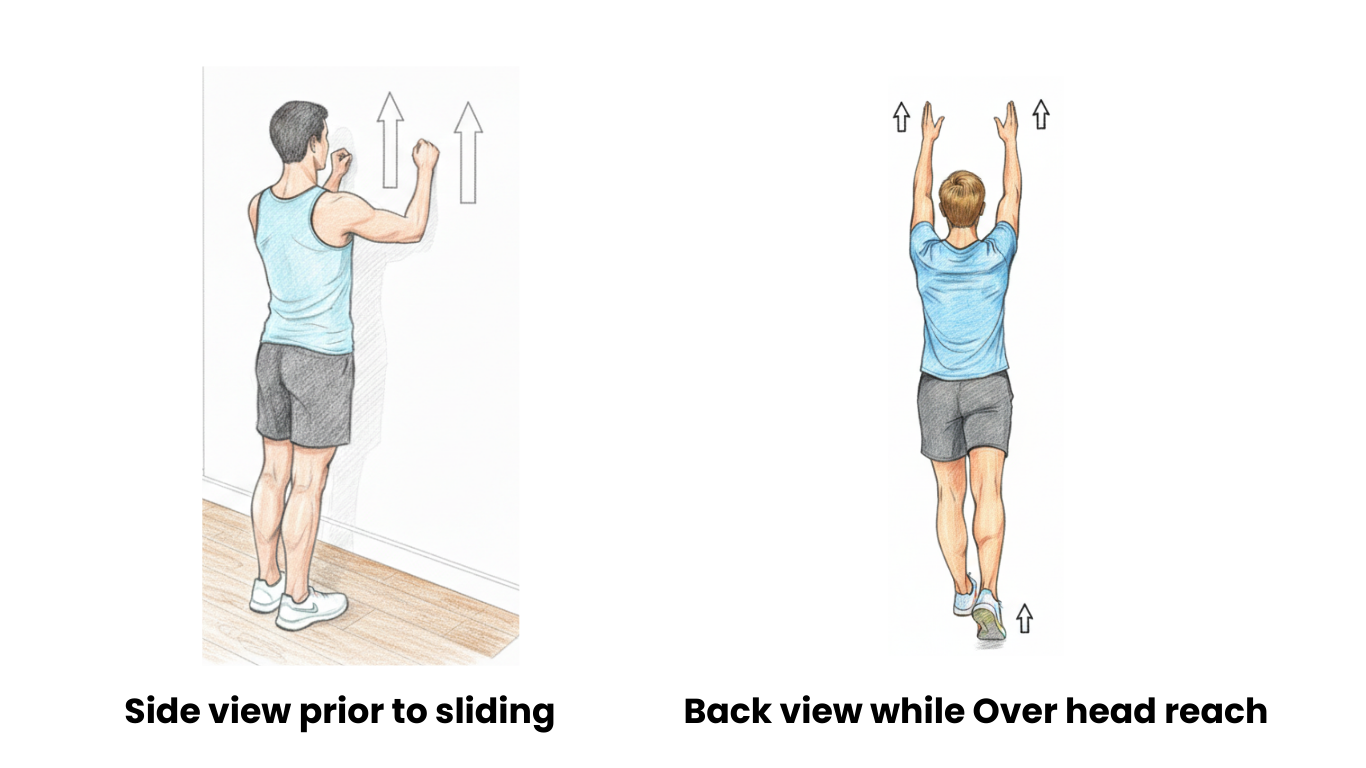
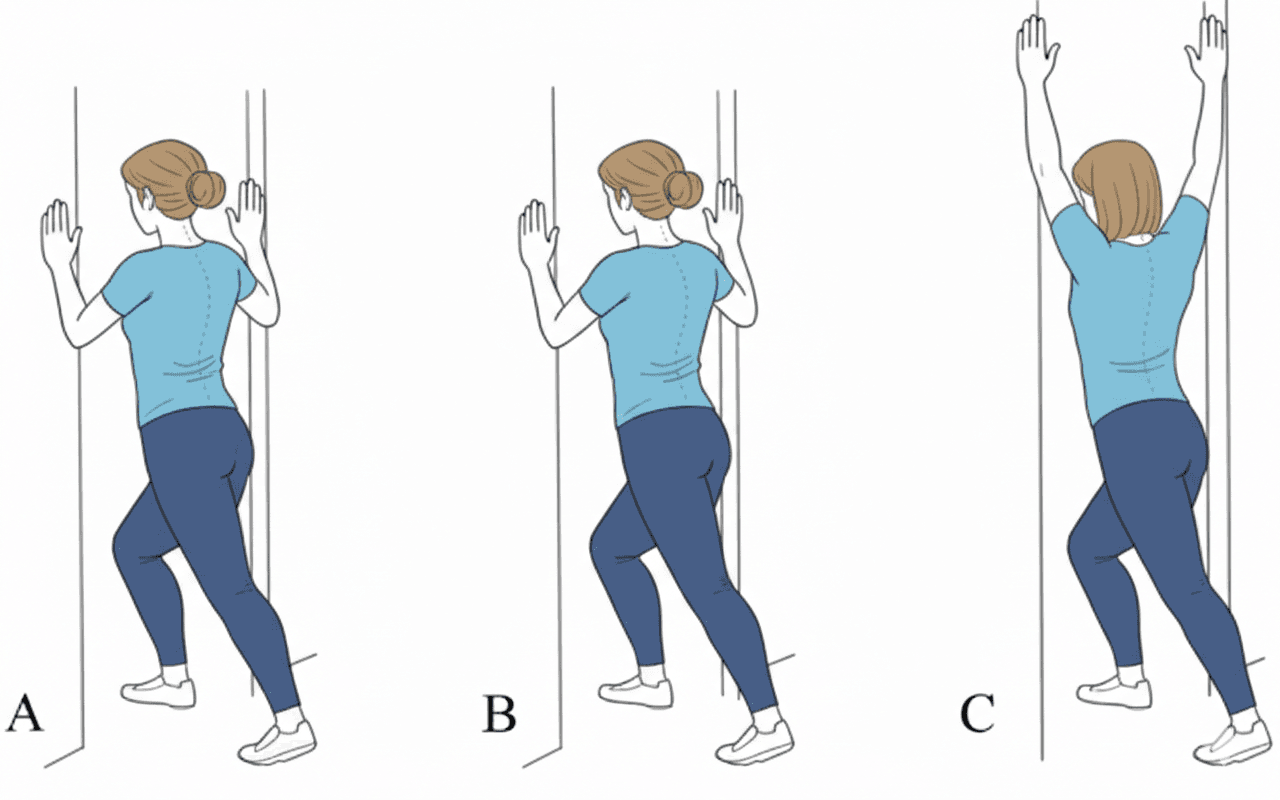
Wall Slides/Climbing: Using a wall to guide your arm upwards, gradually increasing overhead reach.
Stretching Techniques: Specific stretches to lengthen the contracted joint capsule and surrounding muscles. Examples include:
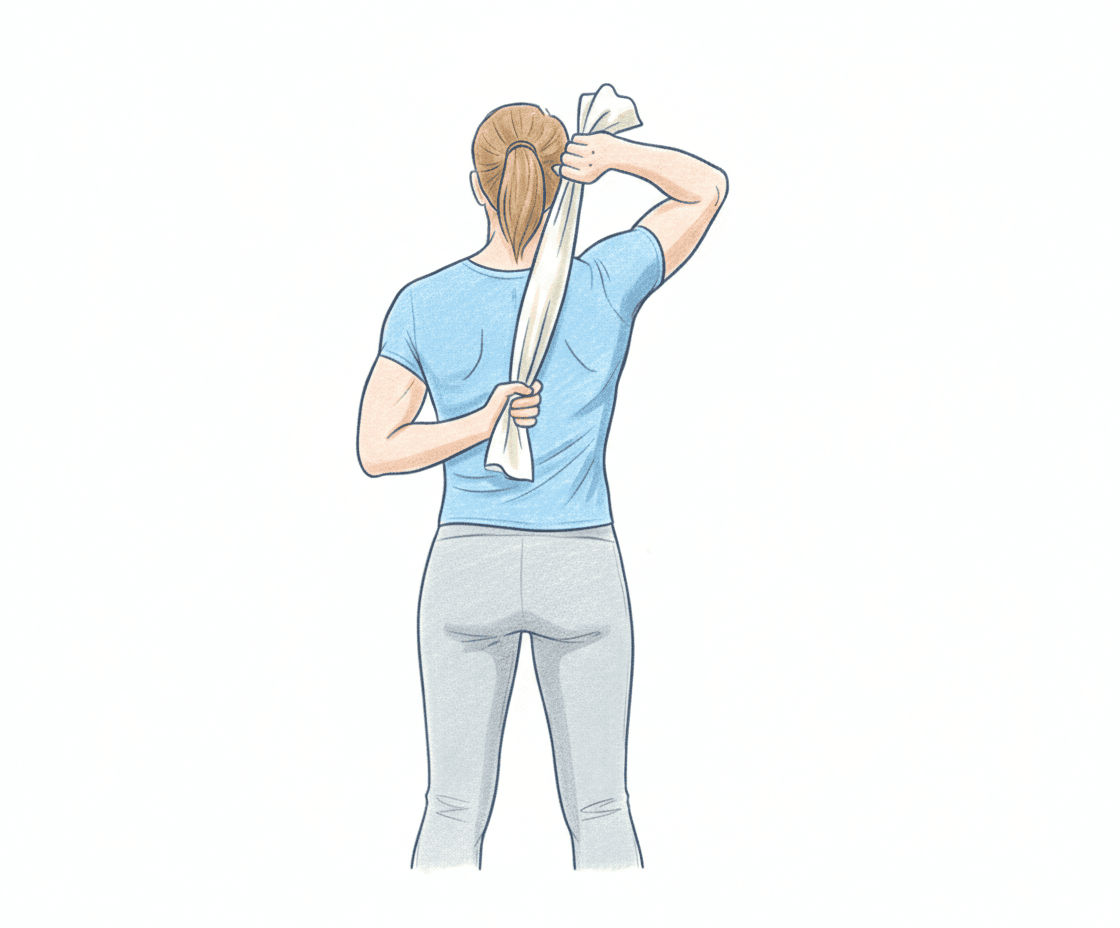
Towel Stretch: Using a towel behind your back to improve internal rotation.
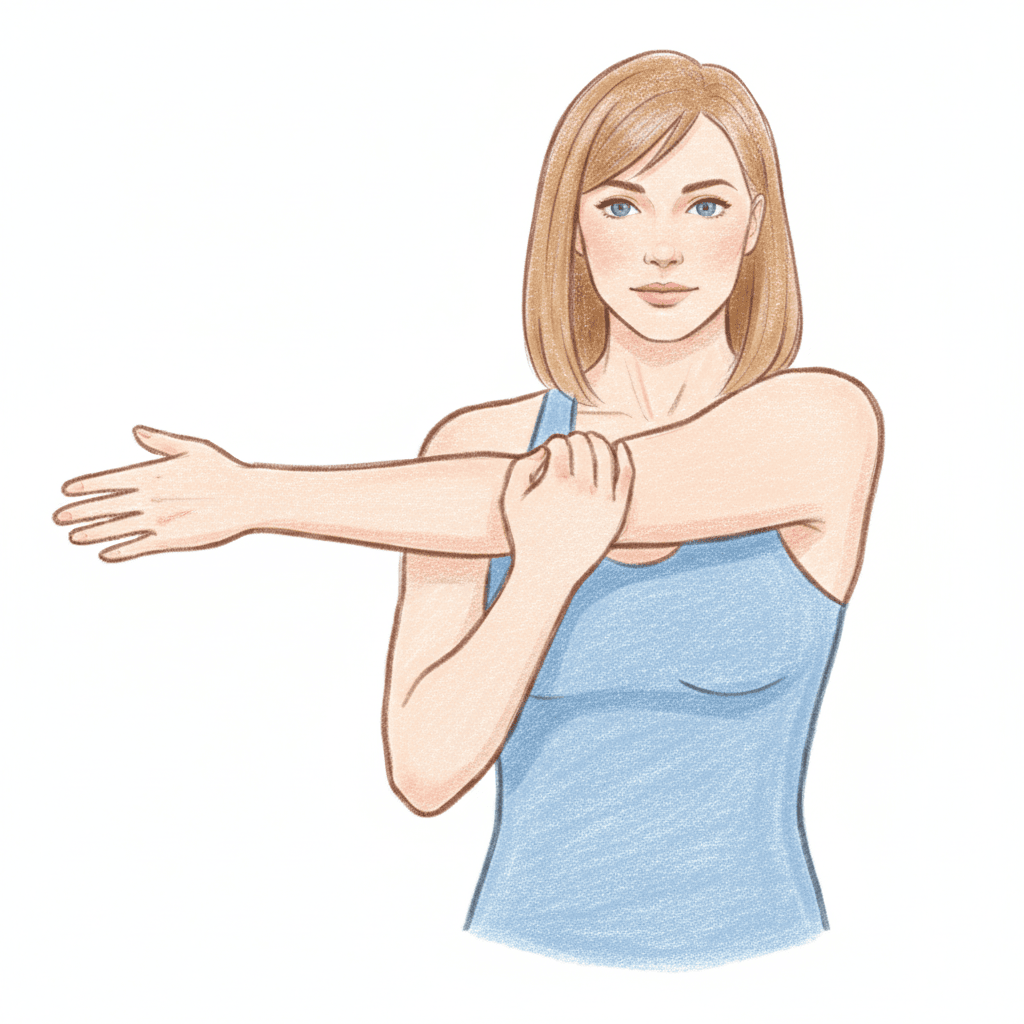
Cross-Body Stretch: Gently pulling your affected arm across your body with your other arm.
Doorway Stretch: Leaning into a doorway to stretch the anterior shoulder muscles and capsule.
Strengthening Exercises: Once mobility improves, gentle strengthening exercises are introduced to stabilize the shoulder and prevent future problems.
Patient Education: Understanding your condition, optimal home exercise techniques, posture correction, and activity modification strategies.
A Sample Home Exercise Program (Always Consult Your Physiotherapist First)
Exercise | Description | Sets | Reps (Hold) | Frequency |
|---|---|---|---|---|
Pendulum Swings | Lean forward, letting affected arm hang freely. Gently swing arm back and forth, side to side, and in small circles. | 3 | 10-15 swings in each direction | 2-3 times daily |
Wand Flexion | Lie on your back, holding a stick/wand with both hands. Use your good arm to lift the affected arm overhead as far as comfortable. | 3 | 10-15 repetitions | 1-2 times daily |
Wand External Rotation | Stand or sit, elbows bent at 90 degrees, holding wand horizontally. Use good arm to push the affected arm outwards, rotating it away from your body. Keep elbows tucked in. | 3 | 10-15 repetitions | 1-2 times daily |
Towel Stretch (Internal Rotation) | Hold a towel behind your back with both hands, hands pointing towards each other. Gently pull the bottom hand upwards with the top hand to stretch the affected shoulder. | 3 | Hold 20-30 seconds | 1-2 times daily |
Cross-Body Arm Stretch | Bring affected arm across your chest. Use your good arm to gently pull it closer to your body, stretching the back of your shoulder. | 3 | Hold 20-30 seconds | 1-2 times daily |
Wall Slides (Flexion) | Face a wall, place hands on the wall. Slowly slide hands up the wall, raising your arms as high as comfortable without pain. | 3 | 10-15 repetitions | 1-2 times daily |
Important: Stop any exercise if it causes sharp or increasing pain. Always consult your physiotherapist for a personalized exercise program.
When to Seek Professional Help
If you suspect you have a frozen shoulder, or are experiencing persistent shoulder pain and stiffness, it's essential to seek professional assessment. Early intervention can significantly impact your recovery trajectory.
Contact Professionals if you experience:
Progressive pain and stiffness in your shoulder that limits daily activities.
Difficulty reaching overhead, behind your back, or across your body.
Pain that worsens at night and interferes with sleep.
Symptoms that do not improve with rest or over-the-counter pain relievers.