Supine Straight Leg Raise
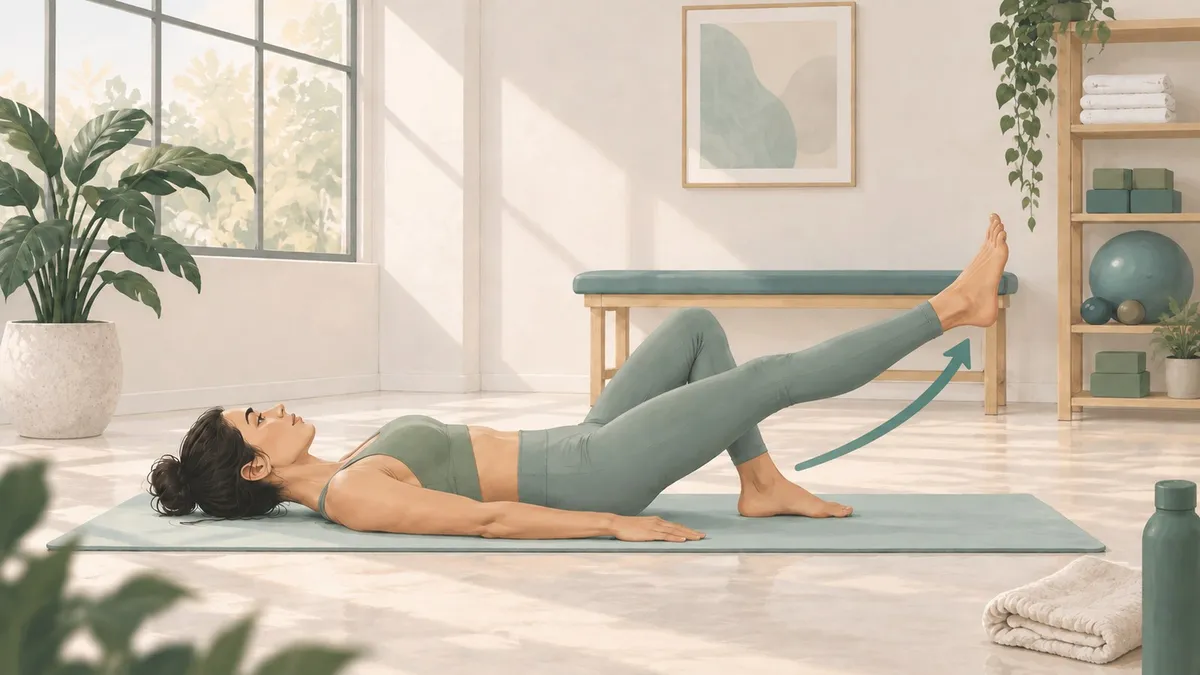
The Supine Straight Leg Raise (SLR) is a fundamental, closed chain like therapeutic exercise designed to isolate and strengthen the anterior thigh and hip musculature without placing excessive shear force on the knee joint.
How to Perform
 1
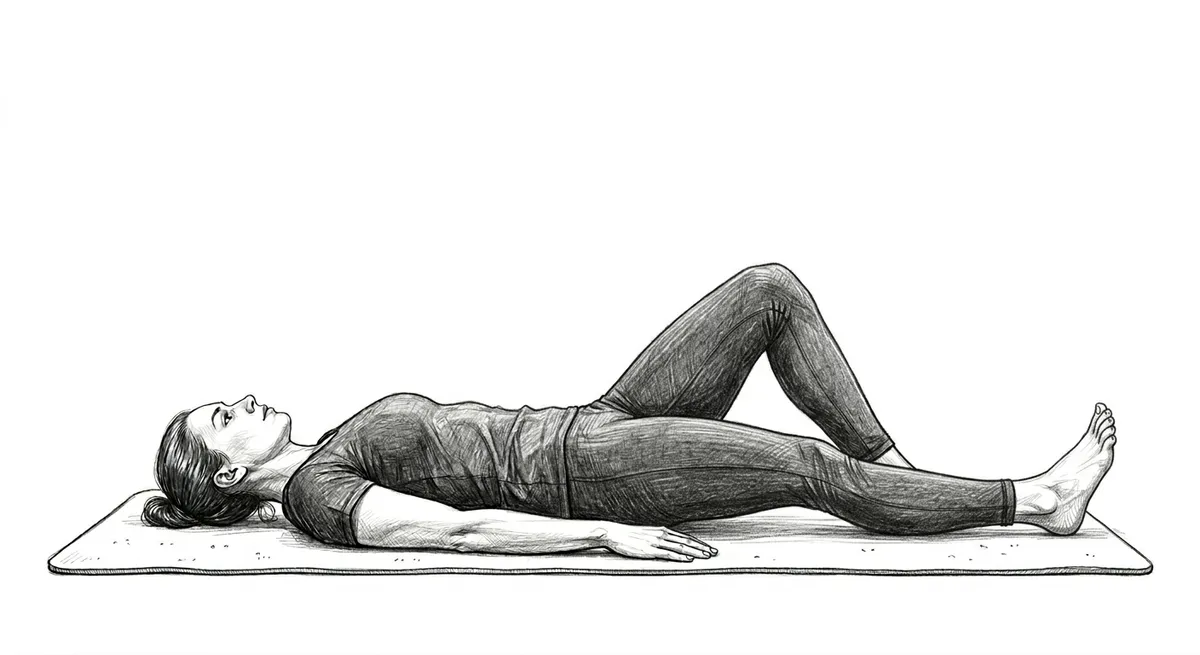
1Lie on your back, bend unaffected knee and place that foot flat on the floor to stabilize the lower back.
 2⏱ Hold 10s
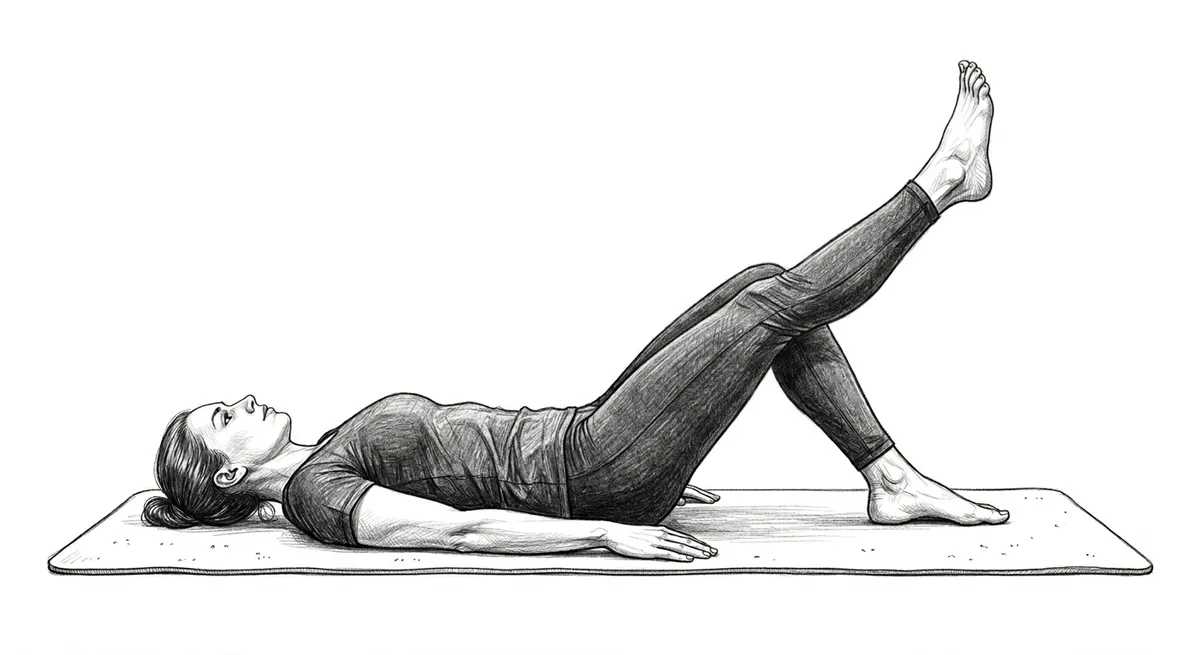
Slowly lift the affected leg to about 12 -18 inches off the ground or until it aligns with the bent knee.Then hold the leg at the top for 10seconds
 3
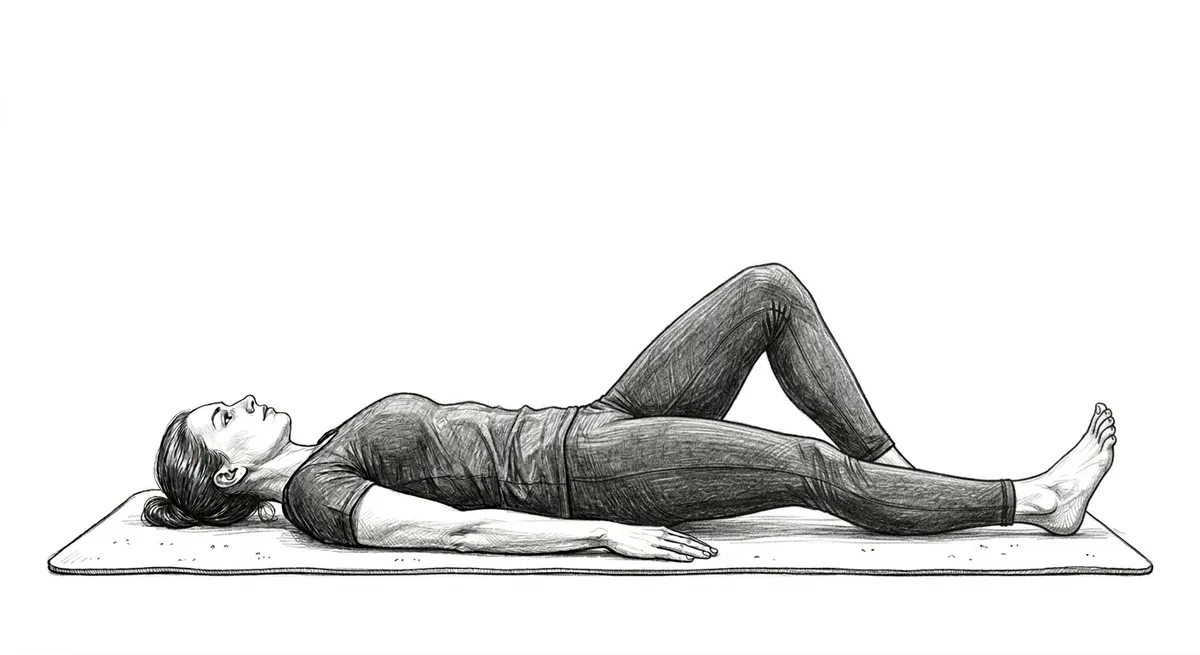
3Then slowly lower it back to the starting position.Repeat this exercise 5 times.
🔁 Repeat this exercise 5 times
Muscles Targeted
This one is special because it crosses both the hip and knee, it is the one of the muscle of quadriceps Femoris group
Transverse abdominis and obliques (working to keep the pelvis neutral and spine flat).
Outer thigh, it is the one of the muscle of quadriceps Femoris group
Inner thigh or tear-drop muscle, it is the one of the muscle of quadriceps Femoris group
Deep muscle under the rectus femoris, it is the one of the muscle of quadriceps Femoris group
Helpful For
A staple protocol following ACL reconstruction, meniscus repairs, and Total Knee Arthroplasty (TKA).
Helps strengthen the quad complex to improve patellar tracking without aggravating the joint.
Builds supporting muscle strength to offload joint stress.
Excellent for reversing muscle wasting following immobilization.
Benefits
- Joint Friendly Strengthening: It effectively targets the quadriceps and hip flexors without requiring knee flexion under load, making it highly safe for compromised knee joints.
- Core Activation: The movement requires the core muscles to engage to stabilize the pelvis and prevent the lower back from arching
- Neuromuscular Control: Helps re-establish the mind-muscle connection with the quadriceps, particularly the rectus femoris, after injury or periods of immobility.
Precautions
- Watch the Lower Back: The lower back should not arch off the floor at any point. If it does, the core is disengaged, and undue stress is being placed on the lumbar spine.
- Control the Height: Do not lift the straight leg higher than the bent knee. Lifting too high shifts the effort away from the target muscles and alters pelvic alignment.
- Avoid Momentum: The movement must be slow and controlled. Swinging the leg up uses momentum rather than muscle strength and can risk strain.
- Maintain Knee Extension: Ensure the knee of the lifting leg remains perfectly straight throughout the entire range of motion to properly recruit the quadriceps.
Helps With

Need Professional Help?
Book a consultation to get personalized treatment advice for your condition.
Book on Instagram