
Back to Exercises
Warm-up
Shoulder shrug
The shoulder shrug is a targeted isolation exercise designed to strengthen the upper back and neck. It involves elevating the shoulder girdle against resistance usually dumbbells, a barbell, or cables while keeping the arms completely straight.
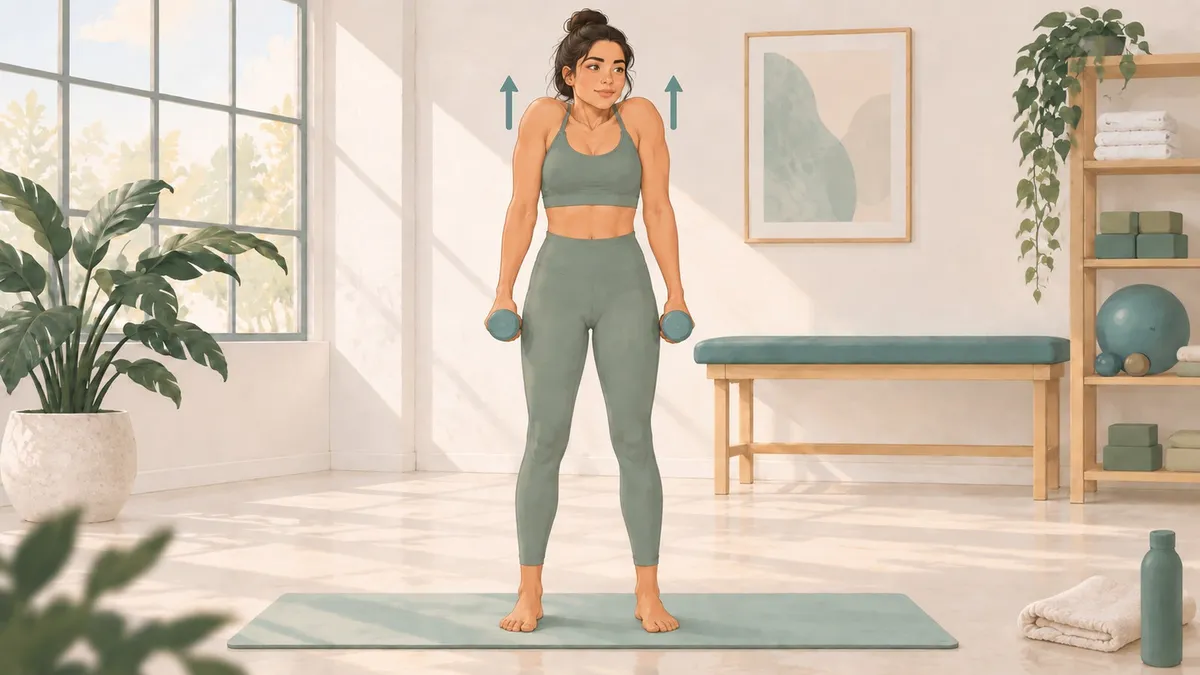
How to Perform
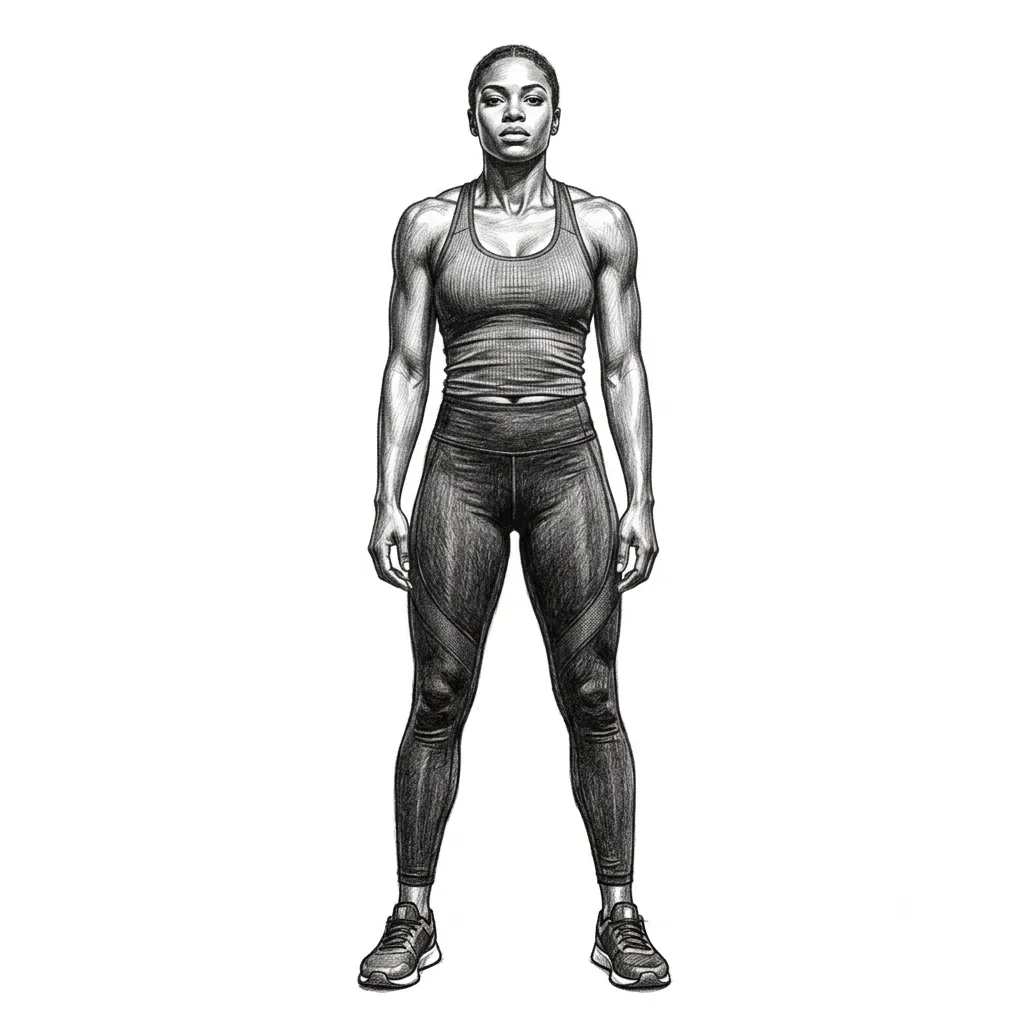 1
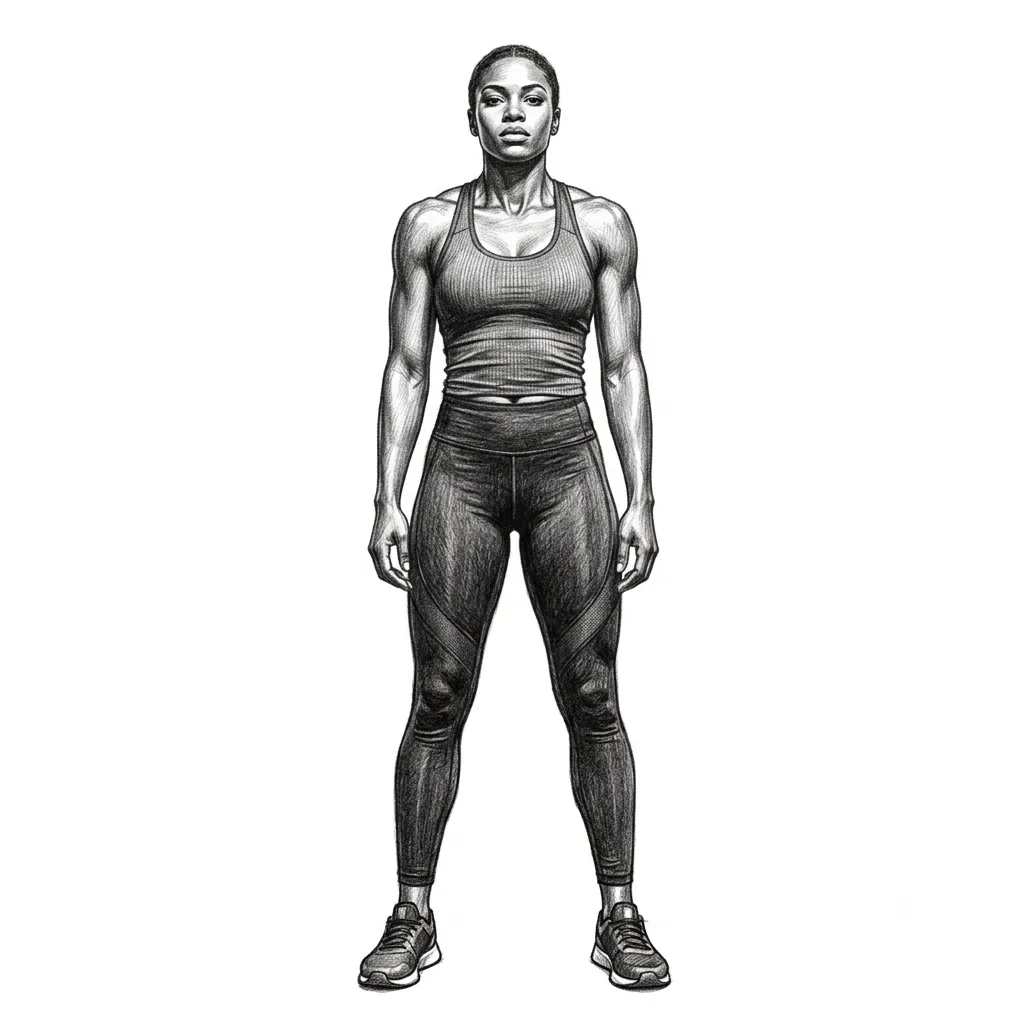
1Stand tall with your feet shoulder-width apart, letting your arms hang relaxed and straight by your sides.
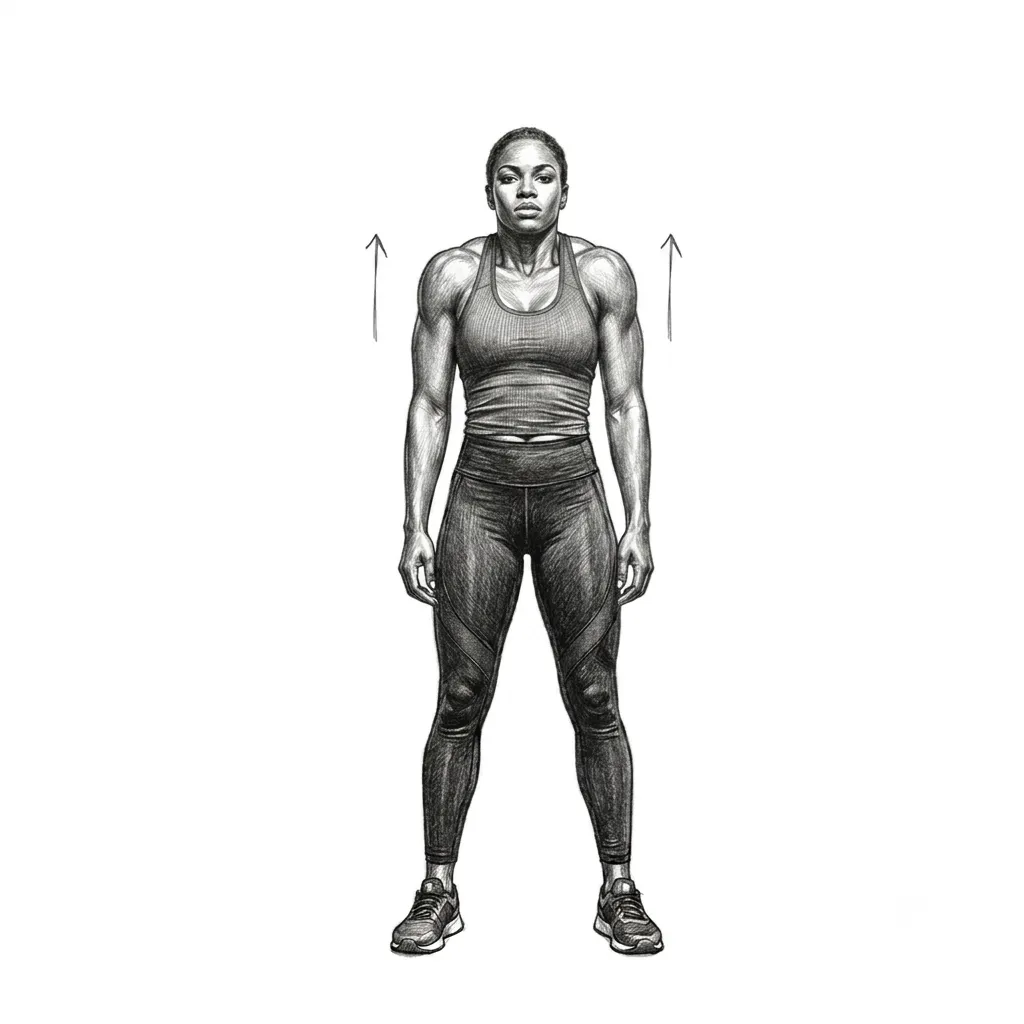 2
2Lift straight up by driving your shoulders toward your ears,keep your neck neutral and do not bend your elbows.
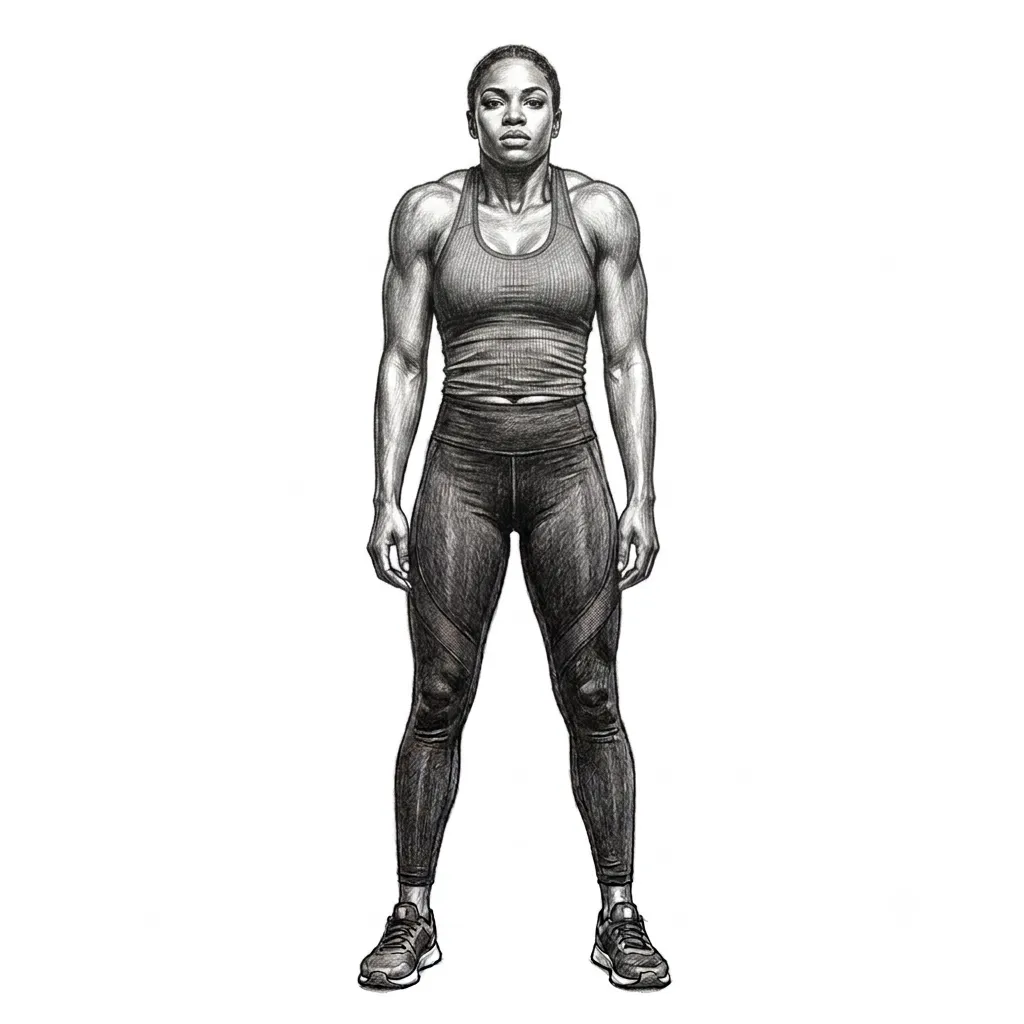 3⏱ Hold 10s
Squeeze your shoulder muscles hard at the top position for a brief pause for 10 seconds.
 4
4Lower your shoulders slowly and with control back to the relaxed starting position.
🔁 Repeat this exercise 5 times
Muscles Targeted
Upper Trapezius
The large, triangle-shaped muscle spanning from the base of your skull down your neck and out to your shoulders.
Levator Scapulae
Located at the back and side of the neck; assists in lifting the shoulder blade
Middle Trapezius
Upper and mid-back stabilizers.
Forearm Flexors
Engaged constantly to grip the weight.
Rhomboids
Upper and mid-back stabilizers.
Helpful For
Cervical Postural Syndrome
Counteracts the forward-head and rounded-shoulder posture resulting from prolonged desk work or device usage.
Chronic Neck Pain and Stiffness
Gentle shrugs help improve blood flow, reduce muscular tension, and restore mobility in the neck and upper back.
Whiplash Recovery
Used in the later stages of rehab to safely rebuild strength and stability in the muscles supporting the cervical spine.
Scapular Dyskinesis (Improper Shoulder Blade Movement)
Helps retrain the shoulder blades to track correctly, which is vital for patients recovering from rotator cuff injuries or shoulder impingements.
Benefits
- Improves Posture: Strengthens the muscles responsible for holding the shoulder blades back and up, combating the physical effects of slouching.
- Builds Upper Body Strength: Creates a stronger foundation for complex compound lifts like deadlifts, rows, and overhead presses.
- Enhances Neck Stability: A stronger upper back and neck can help absorb physical impact and reduce everyday neck tension.
- Increases Grip Strength: Holding heavy weights for the duration of a shrug set significantly challenges and builds your forearm and grip strength.
Precautions
- No Shoulder Rolling: Move the weights strictly straight up and straight down if using. Rolling your shoulders in a circular motion while holding heavy weights can grind the shoulder joints and lead to rotator cuff strain.
- Keep the Neck Neutral: Look straight ahead. Do not jut your chin forward or tuck it down into your chest, as this places dangerous stress on your cervical spine.
- Don't Bend the Elbows: Bending your arms shifts the work away from your back and into your biceps. Let your arms hang like straight hooks.
- Avoid Excessive Weight: Using too much weight often leads to a shortened range of motion or using momentum (bouncing) to lift the weight, which reduces the effectiveness of the exercise and increases your risk of injury.
Related Articles
Need Professional Help?
Book a consultation to get personalized treatment advice for your condition.
Book on Instagram