
Does taking your first step out of bed in the morning feel like stepping on a nail? If severe heel pain is making your mornings miserable, you are likely dealing with Plantar Fasciitis.
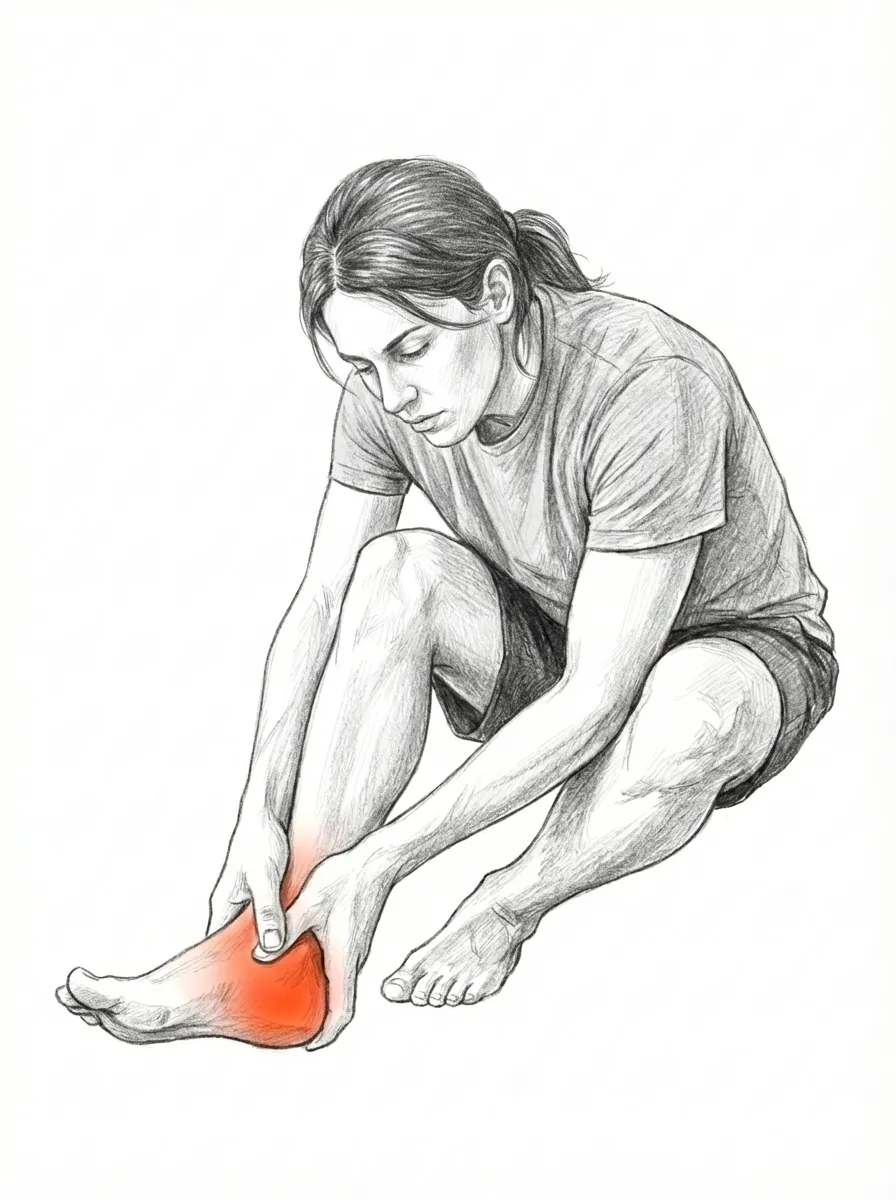
This comprehensive guide breaks down exactly what causes this debilitating condition, how to test for it at home, and the proven physiotherapy strategies you can use to recover and reclaim your mobility.
What is Plantar Fasciitis?
Plantar fasciitis is characterized by the inflammation and irritation of the plantar fascia a thick, fibrous band of connective tissue that runs along the bottom of your foot, connecting your heel bone (calcaneus) to your toes.
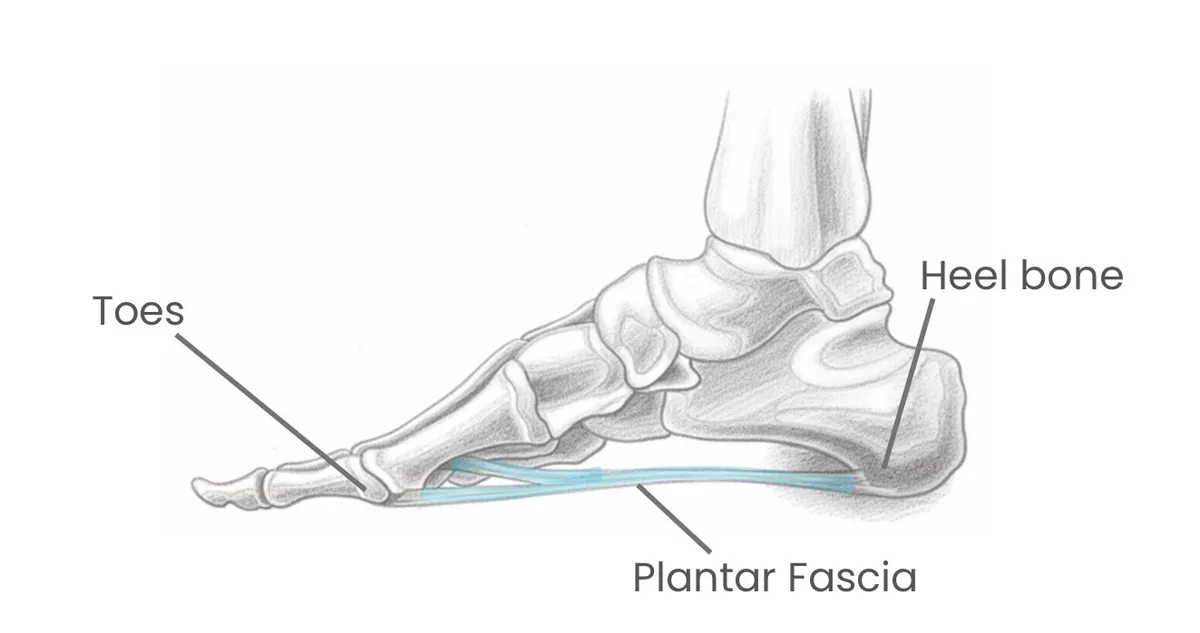
This crucial tissue plays a vital role in foot biomechanics. It acts as a primary shock absorber during weight-bearing activities and maintains the longitudinal arch of your foot. When the plantar fascia is subjected to repetitive stress, it can develop microscopic tears and degenerative changes, resulting in sharp, localized pain and severe difficulty walking.
Common Causes and Risk Factors
Plantar fasciitis rarely stems from a single traumatic injury. Instead, it develops gradually due to cumulative, repetitive overload on the tissue. The primary culprits include:
Prolonged Standing: Spending long hours standing or walking on hard surfaces heavily stresses the fascia. This is highly prevalent in occupational demographics such as teachers, nurses, retail workers, and police officers.
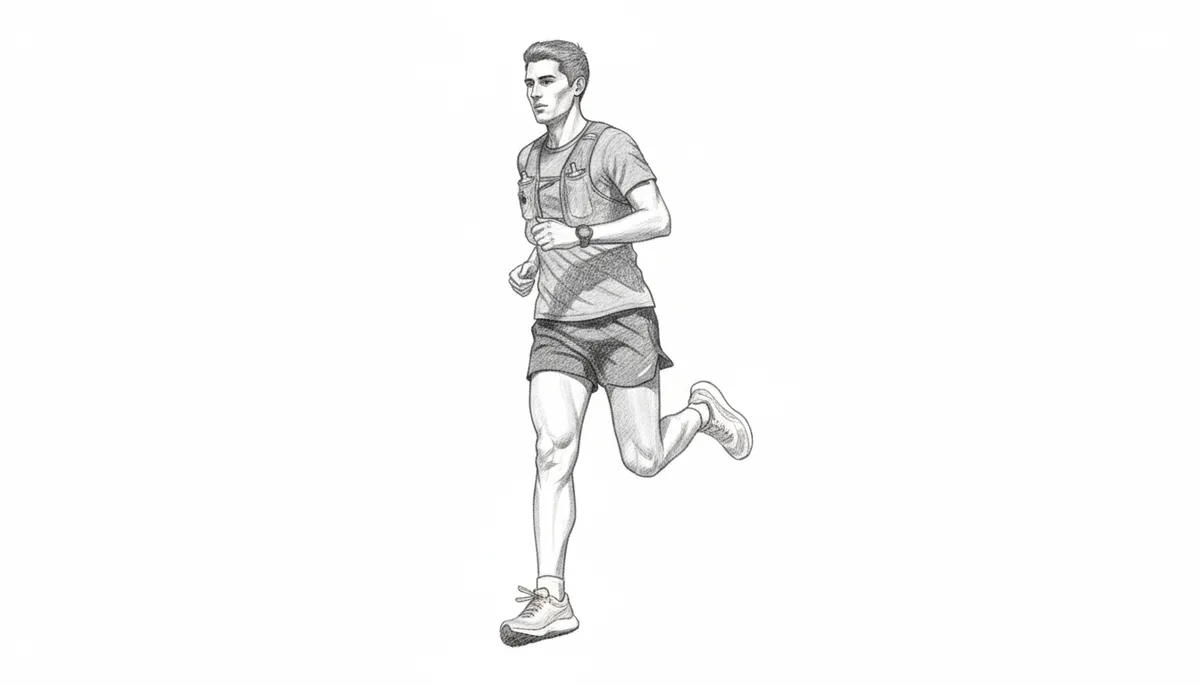
Sudden Spikes in Activity: A rapid increase in the volume or intensity of high impact activities (like running or jumping) without adequate warm ups or conditioning forces the tissue to take on loads it isn't prepared for.
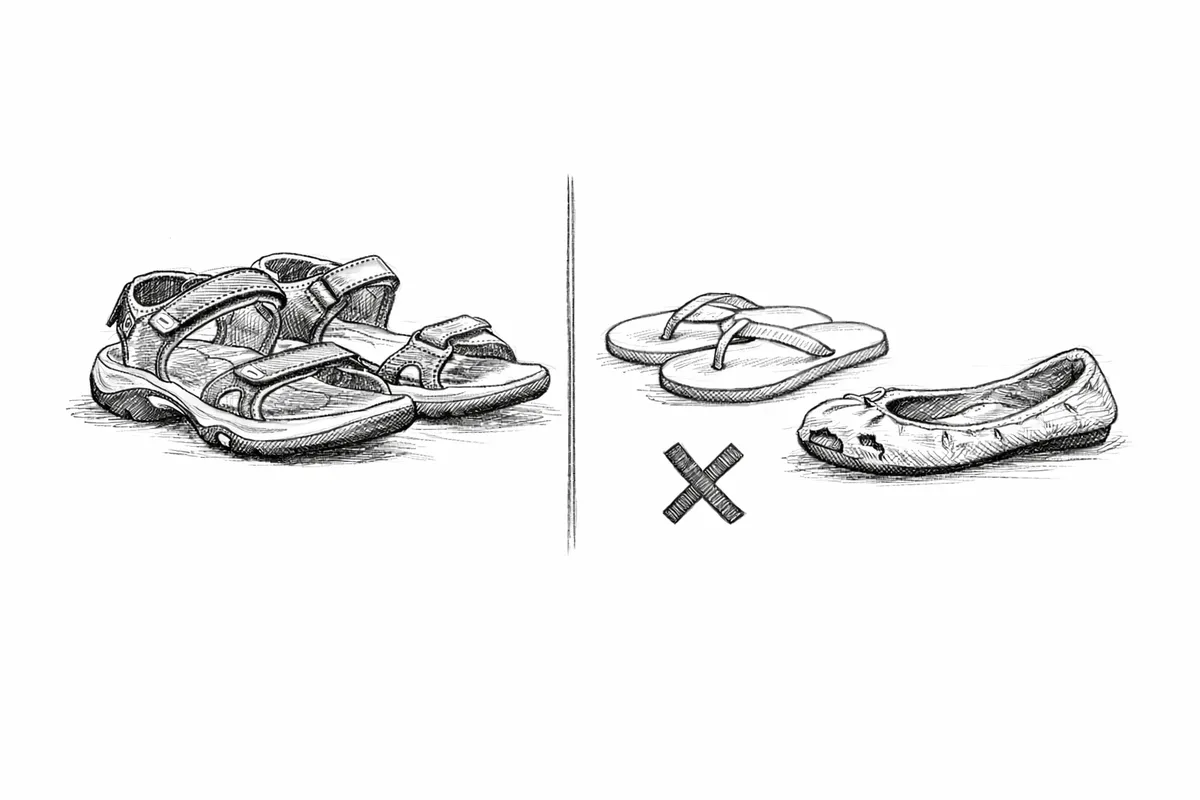
Improper Footwear: Consistently wearing shoes lacking adequate arch support and shock absorption or frequently wearing high heels alters foot mechanics and places excess strain on the plantar fascia.
Key Signs and Symptoms
How do you know if your heel pain is plantar fasciitis?
Look for these classic clinical presentations:
First-Step Pain: A sharp, stabbing pain in the heel during the first few steps in the morning.
Post-Rest Stiffness: Pain that returns after standing up following prolonged periods of sitting or bed rest.
Activity-Induced Aches: Pain that worsens after (rather than during) a long period of standing or walking, especially on hard surfaces.
The Warm-Up Effect: Symptoms that temporarily ease as the tissue warms up with light movement.
The 3-Step Plantar Fasciitis Self-Assessment
While this at-home test is a strong indicator, it does not replace a professional clinical diagnosis from a physiotherapist or physician.
Sit down comfortably and cross the affected leg over your opposite knee so you can easily reach your bare foot.
Use one hand to gently grasp your big toe and pull it backward, pointing it toward your shin. You should feel the tissue along the arch of your foot become tight and prominent.
While holding the toe stretched back, use your other thumb to press firmly into the bottom of your heel bone (where the arch meets the heel).
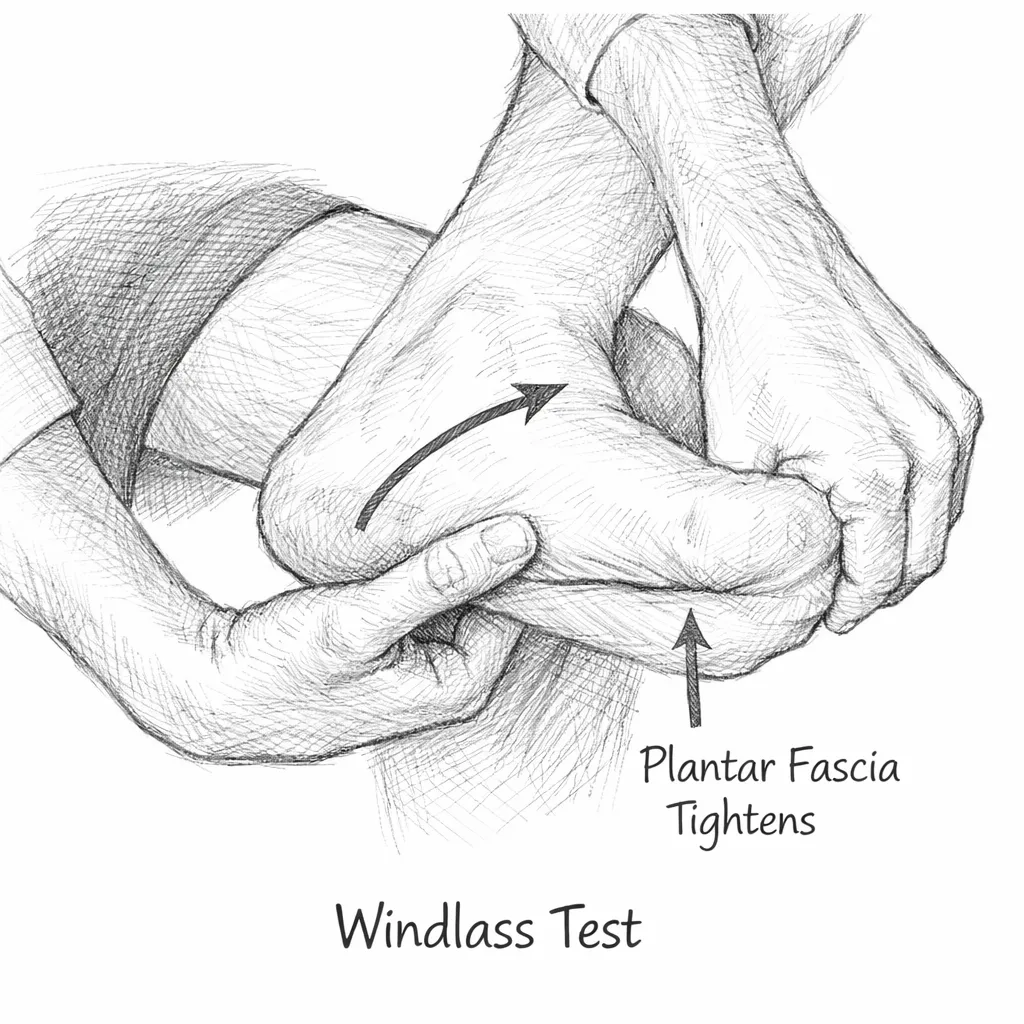
The Result: If pressing on this specific area triggers a sharp, familiar pain, it is a strong warning sign that your plantar fascia is inflamed.
Evidence-Based Treatment Protocol
The good news? Over 90% of plantar fasciitis cases resolve successfully with conservative management, activity modification, and targeted physiotherapy exercises.
Activity Modification (Active Rest)
Complete bed rest is highly discouraged, as your tendons and fascia require gradual, controlled loading to heal properly. Instead, focus on active rest:
Minimize aggravating factors: Temporarily reduce prolonged standing and high-impact activities. Avoid walking barefoot, especially first thing in the morning when the fascia is most vulnerable.
Optimize your footwear: Wear supportive, cushioned shoes from the moment you get out of bed. Discard worn-out athletic shoes and avoid overly flat soles.
The Progressive Exercise Plan
Follow this phased rehabilitation protocol to relieve pain, restore flexibility, and build resilience in your foot's arch.
Exercise | How to Do It | How Often |
|---|---|---|
Roll the bottom of your foot over a frozen water bottle. | 10 slow rolls, 5 times. | |
Morning Stretch | Cross your foot over your knee and pull your toes back toward your shin. | Hold 10 seconds, 5 times. |
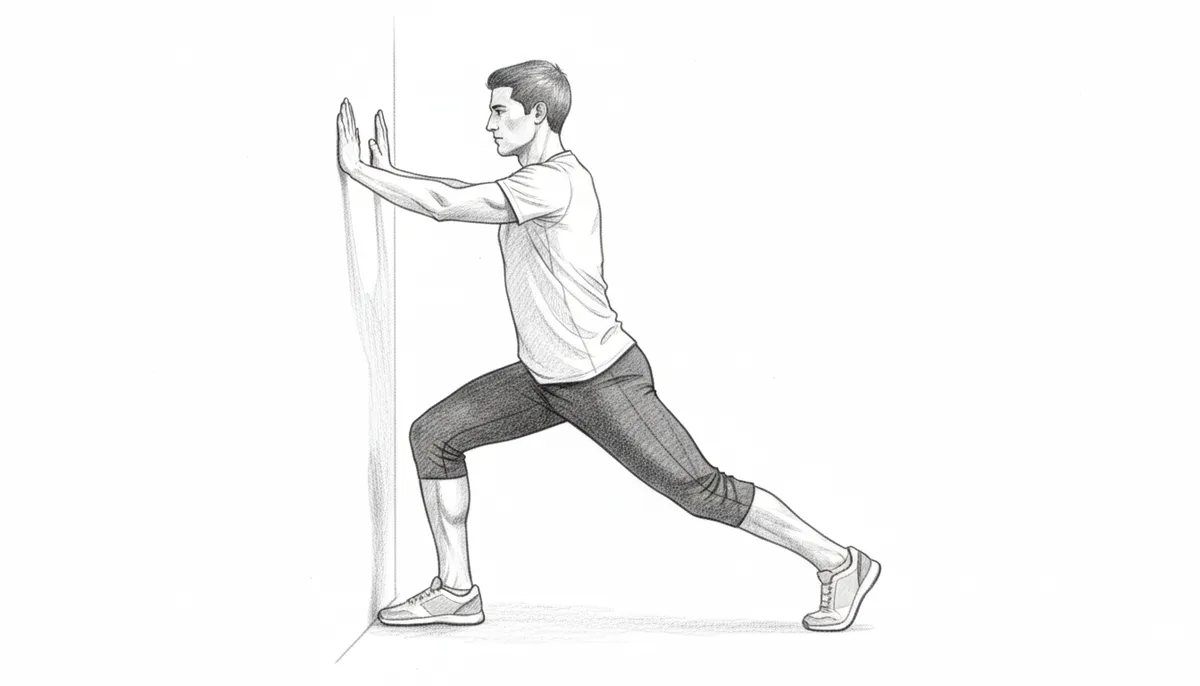
Put hands on a wall, step one leg back, keep the heel flat, and lean forward. | Hold 10 seconds, 5 times. | |
Towel Scrunches | Sit down and use your bare toes to scrunch up a flat towel on the floor. | 5 full scrunches per foot. |
Heel Drops | Stand on the edge of a step (hold a railing). Slowly lower your heels, then rise up. | 10 slow times, 3 sets. |
Prevention Guide
The great news is that 90% of people recover just by making small changes and doing simple exercises.
The 500km Rule: Throw away old walking or running shoes when they wear out (usually every 6–8 months).
The 10% Rule: Never increase your walking or running distance by more than 10% per week. Let your feet get used to the work!
Stretch your calves: If you wear dress shoes or stand all day, stretch your calves for 2 minutes every night.
Wear indoor slippers: Hard floors at home are terrible for your heels. Always wear shoes or supportive slippers indoors.
Morning heel pain is your body’s way of telling you the plantar fascia needs attention and the earlier you act, the faster it resolves. If the pain is persistent or worsening, a physiotherapist can assess your foot mechanics and give you a targeted recovery plan.