


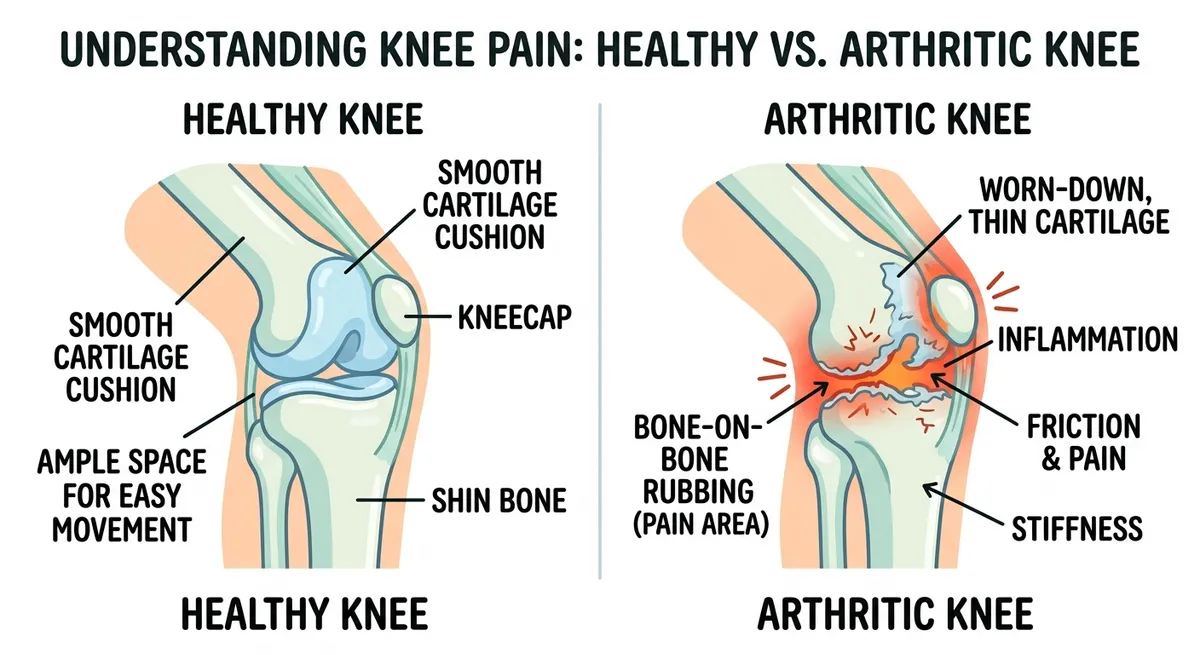
Think of your knee as a hinge where three bones meet: your thigh bone, shin bone, and kneecap. Usually, a smooth, slippery cushion (called cartilage) protects these bones so they can glide easily. But over time, things like old injuries, wear and tear, or arthritis can wear that cushion away.
When that cushion is gone, the bones start rubbing directly against each other. This causes stiffness, swelling, and a lot of ongoing pain. If doing simple things like walking, climbing stairs, or just standing up becomes too painful even with medication or physical therapy a doctor might suggest a total knee replacement.
During this surgery, the damaged parts of your knee are gently removed and swapped out for smooth, artificial parts.
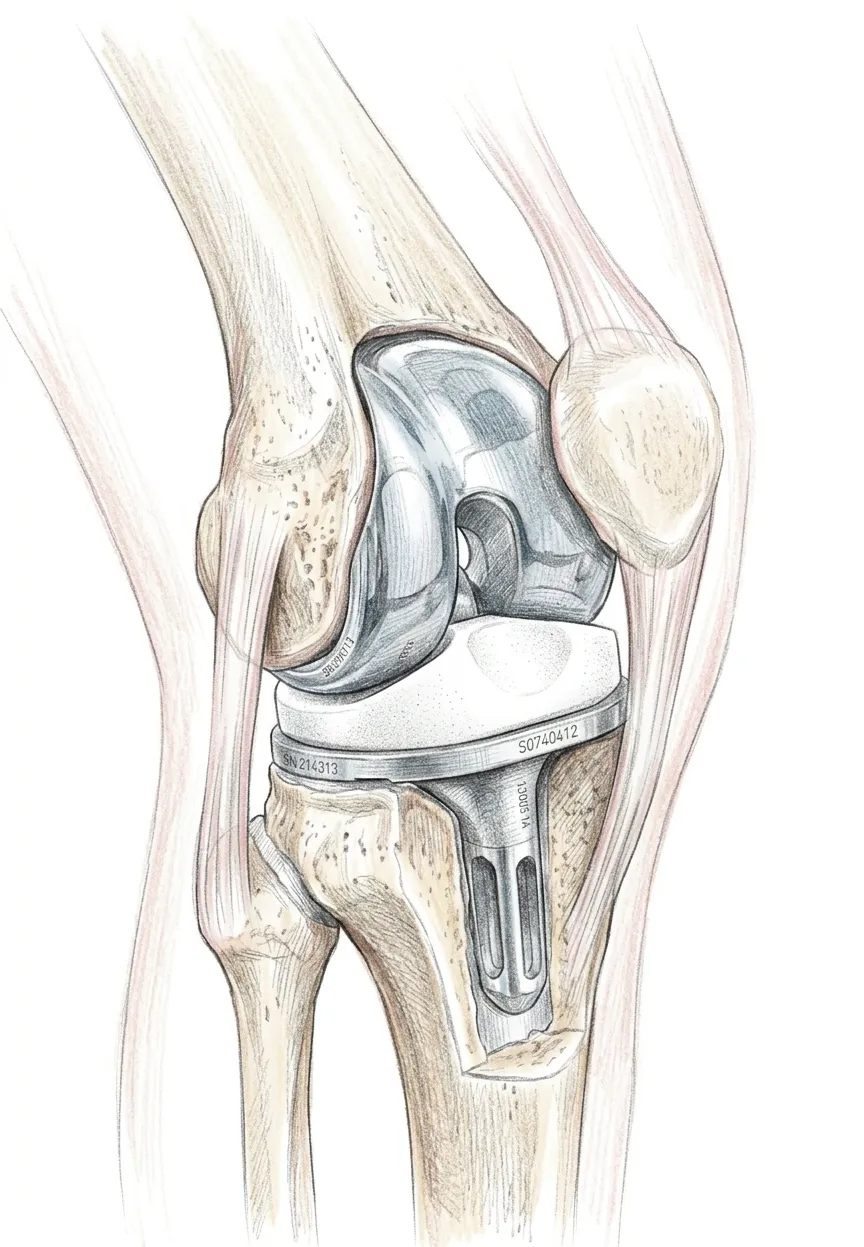
The goal? To give you a joint that bends freely so you can get back to your daily life with much less pain.
Signs You Might Need a Knee Replacement
You might be a candidate for this surgery if you are experiencing:
Severe pain from arthritis or an old injury that makes daily life difficult.
No relief from resting, medications, walking aids, or basic physical therapy.
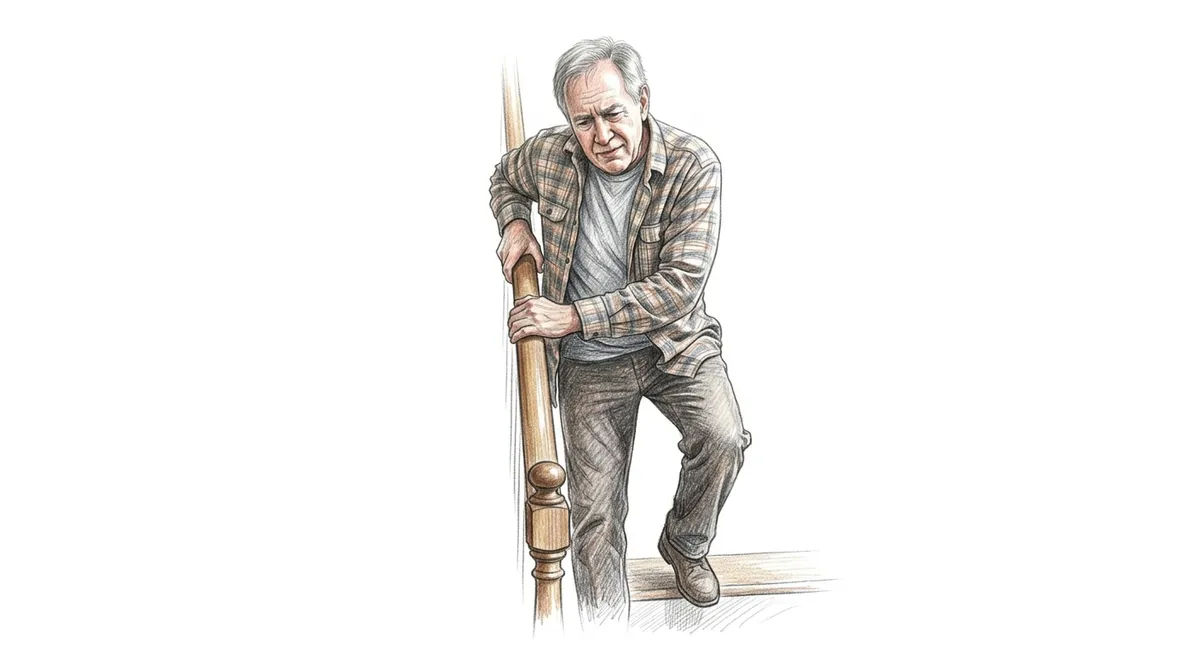
A really hard time doing basic things like walking, climbing stairs, or getting out of a chair.
Constant knee pain, even when you are just resting or trying to sleep at night.
Swelling and inflammation in the knee that just won't go down.
Noticeable changes in how your knee looks, like it is bowing inward or outward.
Things to Keep in Mind (Risks)
Like any surgery, getting a new knee comes with a few risks, such as:
Blood clots: Doctors usually give you medicine to help thin your blood and prevent these.
Nerve issues: Sometimes, the nerves around the new knee can get a little irritated, causing temporary numbness or weakness.
Infection: This can happen at the surgical cut or deeper inside, but hospitals take many steps to keep everything clean and prevent it.
Wear and tear: The new parts are built to be very tough, but they can eventually wear out or loosen over many years, which might require a touch-up down the road.
Why Physiotherapy is the Secret to a Great Recovery
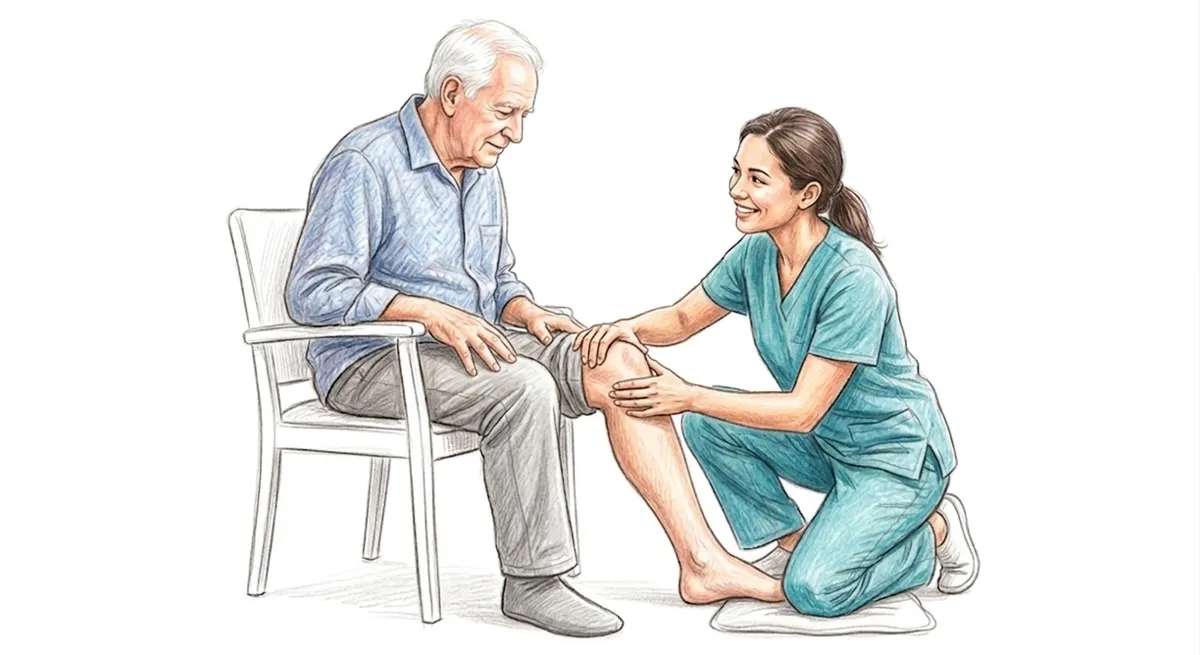
Having the surgery is only step one. Step two and the real secret to getting your life back is physical therapy. Here is how a physiotherapist helps you heal:
Cooling Down the Pain: Right after surgery, your therapist will use simple methods like ice and gentle touch to help bring down the swelling and ease your pain.
Getting You Moving: To keep your new knee from getting stiff, your therapist will help you start moving it safely right away.
Learning to Walk Again: You will get step-by-step guidance on how to put weight on your leg safely. They will also show you exactly how to use a walker or crutches until you don't need them anymore.
Rebuilding Strength: A new knee needs strong leg muscles to support it. You will do specific, simple exercises to wake up and strengthen your thigh and calf muscles.
Practicing Everyday Movements: Your therapist will practice real-life movements with you so you can feel confident going up stairs, sitting down safely, and getting out of bed.
Your Personal Guide: Think of your therapist as your coach. They will answer your questions, teach you how to protect your new knee at home, and keep you motivated!
The Road to Recovery
Healing from a knee replacement takes time, patience, and a bit of hard work. But with the right physical therapy team guiding you, you can get back your mobility, your independence, and your pain-free life.
To help support this journey, I have developed a structured, step by step Total Knee Replacement Treatment Protocol designed to guide patients through every stage of their rehabilitation. If you are preparing for surgery or currently navigating your recovery and feel this protocol could be a helpful resource for you, you are welcome to connect with me on Instagram to learn more.
