Back to Exercises
Stretch
Standing Lumbar Extension
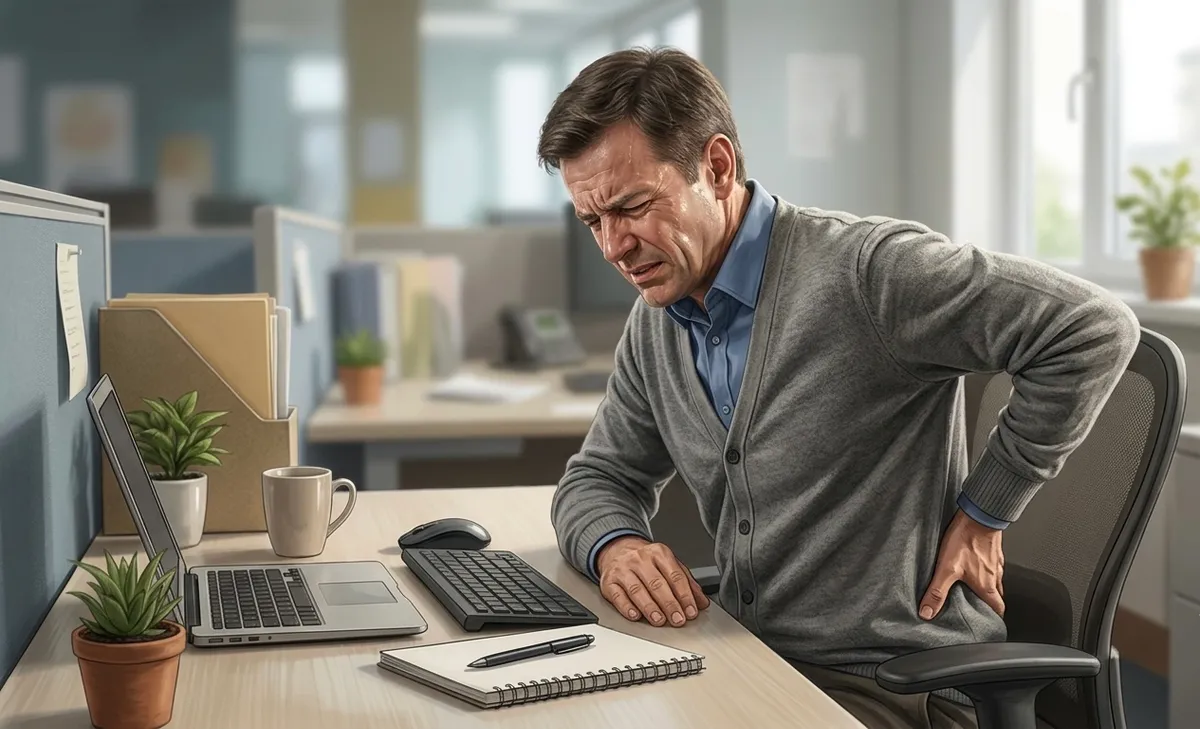
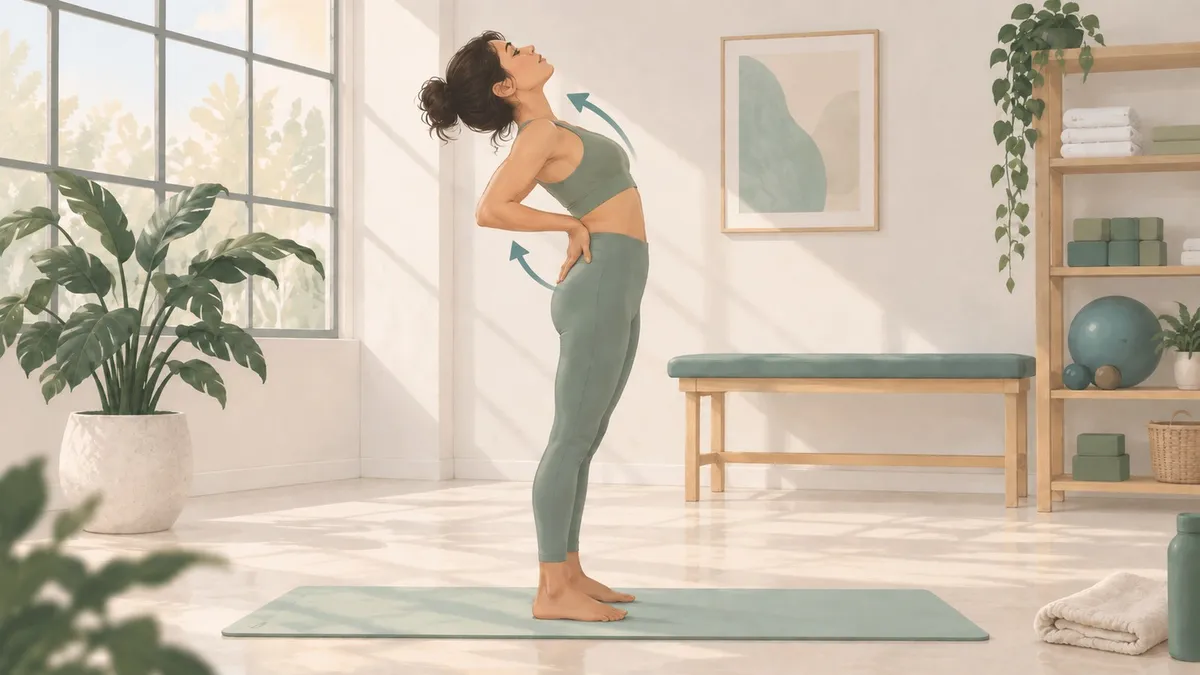
This is a fundamental clinical movement, especially valuable for reversing the chronic flexion most patients experience daily.Often known as the McKenzie extension in standing.
How to Perform
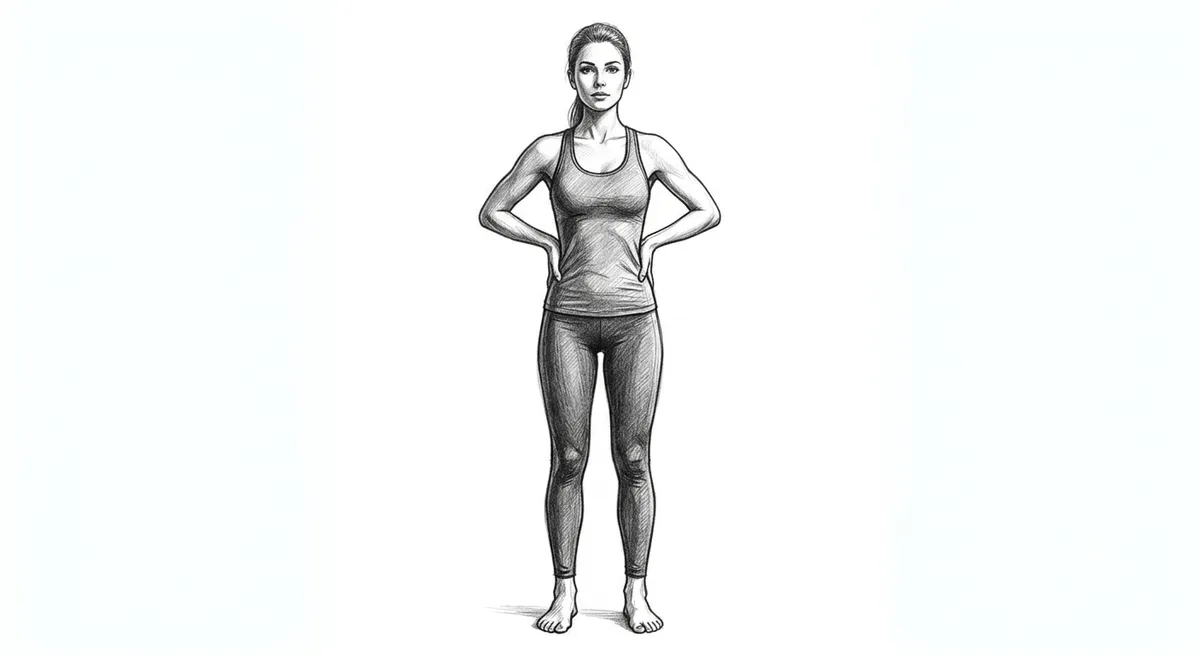 1
1Stand tall with your feet slightly apart.Place both hands on your lower back with your fingers pointing down and keep your knees straight.
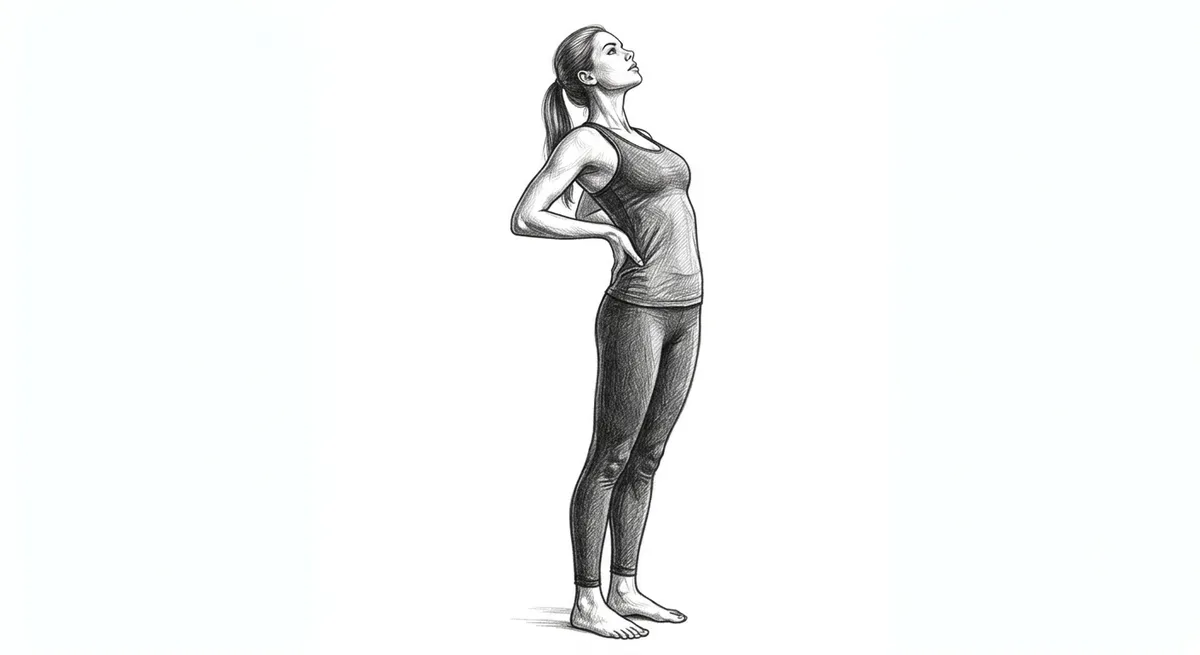 2⏱ Hold 10s
Gently bend your upper body backward using your hands for support.Hold for 10 seconds, then return to the start and repeat.
🔁 Repeat this exercise 5 times
Muscles Targeted
Primary Stabilizers & Extensors (Contracted)
Erector spinae group (iliocostalis, longissimus, spinalis), multifidus, and the quadratus lumborum. These work concentrically to extend the spine and eccentrically to control the return.
Anterior Chain (Stretched)
Rectus abdominis, the deeper abdominal wall, and the hip flexors (iliopsoas).
Pelvic Stabilizers
The gluteus maximus and hamstrings engage isometrically to anchor the pelvis while the upper body extends.
Helpful For
Posterior Disc Derangements
Erector spinae group (iliocostalis, longissimus, spinalis), multifidus, and the quadratus lumborum. These work concentrically to extend the spine and eccentrically to control the return.
Sciatica / Lumbar Radiculopathy
Utilized as a primary intervention to centralize referred nerve pain.
Postural Syndrome
General, non-specific mechanical lower back pain stemming from sustained flexion and poor ergonomics.
Lumbar Hypomobility
Used to restore proper lumbar curvature and joint mechanics in stiff, immobile lower backs.
Benefits
- Disc Decompression: Helps decompress the anterior aspect of the intervertebral discs, pushing disc material anteriorly.
- Postural Correction: Actively reverses the sustained flexed postures common in daily life (like prolonged desk work or smartphone use).
- Pain Centralization: Promotes the centralization of radiating nerve pain, drawing symptoms out of the legs and back toward the spine.
- Restores Mobility: Helps restore and maintain a normal, healthy lumbar lordosis.
Precautions
- Monitor for Peripheralization: If radiating pain moves further down the leg during the movement, the exercise should be stopped immediately. The clinical goal is centralization.
- Strict Knee Lock: Patients often compensate by bending their knees, which shifts the movement into hip extension. Cue them to keep their knees locked to isolate the lumbar spine.
- Pain vs. Stretch: A stretching sensation or dull central lower back pressure is expected at the end range, but sharp, pinching pain is a signal to reduce the range of motion.
- Contraindications: This movement should be avoided or heavily modified for patients with severe spinal stenosis, active spondylolisthesis, or highly irritable facet joint arthropathy, as extension can exacerbate these specific conditions.
Related Articles
Need Professional Help?
Book a consultation to get personalized treatment advice for your condition.
Book on Instagram