Kegel Exercise in Supine
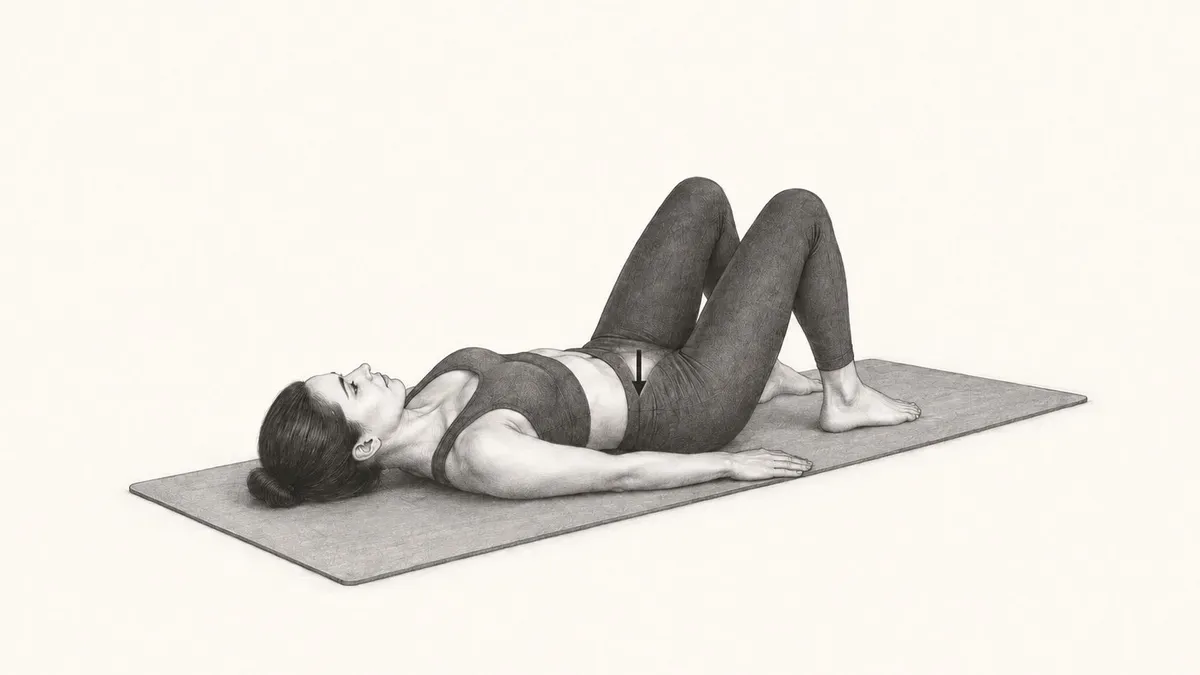
The Kegel exercise, also known as Pelvic Floor Contraction exercise, is a gentle way to learn and strengthen the pelvic floor muscles. You lie on your back with knees bent and squeeze and lift the muscles around your private area, as if you are stopping wind and urine. Lying down is the easiest position to start in.
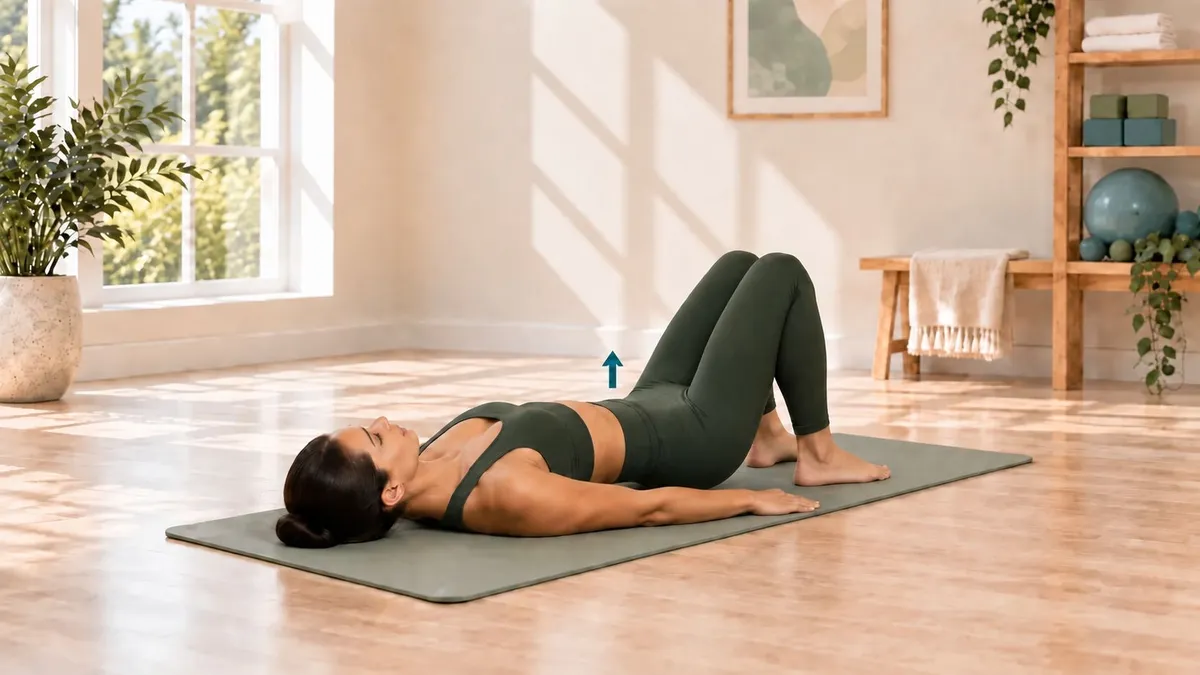
How to Perform
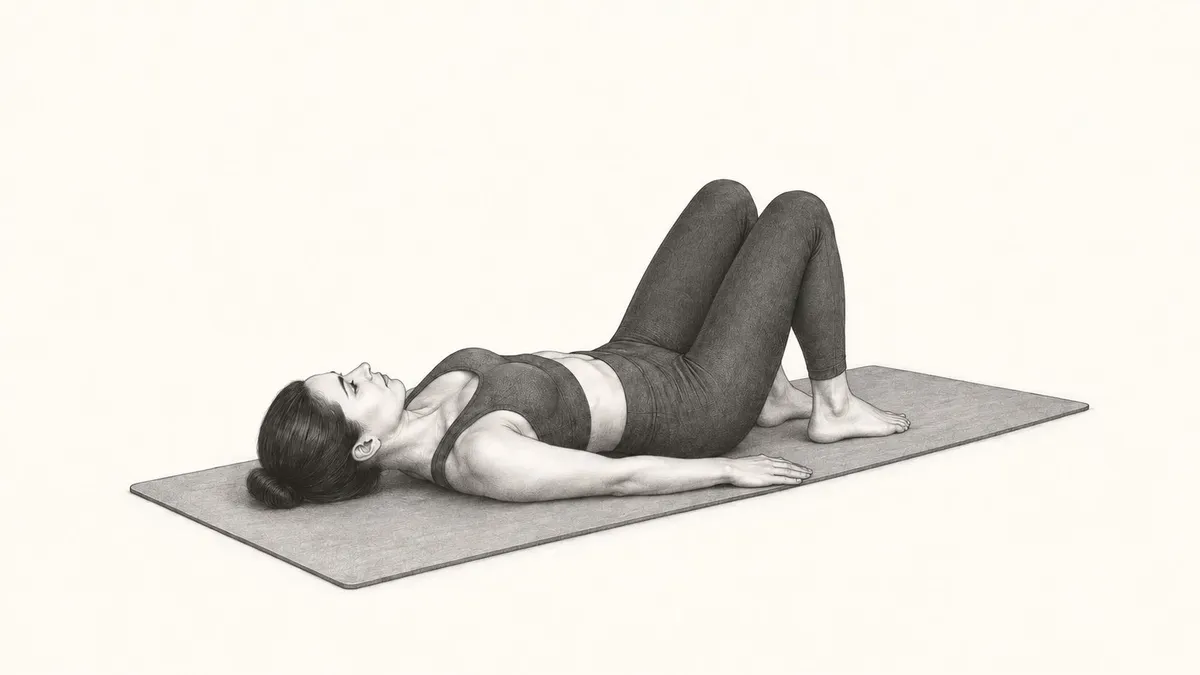 1
1Lie on your back with your knees bent and feet flat on the floor, hip-width apart. Rest your arms by your sides. Relax your tummy, thighs and buttocks.
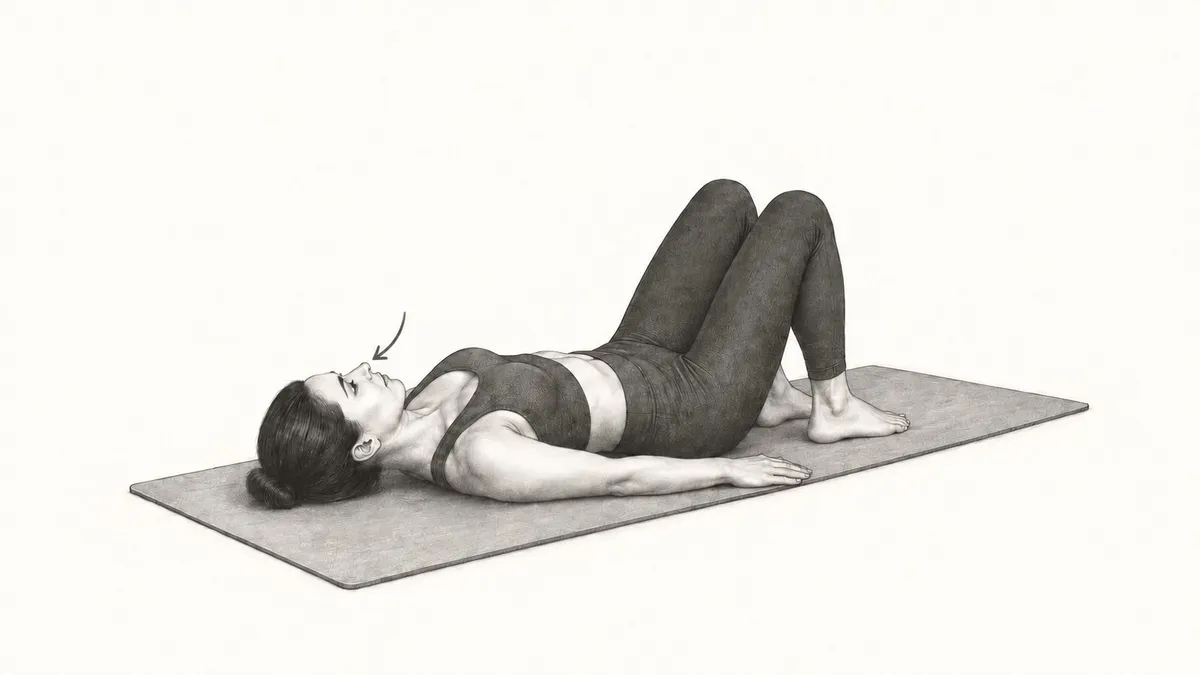 2
2Breathe in slowly through your nose. Keep your pelvic floor relaxed.
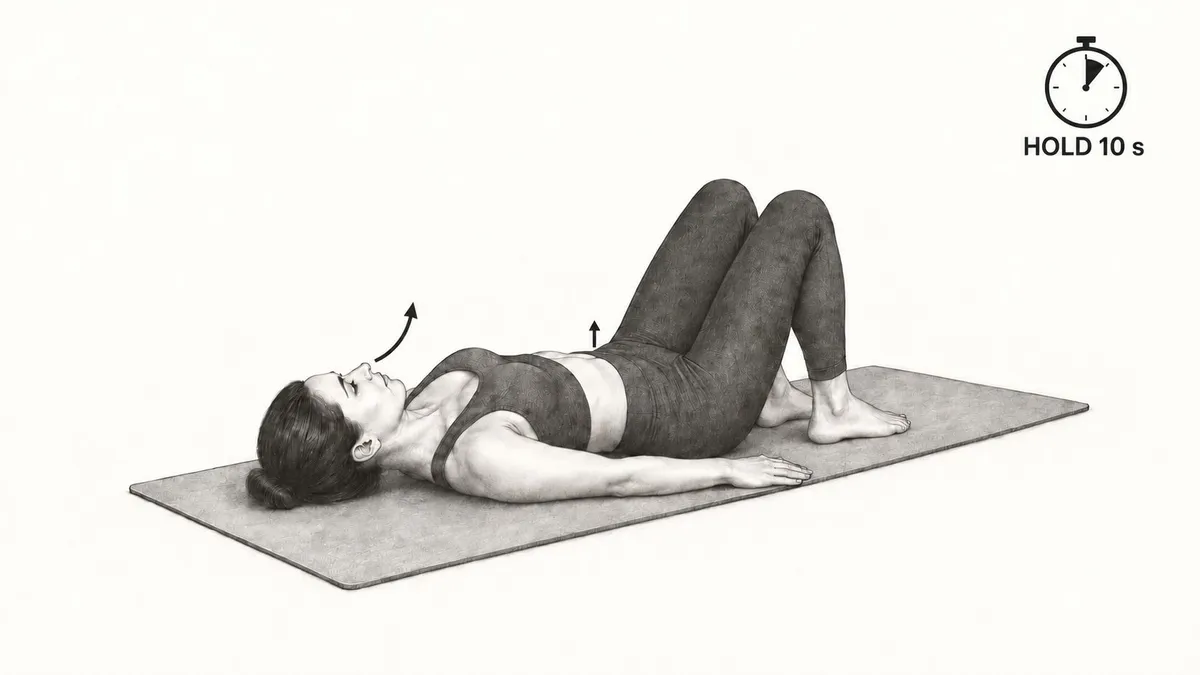 3⏱ Hold 10s
As you breathe out, squeeze and lift the muscles around your back passage and urine passage, up and in, as if you are stopping wind and urine. Hold for 10 seconds. Keep breathing. Do not squeeze your buttocks or press your knees together.
 4
4Let go slowly and relax fully for a few seconds.
🔁 Repeat this exercise 5 times
Watch the Exercise
Muscles Targeted
Forms part of the pelvic floor supporting the pelvic organs. It joins the squeeze-and-lift action during contraction.
Forms a sling around the lower bowel. Contraction supports bowel control, while relaxation helps bowel emptying.
Forms part of the supporting pelvic floor. It joins the other pelvic floor muscles during the gentle upward lift.
Helps close the urine passage during pelvic floor contraction. Do not practise by repeatedly stopping urine flow.
Helpful For
Can improve support and closure during coughing, sneezing or laughing. Practise a controlled lift with full relaxation between contractions.
Practises pelvic floor strength and control after childbirth. Discuss pain, heaviness or difficulty relaxing with a pelvic health physiotherapist.
Controlled contractions can build pelvic floor strength and endurance. Match the effort to your ability rather than forcing longer holds.
May improve support and help manage symptoms. It does not guarantee prolapse reversal, and a tailored plan may be needed.
Can maintain pelvic floor strength and control during pregnancy. Use normal breathing and fully relax between contractions.
Benefits
- Helps you find and feel the right muscles.
- Builds pelvic floor strength and endurance.
- Gives better bladder control and fewer leaks.
- Supports the bladder, womb and bowel.
- Helps you control wind and stool.
Precautions
- Do not hold your breath. Breathe normally during the hold.
- Do not squeeze your buttocks, thighs or tummy, and do not lift your hips.
- Do not push or bear down. Lift up and in.
- Do not practise while passing urine or stopping the stream, as this can upset the bladder.
- Stop if you feel pain, and see a physiotherapist.
- Seek advice first if you are pregnant, have recently given birth or had pelvic surgery, or have constant pelvic pain or tight pelvic floor muscles. Tight pelvic floor muscles need relaxing, not strengthening.
Need Professional Help?
Book a consultation to get personalized treatment advice for your condition.
Book on Instagram