Elevated ankle pump
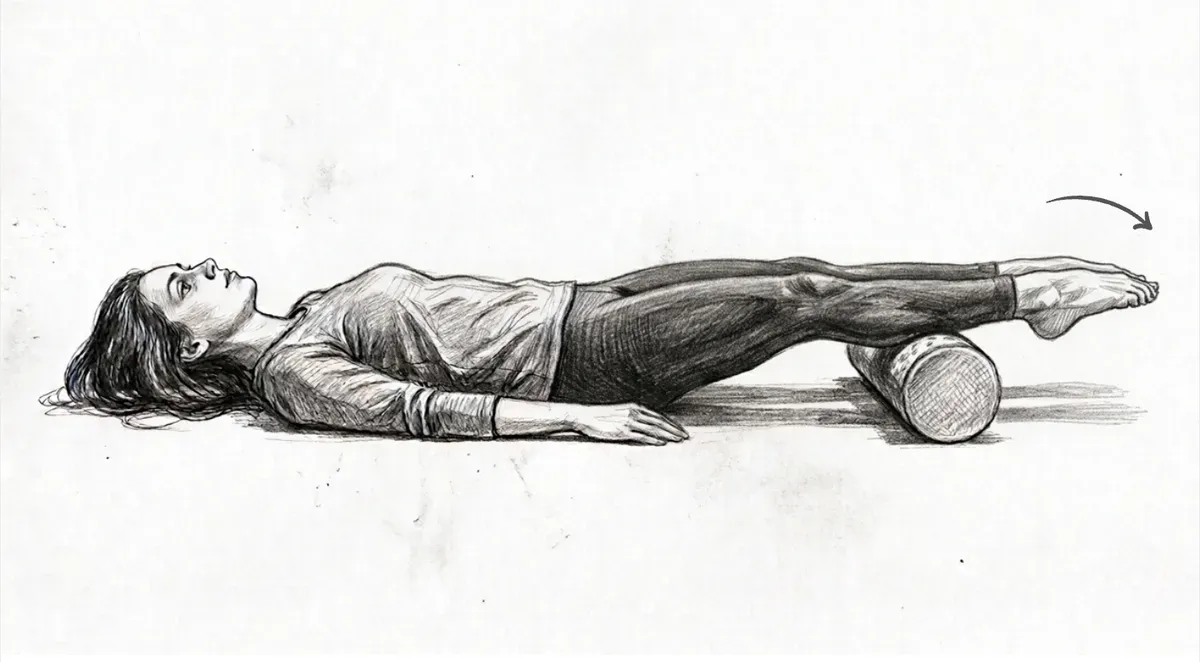
Ankle pumps are a simple, controlled mobility exercise designed to create a gentle muscle contraction in the lower leg. By elevating the legs on a foam roller, you allow the calves and heels to move freely without friction from the floor, which helps maximize your full range of motion.
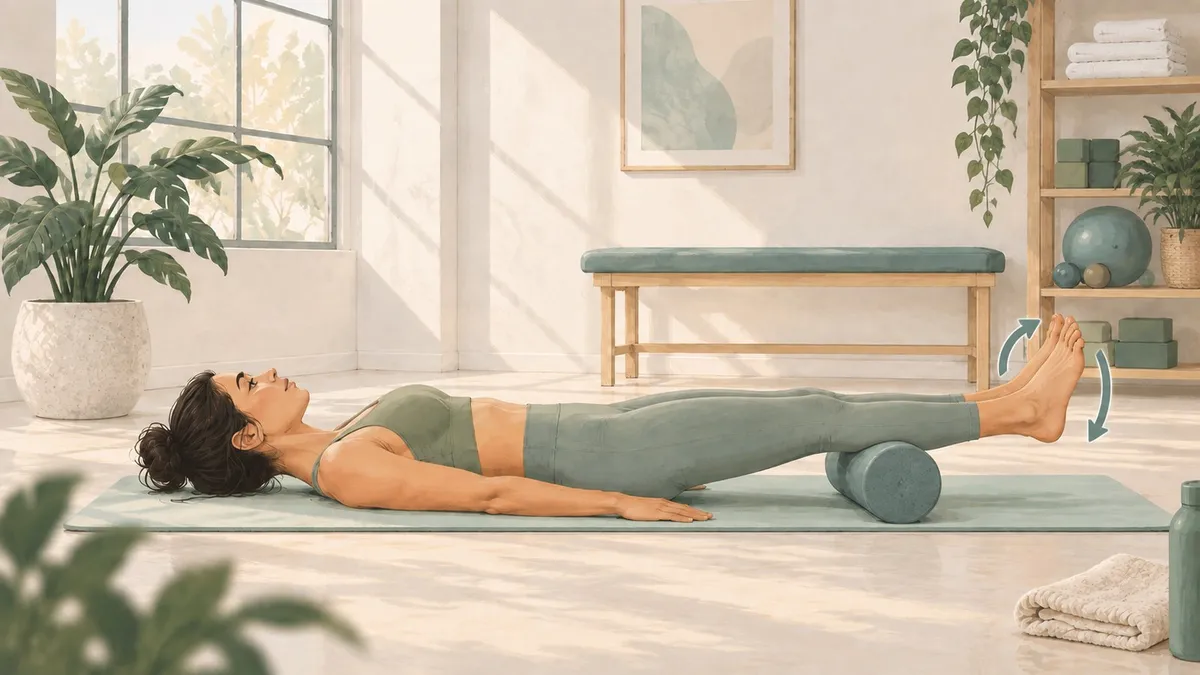
How to Perform
 1
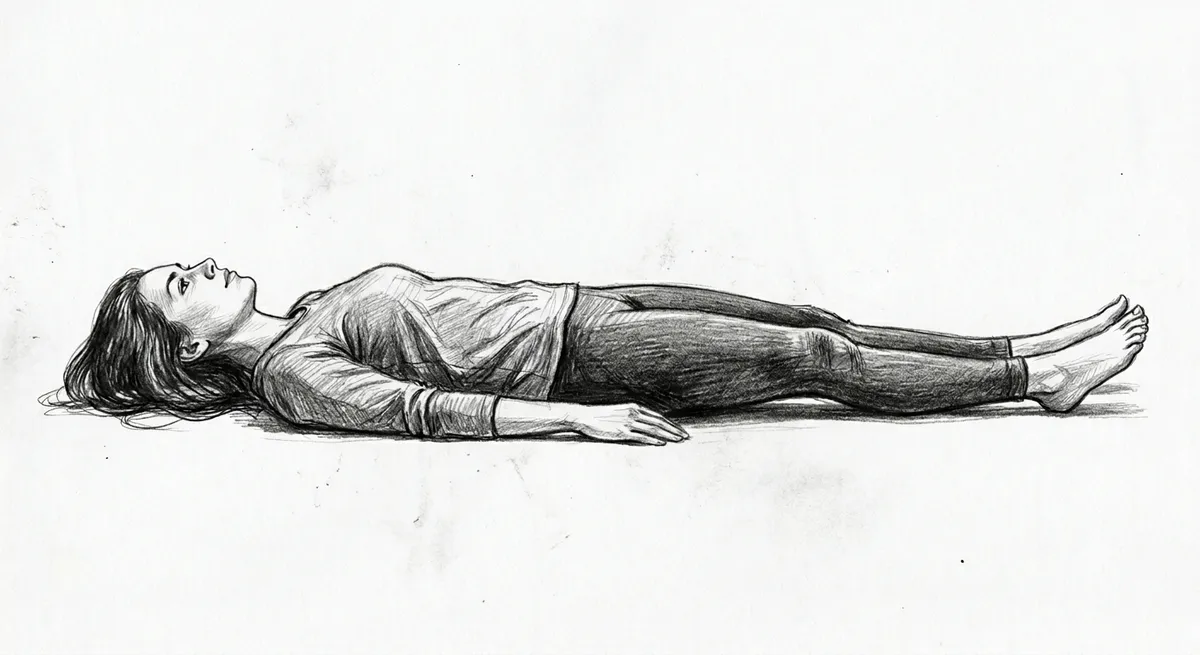
1Lie flat on your back with your legs completely straight and relaxed.
 2
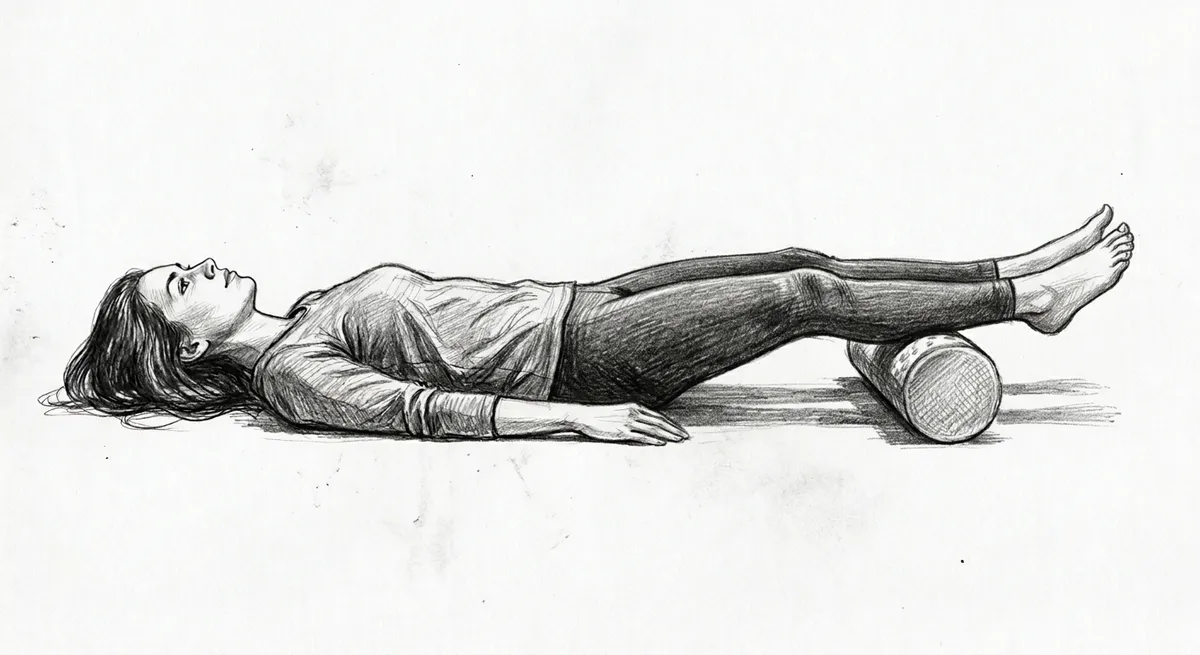
2Prop your ankles on a foam roller so your calves and heels float in the air. Ensure the roller is positioned under the lower calf area, rather than directly behind the knee.
 3⏱ Hold 10s
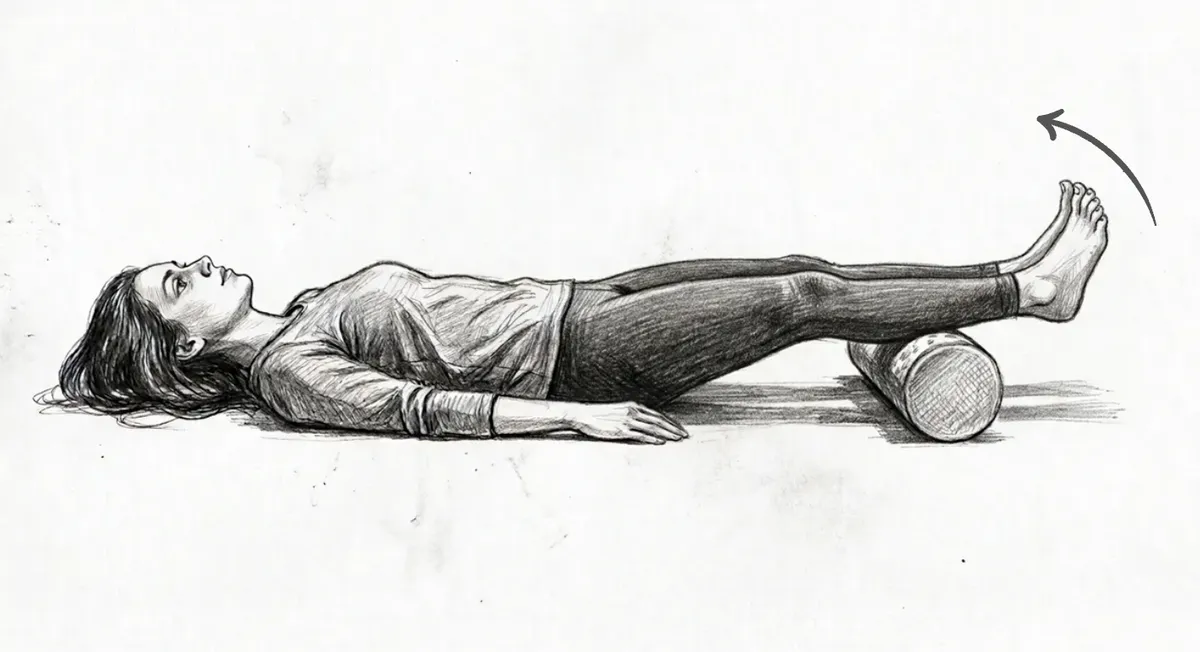
Pull your toes up toward you in a smooth, controlled motion to stretch the calf and hold for 10 seconds
 4⏱ Hold 10s
Then point your toes down and away from you, actively engaging the calf muscles and hold for 10 seconds and repeat these movements.
🔁 Repeat this exercise 5 times
Muscles Targeted
The calf muscles at the back of the lower leg, responsible for pointing the toes down.
The muscle on the front of the shin, responsible for pulling the toes up toward the body.
Muscles that assist in pulling the toes and foot upward.
Muscles along the outside of the lower leg that help stabilize the ankle.
Helpful For
An essential early-stage rehabilitation exercise following ACL reconstruction, ankle/foot surgeries, or knee and hip replacements to prevent stiffness and complications.
Highly recommended for patients on bed rest, recovering from illness, or sitting during long flights to prevent blood clots.
Helps manage fluid pooling in the lower extremities caused by venous insufficiency, pregnancy, or lymphatic system issues.
Beneficial for older adults managing poor circulation or individuals slowly recovering from acute ankle sprains.
Benefits
- Improves Circulation: The gentle muscle contractions act as a physical "pump," helping push venous blood and lymphatic fluid out of the lower leg and back toward the heart.
- Reduces Swelling: Elevating the legs above the floor combined with the pumping motion effectively drains pooled fluid (edema) from the ankles and feet.
- Prevents Joint Stiffness: Keeps the ankle joint mobile and lubricates the joint capsule during periods of prolonged rest or immobility.
- Low-Impact Activation: Provides a safe way to maintain muscle activation in the lower leg without placing any weight or mechanical load on the joints.
Precautions
- Pace and Control: The movement should be slow and steady. Avoid rushing or using momentum, as the primary goal is circulation and gentle mobility, not muscle fatigue.
- Roller Placement: Never place the foam roller directly behind the knee joint, as this can compress sensitive blood vessels and nerves. Keep it under the lower calf.
- Warning Signs: Stop the exercise immediately if you experience sharp joint pain, sudden calf tenderness, heat, or redness in the leg, as these could be warning signs of a blood clot.
- Stay Within Pain Limits: The exercise must remain completely pain-free. Move only as far as feels comfortable without forcing the stretch.
Need Professional Help?
Book a consultation to get personalized treatment advice for your condition.
Book on Instagram