Cobra stretch
The Cobra stretch is a foundational spinal extension exercise. It actively engages the posterior chain while providing a deep, passive stretch to the anterior aspect of the trunk.
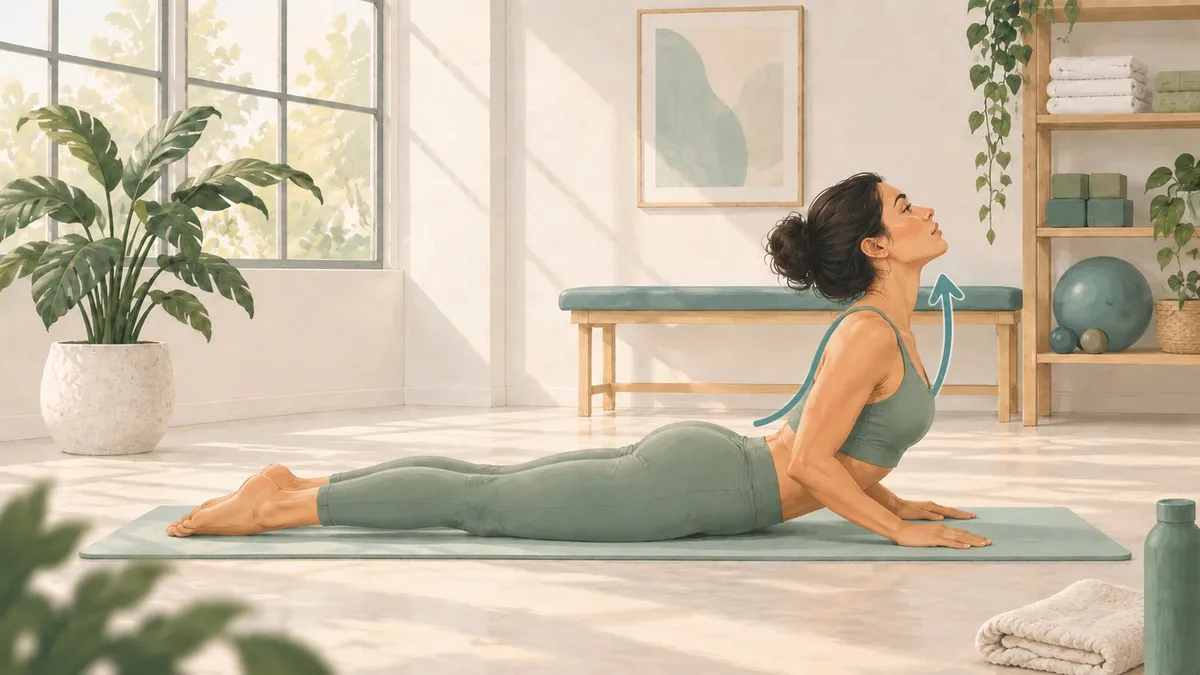
How to Perform
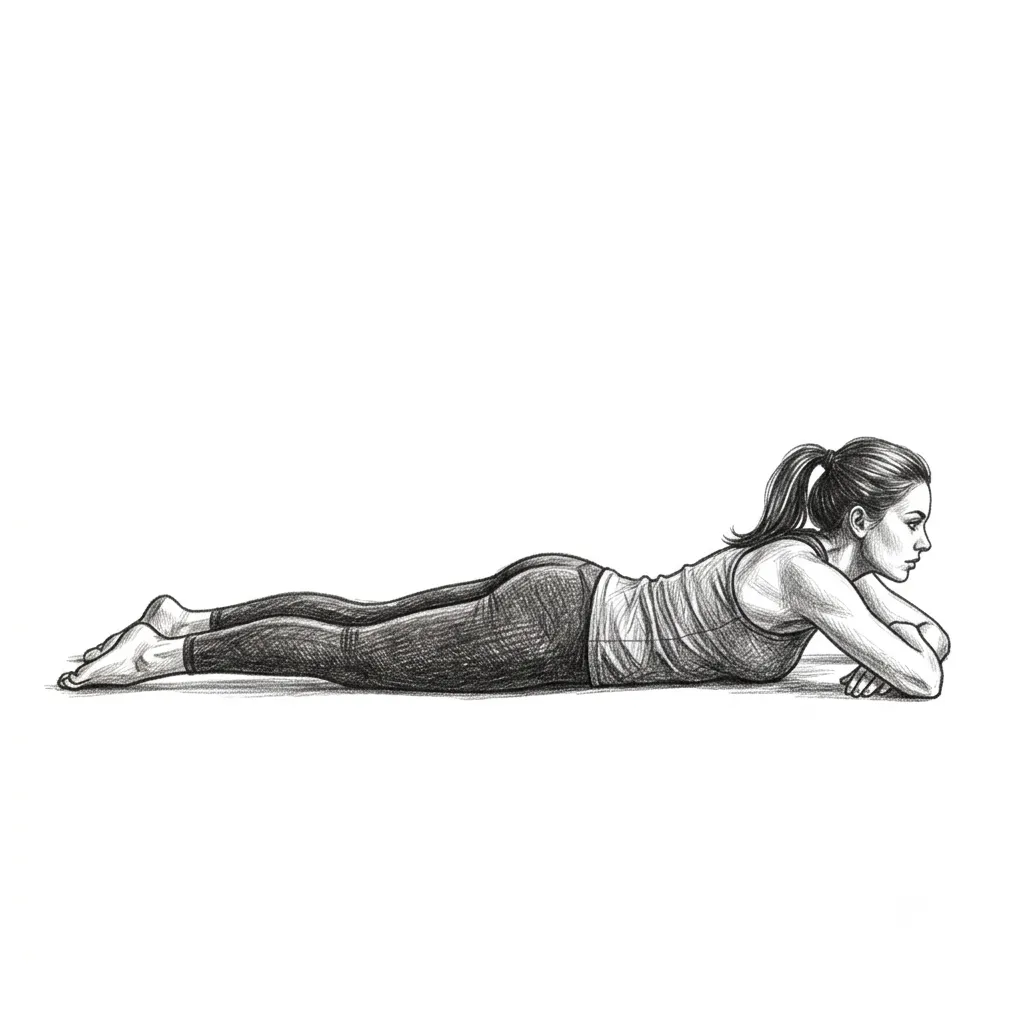 1
1Lie flat on your stomach with your legs extended and the tops of your feet resting flat on the floor.
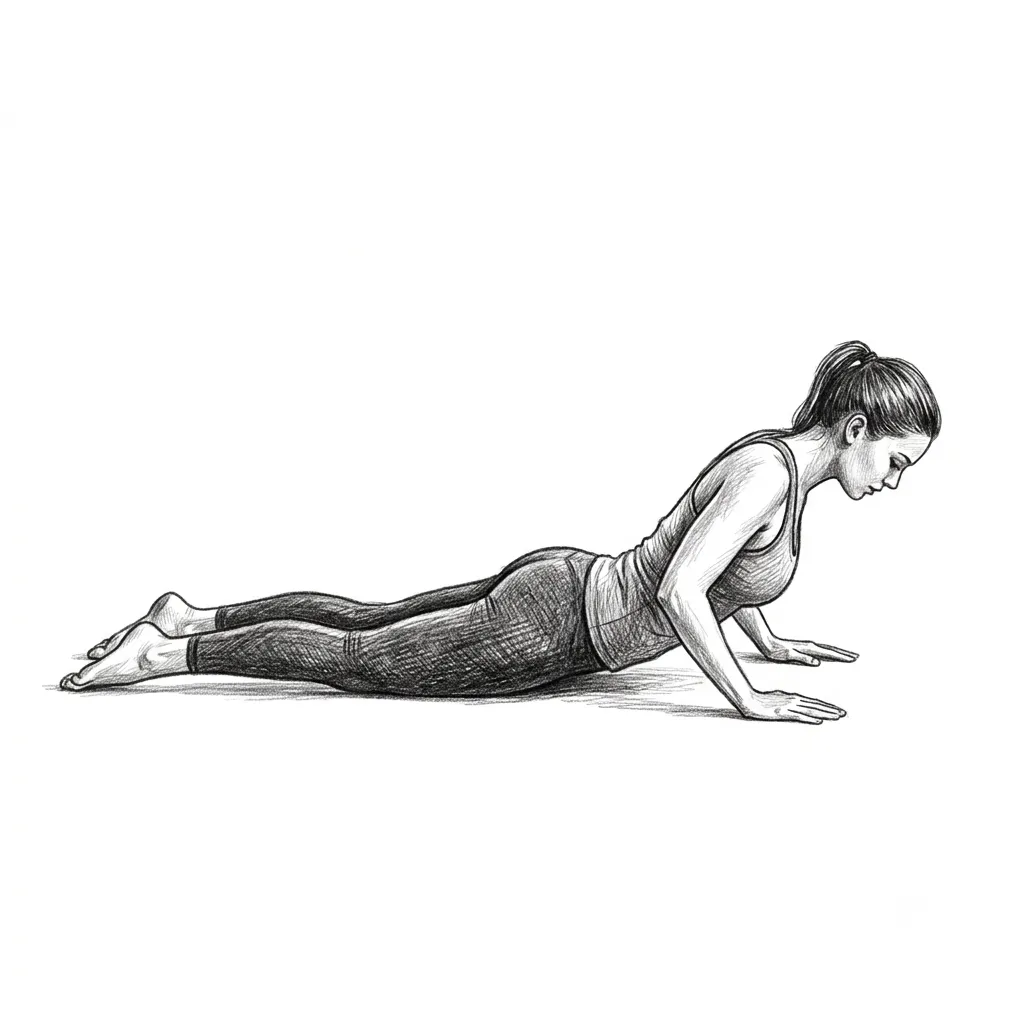 2
2Place your palms flat on the ground right under your shoulders. Keep your elbows tucked in close to your ribs.
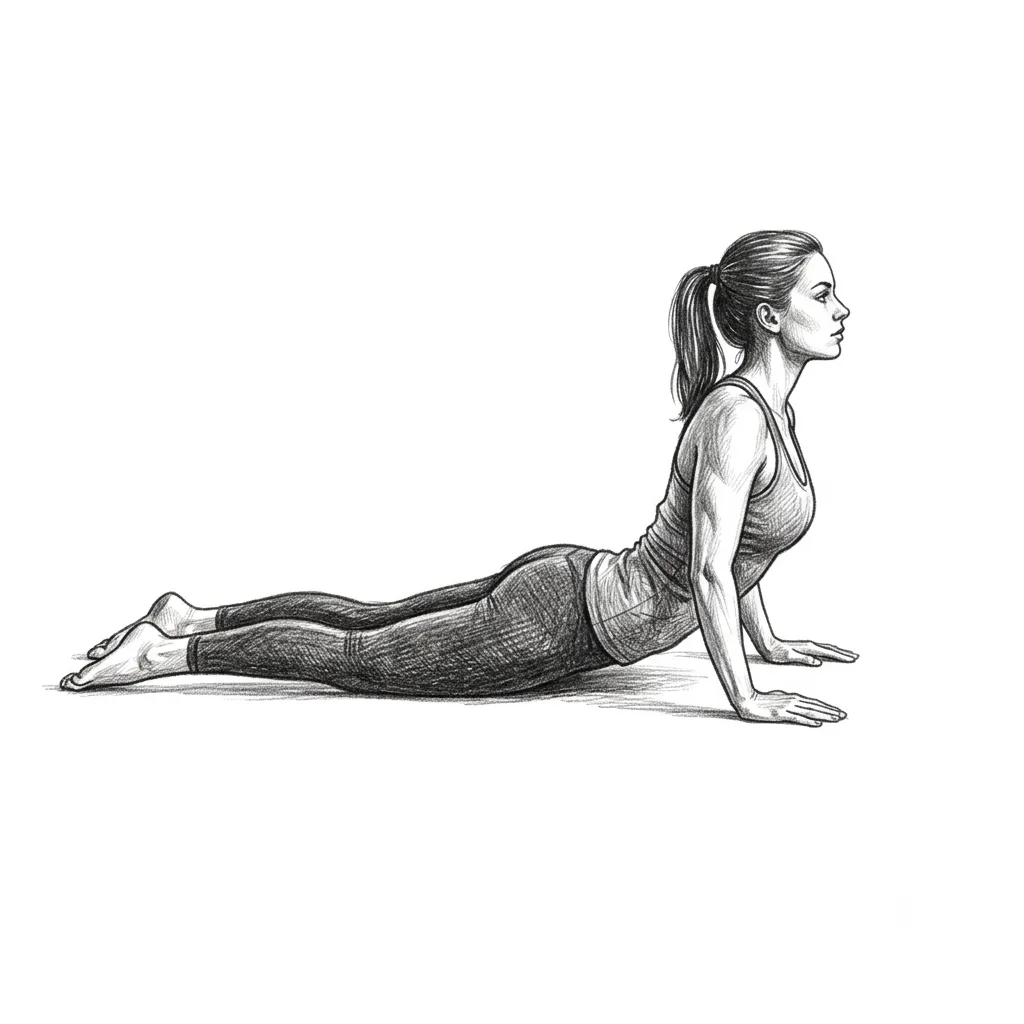 3
3Inhale and gently press through your hands to lift your head, chest, and upper abdomen off the floor and also rool your shoulders back and down. Keep a slight micro-bend in your elbows.Your pelvis should be in the floor to stabilise your lower spine.
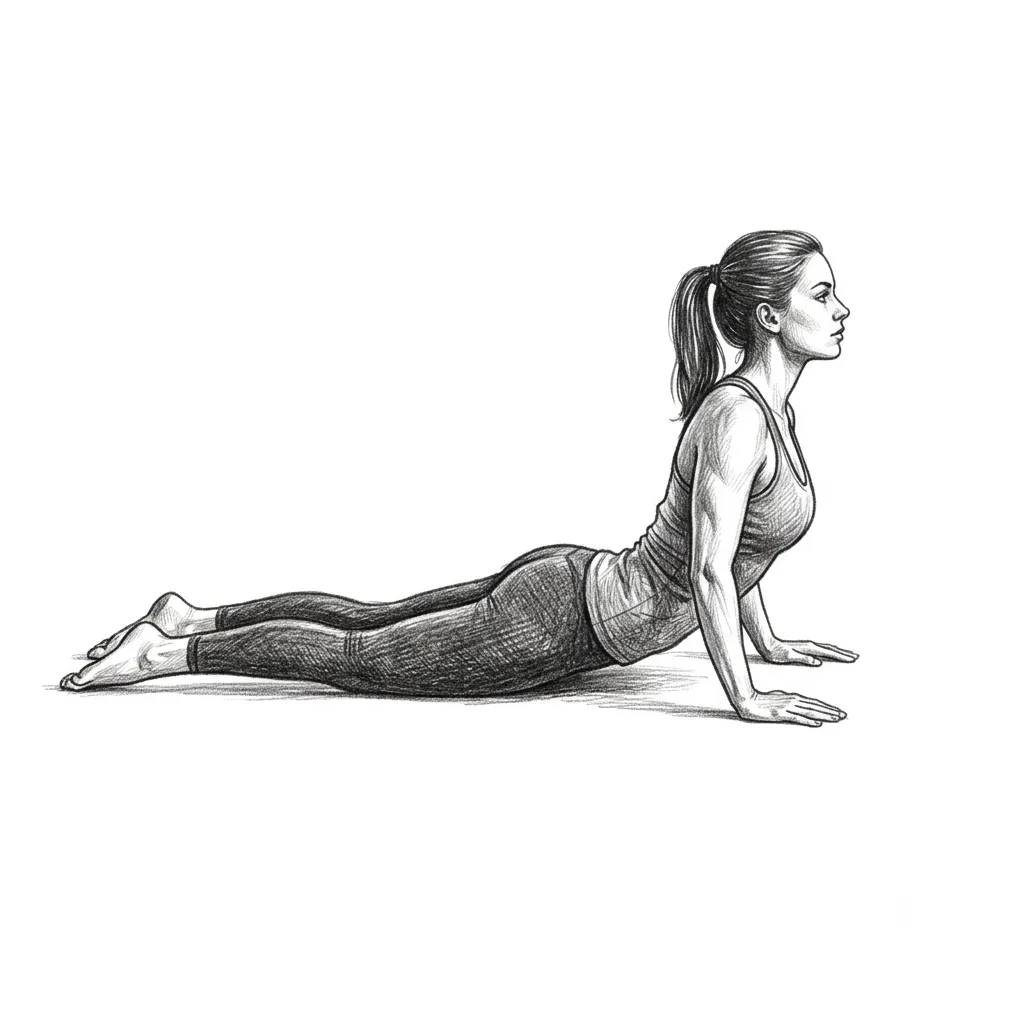 4⏱ Hold 10s
Hold the extension for 10 seconds while breathing steadily. Exhale as you slowly lower your torso and forehead back to the starting position.
🔁 Repeat this exercise 5 times
Muscles Targeted
Helpful For
Frequently utilized as a core component of the McKenzie Method (extension protocols) to help reduce posterior disc bulges and centralize pain.
Relieves radicular pain traveling down the leg by creating space in the anterior spinal column.
Prescribed to stretch the tight anterior chest muscles and strengthen the weakened upper back muscles associated with an exaggerated thoracic curve.
Used in pulmonary rehabilitation settings (like asthma management) to improve chest wall expansion and stretch accessory muscles of respiration.
Benefits
- Improves Spinal Mobility: Increases flexibility in the thoracic and lumbar spine, by reducing the effects of slouching.
- Postural Correction: Opens the chest and anterior shoulders, which helps correct forward-head and rounded-shoulder postures.
- Pain Relief: By decompressing the anterior aspect of the intervertebral discs especially in radiating pain of sciatica.
- Respiratory Expansion: By stretching the anterior muscles and opening the rib cage, it allows for deeper diaphragmatic breathing and increased lung capacity.
Precautions
- Avoid Neck Hyperextension: Do not crank the neck backward; the curve of the neck should be a natural continuation of the upper spine.
- Elbow Lock-out: Avoid completely locking the elbows. A slight bend ensures the muscular load stays in the back and triceps rather than dumping stress into the elbow joints.
- Pelvic Grounding: The hip should remain in contact with the mat. Lifting the hips turns the movement into an Upward-Facing Dog, which places much higher stress on the lumbar spine.
- Contraindications: This exercise should be avoided or heavily modified in cases of severe spinal stenosis, spondylolisthesis, late-stage pregnancy, or recent abdominal/spinal surgeries.
Need Professional Help?
Book a consultation to get personalized treatment advice for your condition.
Book on Instagram