Child’s Pose
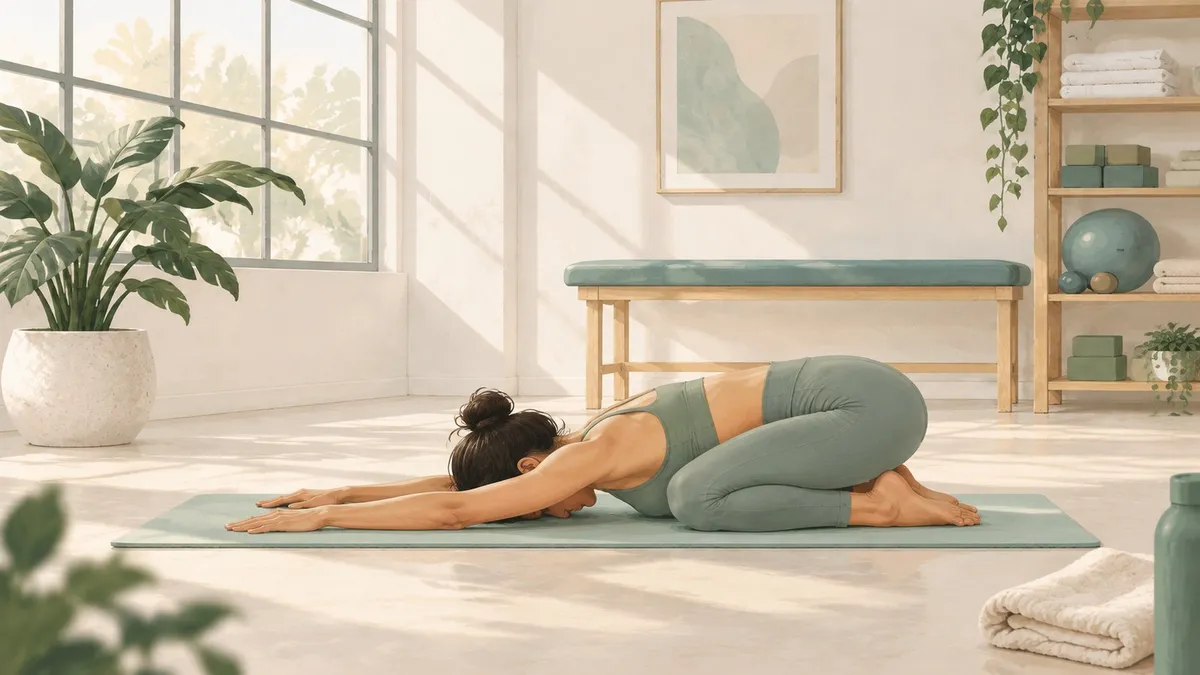
Child’s Pose is a foundational, restorative yoga posture that focuses on grounding the body, turning the focus inward, and providing a deep, passive stretch to the posterior chain. It is commonly used as a resting pose between more challenging workouts.
How to Perform
 1
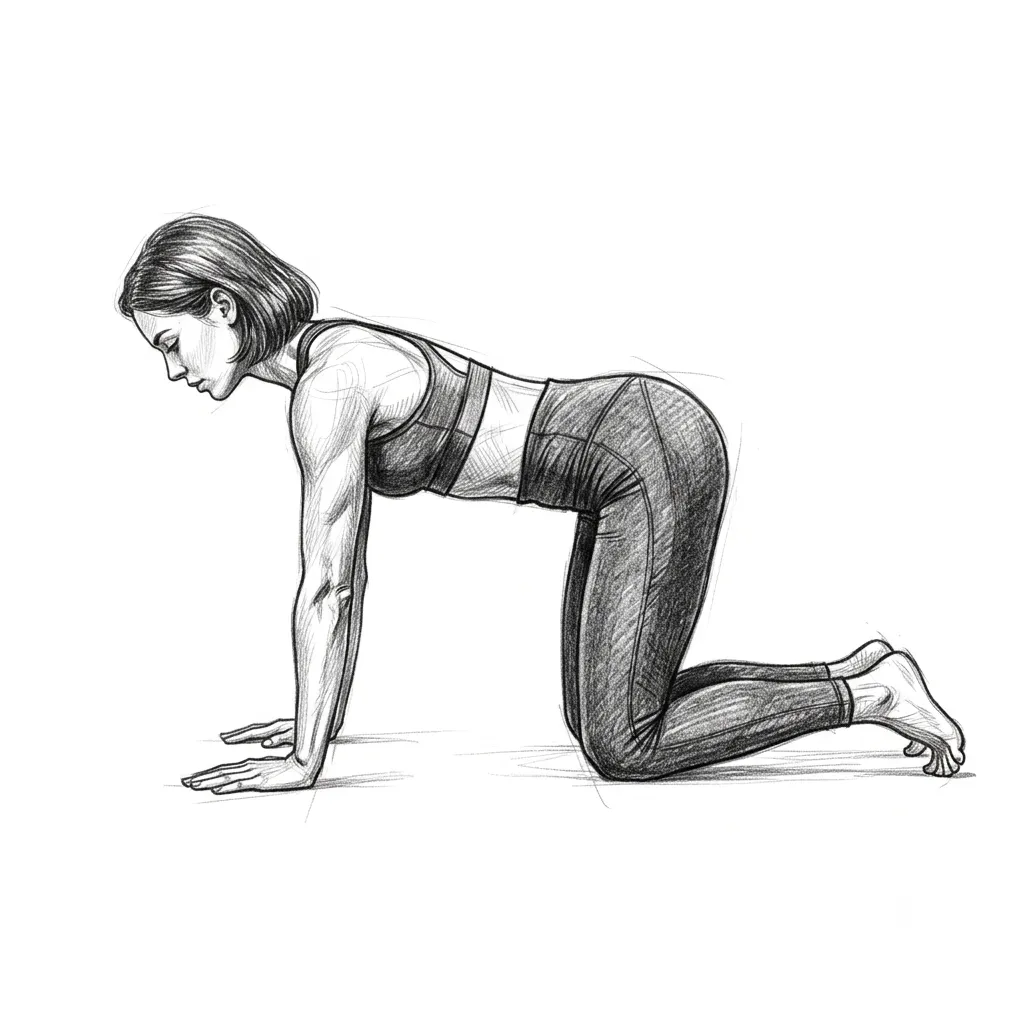
1Begin on your hands and knees in a neutral tabletop position, ensuring your wrists are under your shoulders and your knees are under your hips.
 2
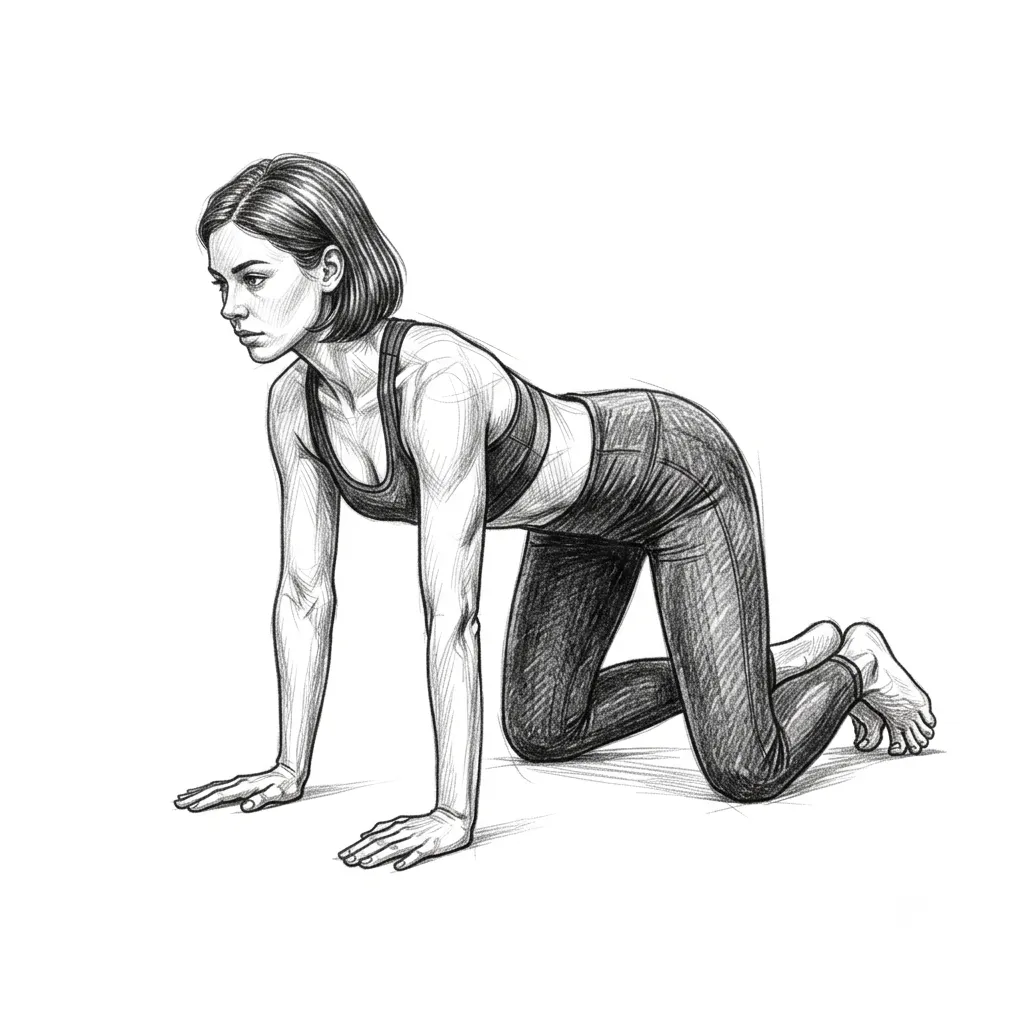
2Spread your knees out to the edges, while keeping your big toes touching behind you.
 3
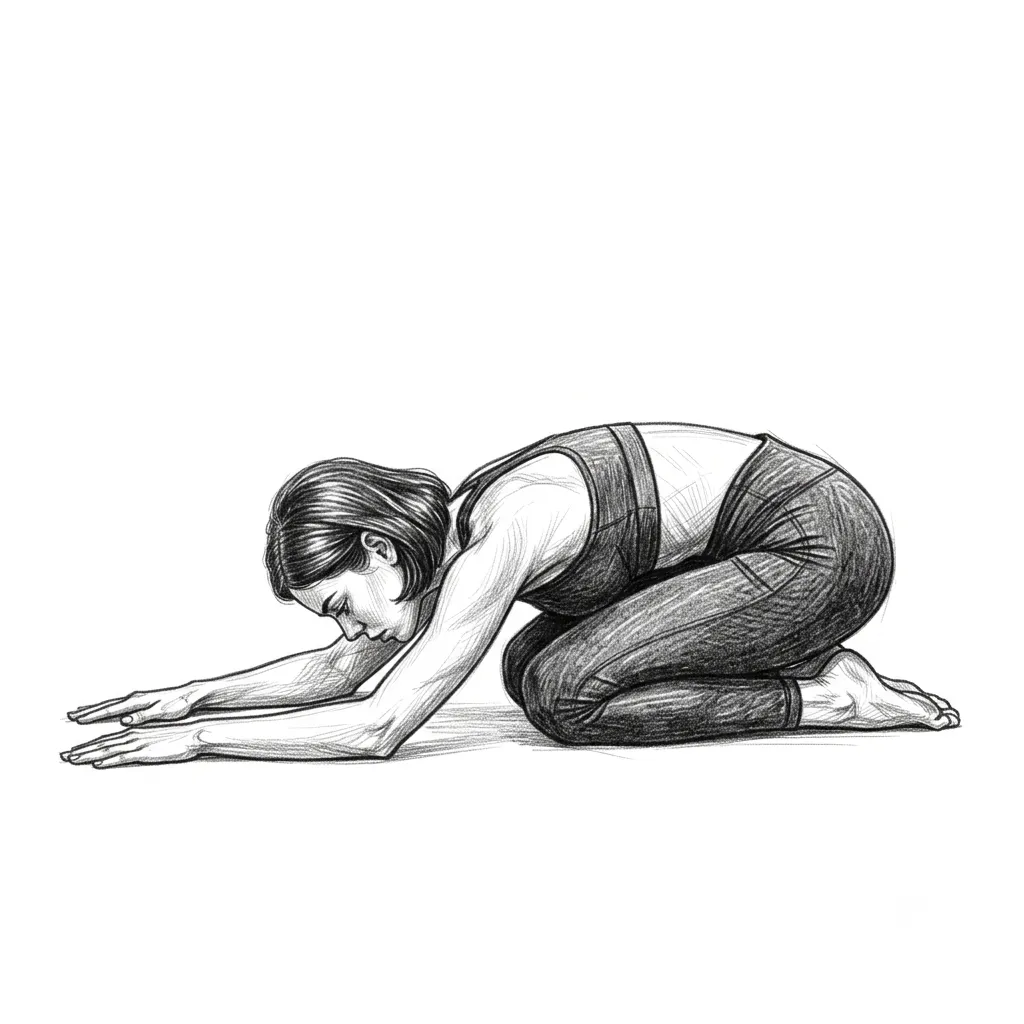
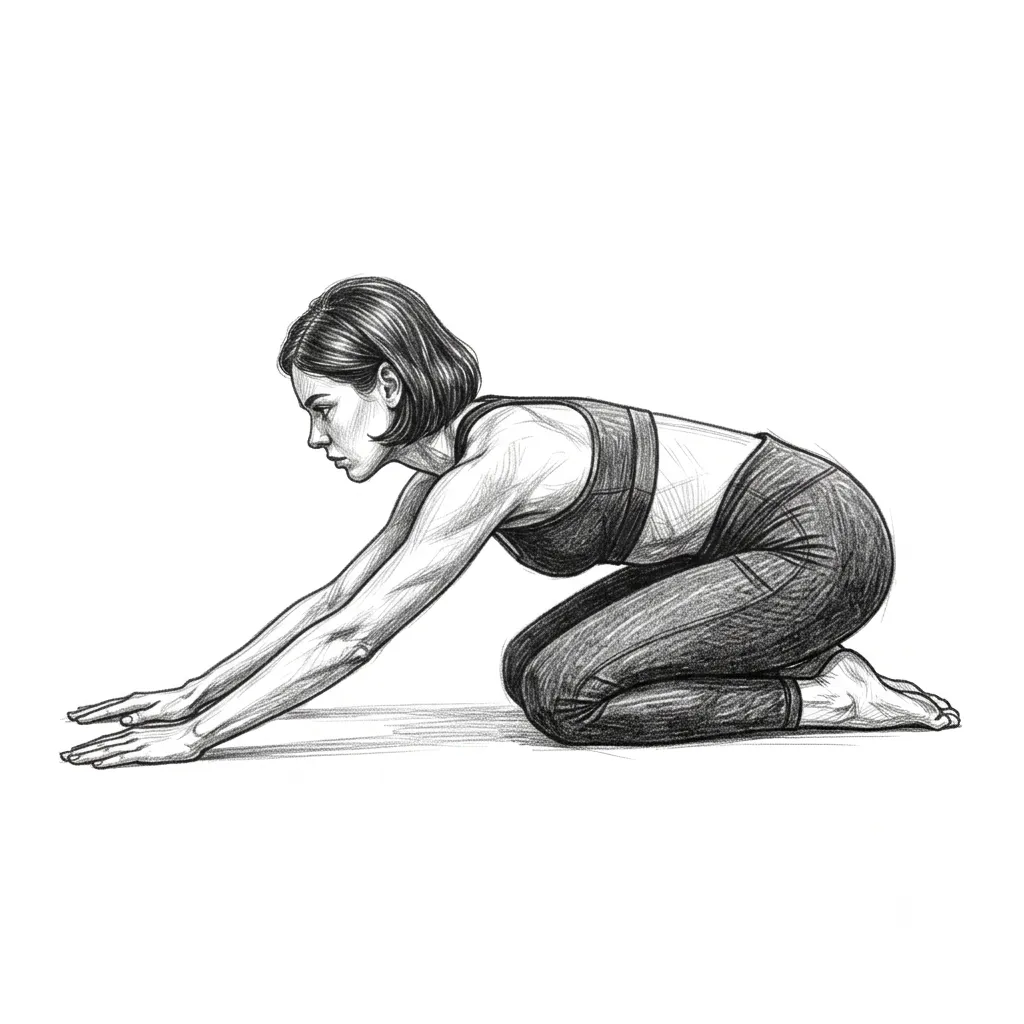
3Carefully sit your weight back, sinking your hips down onto your heels.
 4
4As you extend your spine forward, lower your chest down between your thighs.
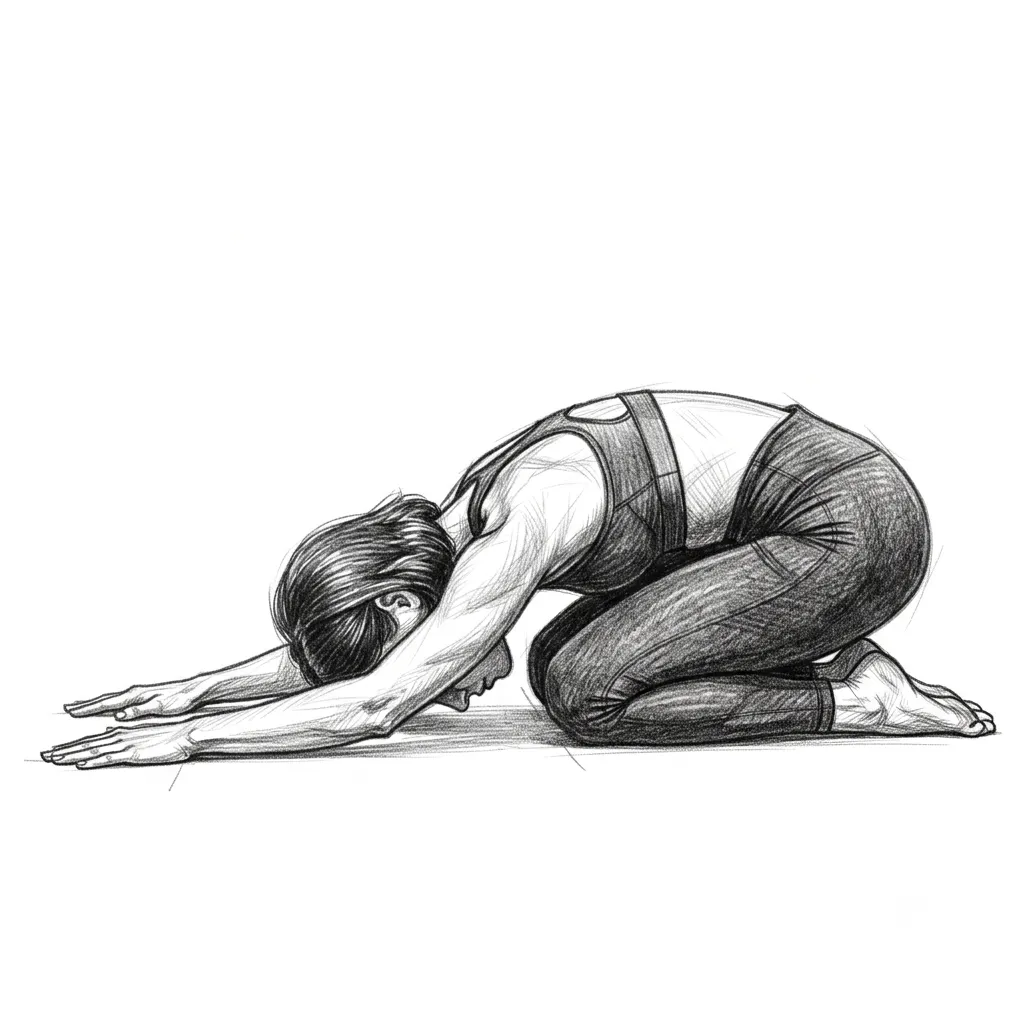 5⏱ Hold 10s
Rest your forehead completely on the floor to fully release tension in your lower back. You can extend your arms forward for an active shoulder stretch, or let them rest alongside your body with palms facing up and hold the position and repeat.
🔁 Repeat this exercise 5 times
Muscles Targeted
The muscles running up the sides of the spine.
Broad back muscles.
Specifically the teres major and minor.
Helpful For
Frequently prescribed in physical therapy to relieve muscular stiffness and reduce mechanical lower back strain.
Used in therapeutic settings to help patients manage hyperarousal, lower heart rate, and regulate breathing.
Recommended as a pre-bedtime routine to quiet the mind and prepare the central nervous system for rest.
Can offer gentle relief by opening up the lower lumbar region and the hips, taking pressure off the sciatic nerve.
Benefits
- Spinal Decompression: Gently stretches and elongates the vertebral column, creating space between the discs.
- Nervous System Regulation: The forward-folding nature of the pose triggers the parasympathetic nervous system, calming the brain and reducing the "fight or flight" response.
- Hip and Ankle Mobility: Provides a sustained, passive stretch to the hip flexors, thighs, and the anterior ligaments of the ankles.
- Digestive Aid: When performed with the knees closer together, the gentle compression of the abdomen on the thighs can massage the internal organs and stimulate digestion.
Precautions
- Knee Injuries: If you have meniscus tears or general knee pain, place a rolled-up towel horizontally behind your knees (between the calves and hamstrings) to reduce the angle of flexion, or avoid the pose entirely.
- Pregnancy: Always keep the knees spread wide apart to accommodate the abdomen and avoid any compression on the belly.
- Ankle Discomfort: If the tops of your feet cramp or hurt against the floor, place a soft, rolled blanket directly under your ankles for support.
- Neck and Shoulder Pain: If extending the arms overhead causes pinching or pain, sweep the arms back alongside your torso. If your forehead doesn't comfortably reach the floor, rest it on a yoga block or a folded blanket to keep the neck neutral.
Need Professional Help?
Book a consultation to get personalized treatment advice for your condition.
Book on Instagram