
Ever tried going a single day without bending your wrist?It’s nearly impossible. Wrist pain is an incredibly common issue that can instantly put a pause on your life. Whether you are typing at a desk, lifting weights, working with machinery, or simply holding a cup of coffee, your wrist joints are constantly in motion. When pain strikes, it interferes with your work, your hobbies, and your daily routine.
Understanding the factors that cause your wrist pain is the very first step toward finding lasting relief and preventing future injuries. Let's break down why your wrist might be hurting and what you can do to fix it.
What is Causing Your Wrist Pain?
Is your pain a dull ache after a long workday, or a sharp shock when you twist your hand?
The type of pain often points straight to the root of the problem. There are several major factors that lead to wrist discomfort. Here are the most common culprits:
Repetitive Strain Injuries (RSI): Do you type all day or game for hours? Constantly repeating the same motions with your hands, using a mouse, or operating vibrating tools can irritate your tendons and lead to painful inflammation.
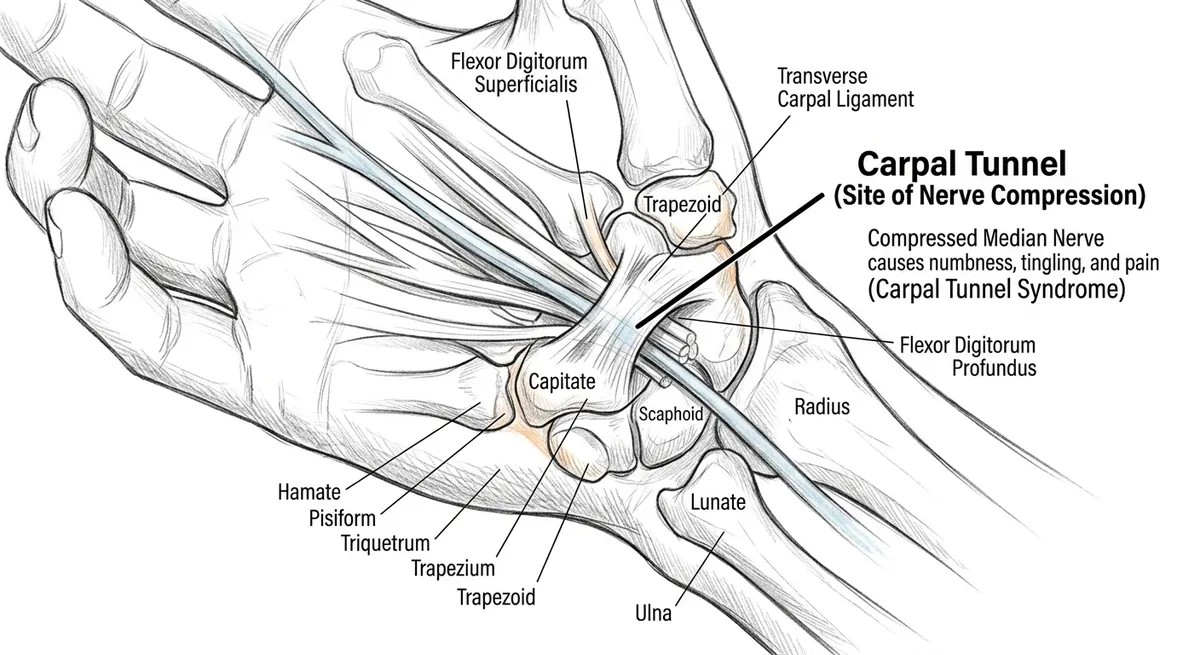
Carpal Tunnel Syndrome (CTS): If you are waking up with tingling, numbness, and pain in your hand, this might be the cause. It happens when the median nerve gets pinched or squeezed as it passes through your wrist.
Sprains and Strains: Did you catch yourself during a fall? Sudden twists or impacts can stretch or tear the ligaments and muscles supporting your wrist.
Arthritis: Whether it's everyday wear-and-tear (Osteoarthritis) or an autoimmune response (Rheumatoid Arthritis), joint inflammation can cause significant stiffness, swelling, and deep aching.
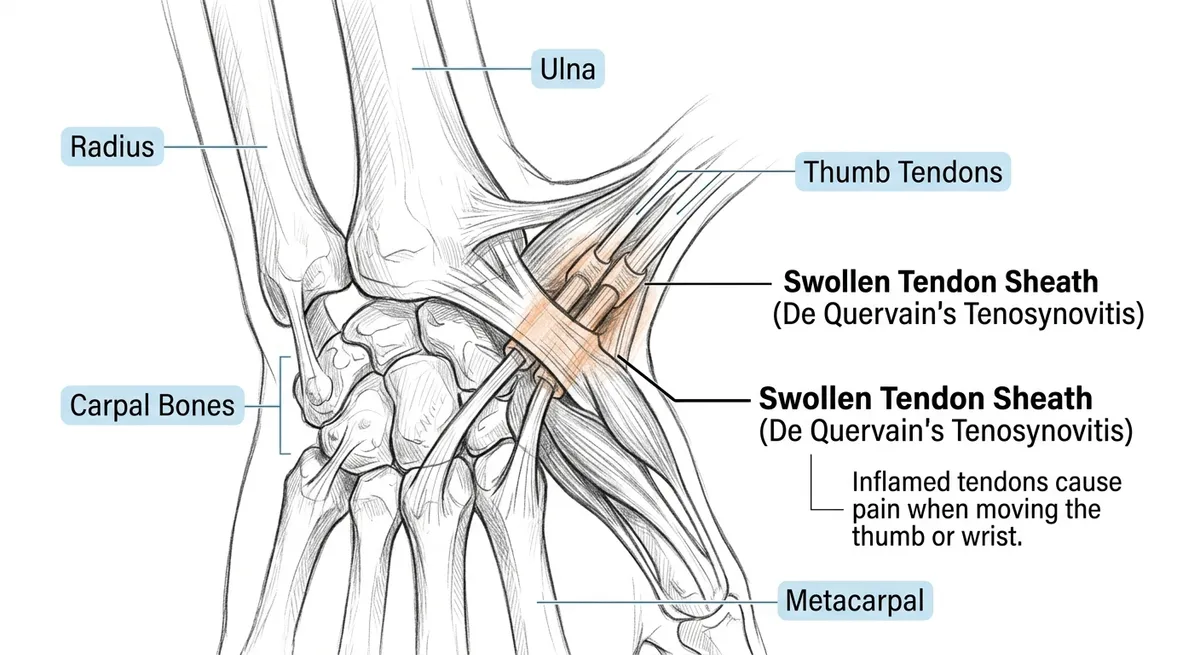
Thumb and Wrist Tendinitis (De Quervain's): Frequently triggered by gripping, lifting (especially new parents lifting babies), or repetitive hand use, this causes sharp pain at the base of your thumb.
Ganglion Cysts: Have you noticed a small, soft lump on your wrist? These harmless, fluid-filled cysts can form along joints or tendons, sometimes pressing on nearby nerves and causing pain.
Underlying Medical Conditions: Sometimes, wrist pain is a side effect. Conditions like diabetes, thyroid issues, gout, or even fluid retention during pregnancy can manifest as nerve pressure in the wrist.
How to Treat and Control Wrist Pain
Resting an aching wrist is a great start, but what if the pain keeps coming back? True healing requires targeted action.
Treating wrist pain isn't a one size fits all process. Depending on exactly what is causing your discomfort, a tailored physiotherapy plan is your best path to recovery.

Targeted Care for Specific Conditions
For Repetitive Strain Injuries (RSI): We focus on changing the habits that cause the pain. Treatment includes hands-on soft tissue therapy to relieve tension, followed by gentle strengthening. We may also use taping for support or laser therapy to calm the inflammation.
For Carpal Tunnel Syndrome: Physical therapy is vital here. We focus on gentle "nerve gliding" movements to help the trapped nerve move freely. Treatment also includes wearing a splint to ease swelling, applying hot or cold compresses, and specific stretching exercises to open up the wrist space.
For Tendinitis (De Quervain's): Resting the area is key. We often recommend a thumb splint and ice packs, slowly progressing into specific strengthening exercises to rebuild the grip without pain.
For Sprains and Strains: In the early stages, it's all about the RICE method (Rest, Ice, Compression, Elevation). Once the initial healing begins, we introduce progressive stability exercises to make the joint strong again.
For Arthritis: The goal is to keep you moving comfortably. We use gentle joint movements and heat therapy for pain relief, combined with exercises designed to maintain your flexibility.
Your Next Steps to a Pain-Free Wrist
Ignoring a nagging ache won't make it disappear, but taking the right steps today can help you get your grip back.
Wrist pain might be a common struggle, but it does not have to become a permanent part of your routine. Whether your discomfort stems from the repetitive strain of daily office work, a sudden twist, or nerve pressure like carpal tunnel, the key to relief is identifying the root cause and addressing it early.
By modifying how you use your hands, optimizing your daily environment, and following a targeted physiotherapy plan, you can heal the underlying issue rather than just masking the symptoms. Start paying attention to your hand movements, take regular breaks, and introduce simple, gentle stretches into your day.

If the pain persists, consulting a physiotherapy professional will give you the clear, hands on guidance you need to rebuild your strength, protect your joints, and get back to moving freely.